
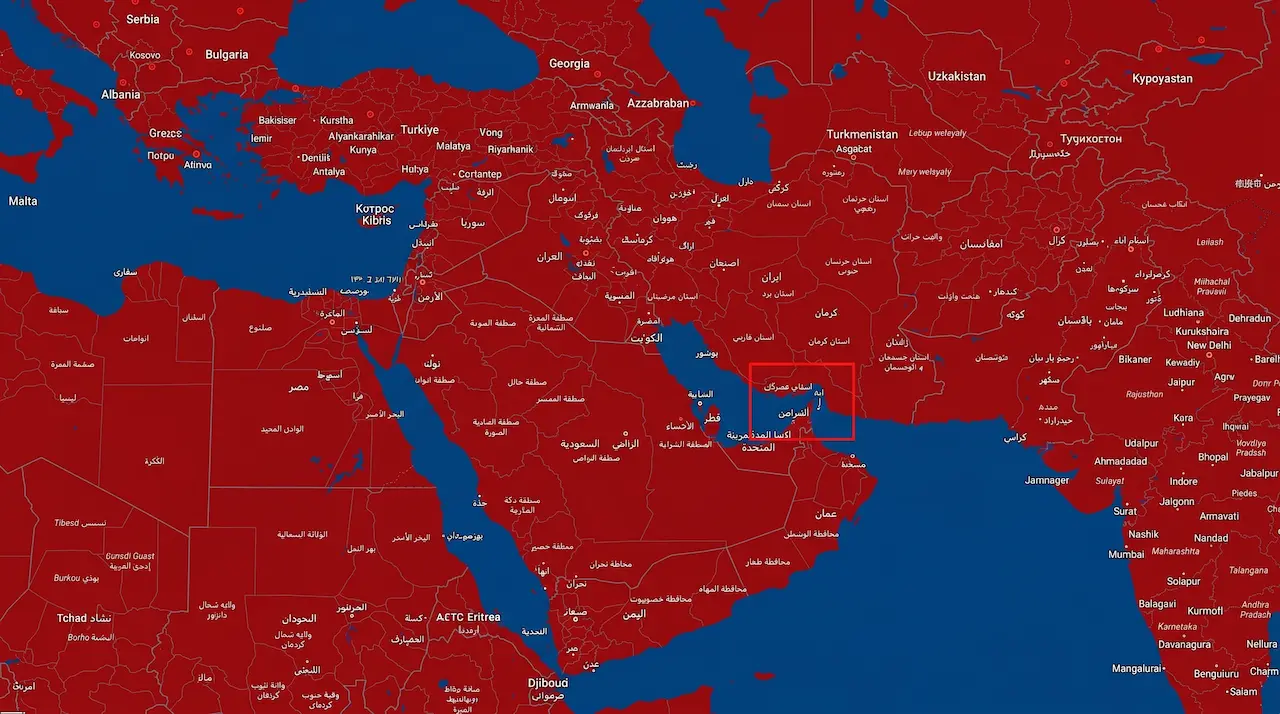
Oil prices are doing the cha-cha toward $100 a barrel as Iranian gunboats and US warships play a very high-stakes game of maritime chicken in the Strait of Hormuz.
The global economy is holding its breath, which is awkward because breathing is generally considered essential. Meanwhile, drivers everywhere are quietly reconsidering that weekend road trip.
Brent futures climbed after Iran hinted at possible talks, then immediately remembered they were still mad. Markets, it turns out, have the emotional stability of a toddler denied candy.
Iranian gunboats fired on cargo ships near the world’s most important oil shortcut. The Strait of Hormuz, which normally handles one-fifth of global crude, is now experiencing what experts call “a bit of a situation.”
President Trump extended a ceasefire while maintaining a blockade, a diplomatic maneuver roughly equivalent to saying “we’re not fighting” while standing in someone’s doorway. He later posted on Truth Social that lifting the blockade would mean “no Deal” unless, you know, extreme measures were taken.
Iran responded with the diplomatic finesse of a locked gate, vowing to break the blockade by force if necessary. The US, not to be outdone, has now boarded, seized, or turned away 28 vessels, because counting is important.
Amid the chaos, at least two Iranian tankers slipped past the US fleet like teenagers avoiding chores, delivering roughly 9 million barrels to market. Analysts note that as long as the strait stays restricted, prices stay supported, which is economist-speak for “this is expensive.”
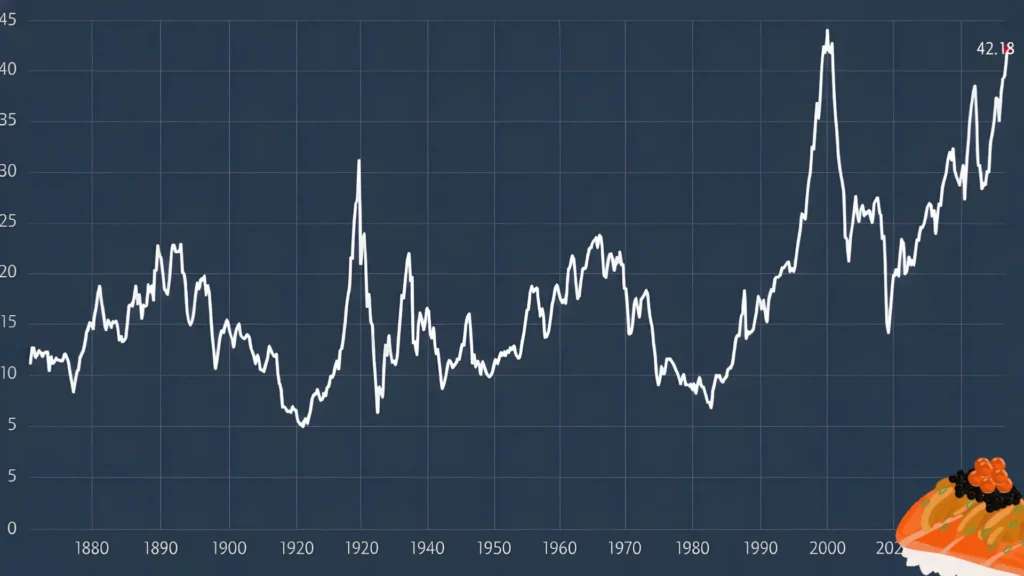
Volatility has hit its highest since 2020, when the pandemic taught us all the meaning of uncertainty. The only thing more unpredictable than oil prices right now is whether your commute will cost you a small fortune.





Leave a Reply