
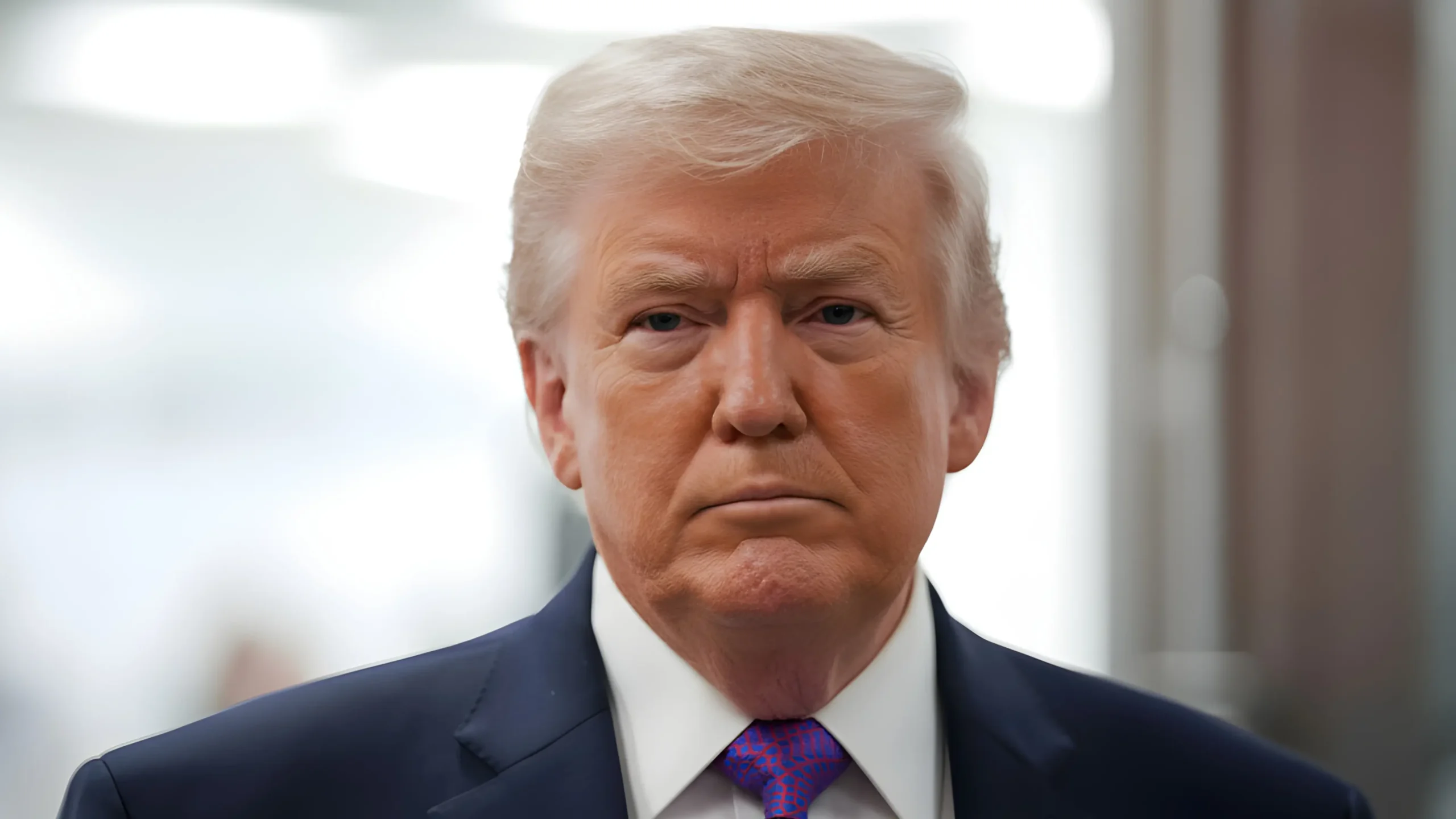
President Donald Trump has labeled NATO a “paper tiger” and urged Europe to muster “delayed courage,” sail into the Strait of Hormuz, and simply take it—right as the US and Israel wrap up military action in Iran. The blunt remarks, paired with fresh threats toward Greenland, have left traditional allies wondering if America’s long-term commitments are written in disappearing ink.
Europe, far more dependent on Persian Gulf energy than the US, now finds itself politely advised to handle its own oil lifeline while Washington focuses elsewhere. The timing couldn’t be more awkward: just as tensions simmer down with Iran, cracks in the transatlantic partnership appear wider than the Strait itself.
Experts say the vibe shift could quietly tilt the global balance toward China, the world’s second-largest economy, which has been watching these family squabbles with keen interest. Beijing, after all, prefers partners who question whether Uncle Sam will still show up when the going gets tough.
In the South China Sea, Chinese vessels—including what looked suspiciously like a navy or coast guard ship—have moved to tighten control around the disputed Scarborough Shoal, blocking Philippine access with floating barriers and fishing boats strategically parked like unwelcome guests at a neighborhood barbecue. Philippine fishermen aren’t amused, and experts warn further pushing could turn a maritime standoff into something sparkier.
The US posture, increasingly described as “withdrawn” on international commitments, creates exactly the kind of opening geopolitical watchers had flagged. China may not rush into dramatic moves over Taiwan tomorrow, but the optics of American distraction give Beijing room to press advantages across the Indo-Pacific and beyond.
Trump’s comments landed amid ongoing fallout from the Iran campaign, where Europe largely sat out direct involvement. His suggestion that allies “go to the Strait and just TAKE IT” landed with all the subtlety of a diplomatic whoopee cushion.
Meanwhile, threats to reassess NATO ties and revisit Greenland—strategic real estate that Denmark, a NATO member, isn’t eager to hand over—have only amplified the jitters. One senior fellow at the Center for Strategic and International Studies noted that doubts about US reliability in Europe ripple straight into deterrence calculations in Asia.
The result? A potential slow-motion shift where America’s most important partners start hedging their bets. China seems content to let the awkward dinner conversation play out while its ships reposition in contested waters.







Leave a Reply