
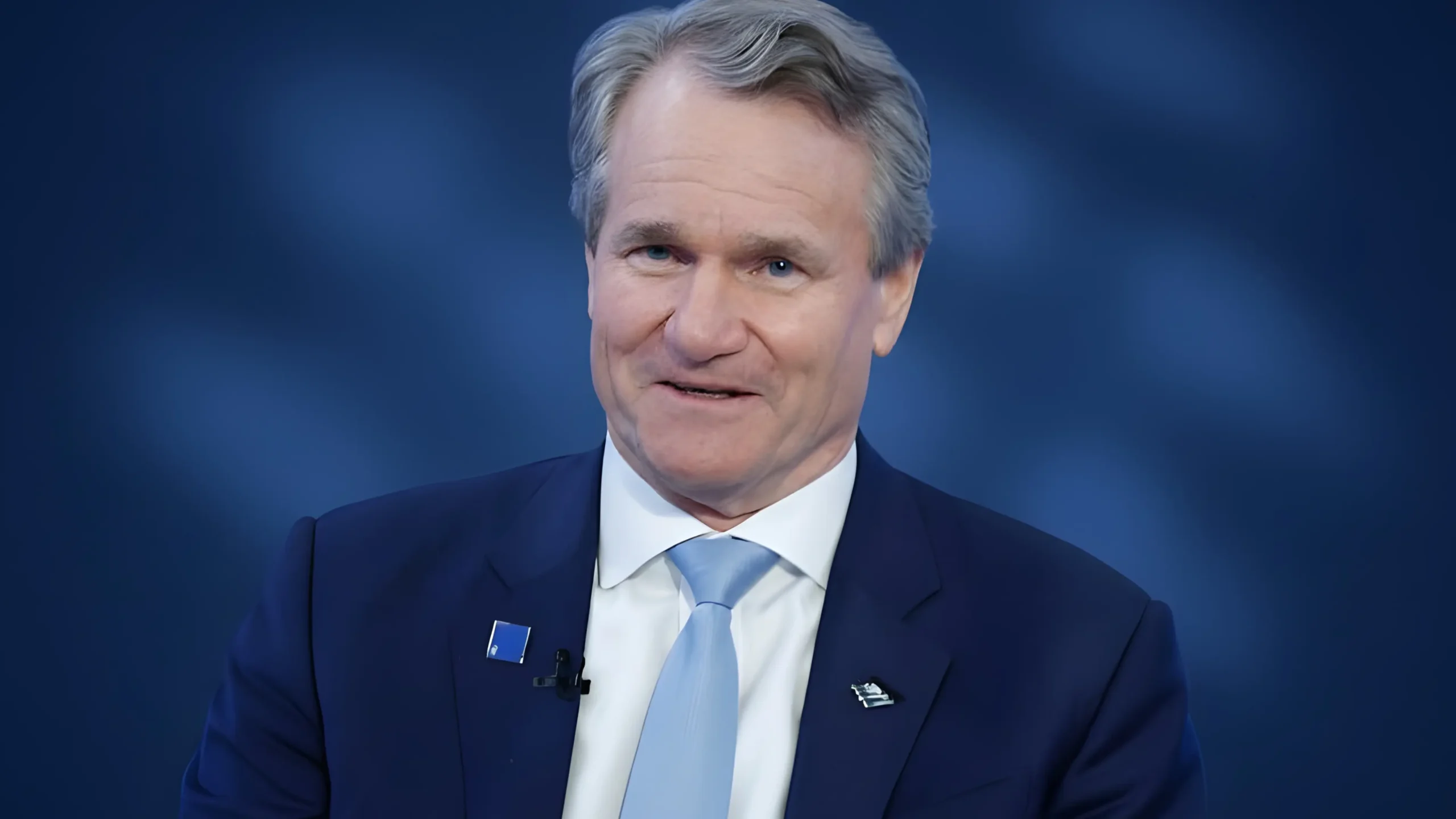
Bank of America stunned Wall Street on Wednesday by turning market jitters into a tidy $8.6 billion profit, proving once again that when life gives big banks lemons, they somehow blend them into a high-margin margarita.
The nation’s second-largest lender posted a 17% jump in earnings to $1.11 per share, comfortably beating analysts’ $1.01 forecast. Net revenue climbed 7% to $30.3 billion, as investment banking and trading desks had what can only be described as a very good quarter.
Wall Street activity apparently loves a little drama. Investment banking fees hit $1.8 billion, helped by a whopping 45% surge in merger-and-acquisition advisory work. Equity trading revenue set a quarterly record, while total sales and trading climbed to $6.4 billion. Fixed-income trading, however, showed up fashionably late and slightly underdressed, rising only modestly.
CEO Brian Moynihan struck a statesmanlike tone, praising “healthy client activity,” “solid consumer spending,” and a “resilient American economy.” He added the obligatory banker disclaimer: “We remain watchful of evolving risks.” Translation: things look good, but please don’t ask about next quarter.
On Main Street, Americans kept swiping cards like there was no tomorrow. Combined debit and credit card spending rose 7%, while credit card delinquencies actually dipped to 1.30%. The bank even took fewer charge-offs, largely thanks to the mysterious forces of “credit card seasonality” — also known as people paying bills after the holidays.
The four biggest U.S. banks together racked up $36.12 billion in profits, also up 17% from last year. Trading desks, it turns out, treat market volatility the way most of us treat free snacks: they lean in.
Yet not everything sparkled. The bank holds $20 billion in loans to the private credit industry, and fresh geopolitical headaches — including fresh conflict in Iran that sent energy prices jumping — have everyone side-eyeing risk exposures. CFO Alastair Borthwick noted the data still points to resilient consumers and industry, even amid geopolitics, rates, and credit worries.







Leave a Reply