
Wall Street’s Torsten Sløk declared the U.S. economy not just surviving, but flooring the gas pedal toward turbocharged growth. Forget the chorus of slowdown sirens; Sløk, Apollo Global Management’s chief economist, insists the real story is one of relentless resilience, leaving forecasters to ponder their ninth straight month of batting zero.
Sløk didn’t mince words in his Wednesday client note, dubbing the profession’s track record a “mirror moment” of epic proportions. “The consensus has been wrong since January,” he wrote, as if economists had been betting on rain while America basked in eternal sunshine.
Second-quarter GDP clocked in at a blistering 3.8% annualized rate, shrugging off the Federal Reserve’s interest rate hikes like a toddler ignoring bedtime. The Atlanta Fed’s GDPNow model cheekily forecasts an even peppier 3.9% for the third quarter, proving that high rates are about as effective at curbing this economy as a speed bump on a rocket launch.
Many experts had banked on the “Liberation Day” market jitters from April—President Trump’s tariff tango—to finally trip up growth by now. Instead, consumers are spending like it’s confetti season, while businesses pour cash into AI dreams, energy grids, and that trendy “reshoring” vibe, turning factories into the new hot yoga studios.
Housing, that usual drama queen when rates rise, has oddly decided to play it cool in key markets, as if mortgage worries are so 2024. Sløk skipped the deep dive but zeroed in on softening job growth, attributing it to a dip in immigration rather than any economic hiccup—because apparently, the job market’s just taking a siesta, not a swan dive.
“The bottom line is that the U.S. economy remains remarkably resilient,” Sløk proclaimed, sounding like a proud parent at a kid’s unlikely marathon win. He waved off lingering tariff trauma from six months back, quipping that waiting for those “delayed negative effects” is like holding your breath for a plot twist that never arrives.
Enter Mike Wilson of Morgan Stanley, the strategist who’s been narrating this economic soap opera with his “rolling recession” theory for three years. Picture it: since 2022, recessionary woes have been pinballing through sectors like a tipsy uncle at a wedding, dodging the big GDP and unemployment spotlights while quietly crashing hiring parties and earnings barbecues.
Wilson insists the economy hit rock bottom last spring, right around Liberation Day’s tariff fireworks, with federal jobs holding steady until Elon Musk’s DOGE initiative swooped in like a caped crusader with a budget axe. Fast-forward to early September, and he’s rebranding the saga: from rolling recession to rolling recovery, like upgrading from economy class to first with extra legroom.
That transition? It’s blooming in a stock market that’s dancing the cha-cha, even as labor data plays hard-to-get. The latest ADP private payrolls report for September? A job-loss oopsie, with August revised into the red—three down months in four, worse than a bad hair day at a wind farm.
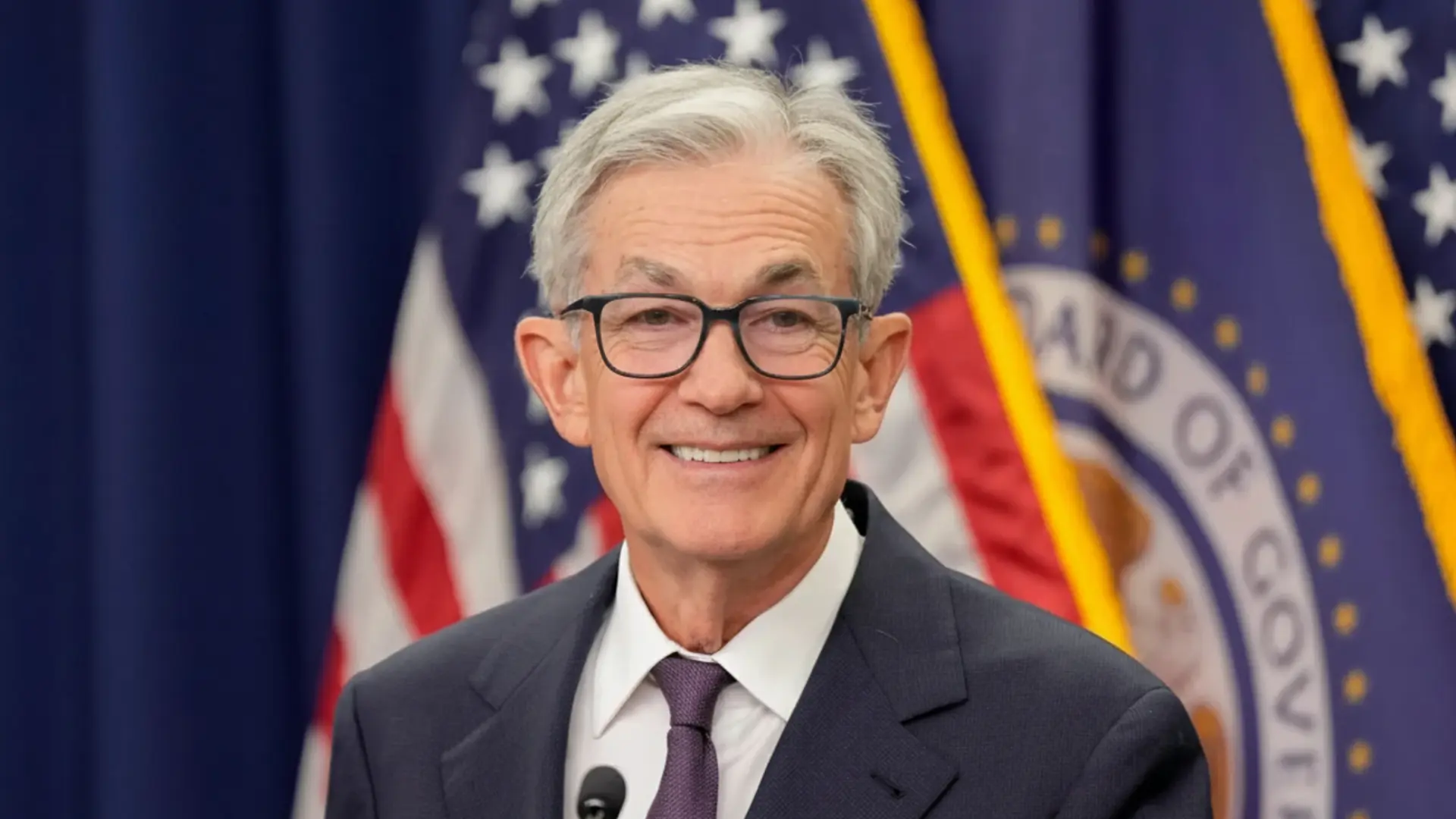
Bill Adams of Comerica Bank sighed to Fortune that ADP’s usually the understudy to Uncle Sam’s jobs report, but with the government shuttered for the third time under Trump—like a family feud that won’t quit—it’s stealing the spotlight. Federal Reserve Chair Jerome Powell called it a “low-hire, low-fire” scene last month, as if the workforce is on an eternal coffee break.
For investors, Sløk’s sunny diagnosis packs a punch: if growth’s revving up, inflation might crash the party uninvited. Core prices have cooled from 2022 fever dreams, but pair that with Fed rate trims, and poof—upside risks galore, like inviting a magician who pulls rabbits out of hats labeled “higher costs.”
The Fed’s September snip, its first in ages, screamed inflation-taming confidence, with markets betting on more slices ahead. Sløk, ever the contrarian, fired off 12 zesty data nuggets on Sept. 30—like booming Statue of Liberty selfies—to argue the economy’s “strong, and inflation is high,” then dared to call the upcoming jobs forecast of 50,000 adds “too pessimistic.”
Yet Sløk’s zinger supreme? It’s lobbed at his forecasting flock. By crying wolf on weakness month after month, economists have torched their own credibility faster than a viral meme. Time to trade those faulty models for a reality check—or at least a group therapy session with pie charts.
As the rolling recovery gathers steam amid shutdown static, one thing’s clear: America’s economy isn’t faltering; it’s flexing. Will the doomsayers finally join the parade, or keep marching to their own off-key tune? Stay tuned—because in this economy, the only sure bet is the surprise.






Leave a Reply