
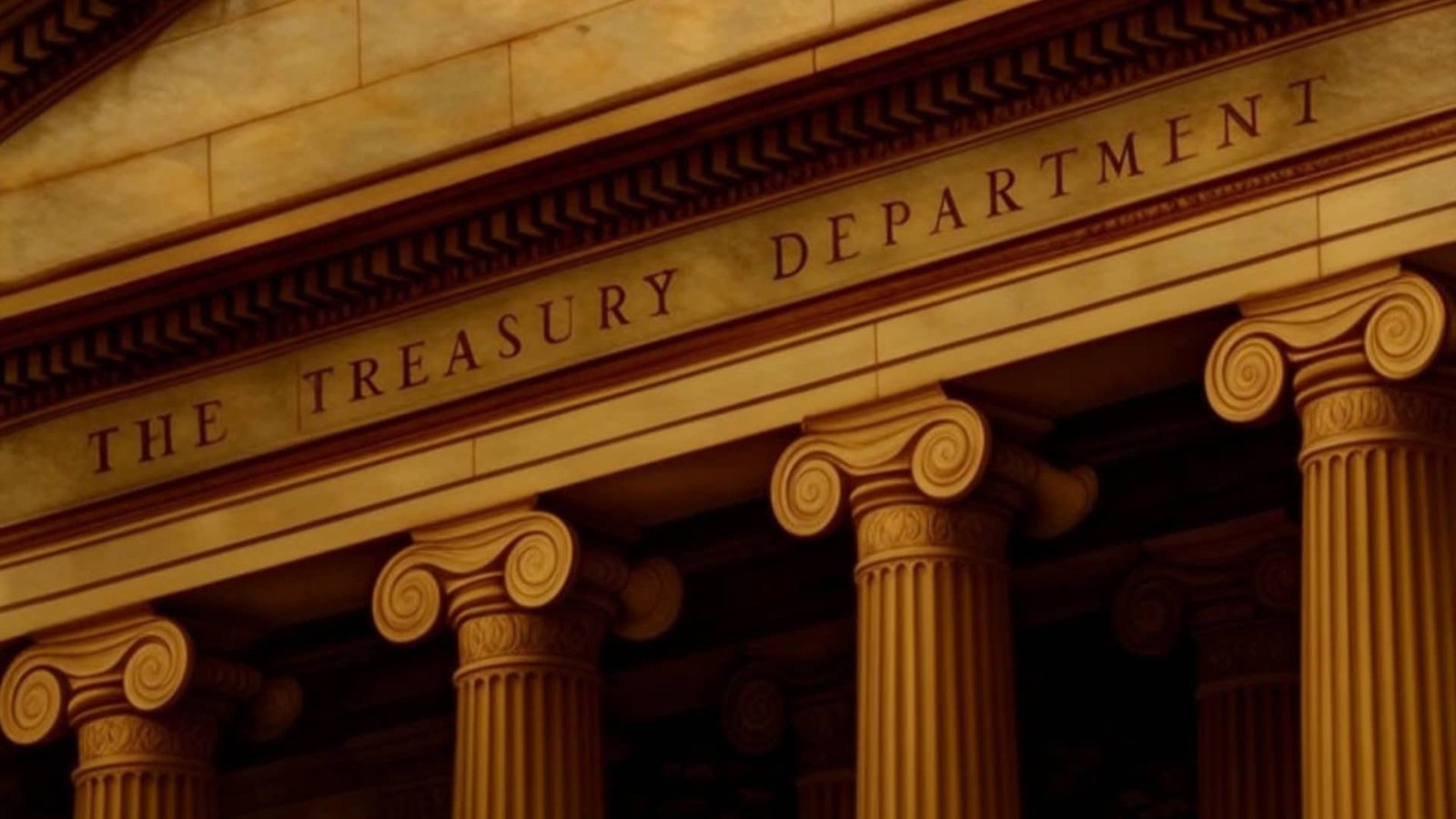
The U.S. government’s piggy bank took another hit in May, plunging deeper into a financial sitcom that’s short on laughs but heavy on zeros. The Treasury Department’s latest report shows a $316 billion deficit for the month, pushing the year-to-date total to a whopping $1.36 trillion. It’s the kind of number that makes your calculator sweat and your wallet cry.
This May’s deficit is 9% less than last year’s, which sounds like progress until you realize the annual tally is still 14% higher than 2024. Apparently, the government’s budget is on a diet that only cuts back on dessert, not the main course. Tax season’s April surplus was a brief cameo, now replaced by the usual plot twist: more spending than revenue.
The real star of this fiscal fiasco? Interest payments. With the national debt clocking in at $36.2 trillion, May’s interest tab hit $92 billion, outshining every expense except Medicare and Social Security. The Treasury expects debt financing to soar past $1.2 trillion this year, with $776 billion already spent in the first eight months.
Tax revenue tried to play the hero, climbing 15% in May and 6% year-over-year. But expenditures, up 2% monthly and 8% annually, are the overzealous sidekick who keeps ordering extra fries. The budget’s balancing act is less tightrope walk, more pratfall.
Tariffs, the government’s new favorite plot device, brought in $23 billion in May, up from a measly $6 billion last year. Year-to-date, customs duties have raked in $86 billion, a 59% jump from 2024. It’s as if the U.S. decided to tax every imported fidget spinner and avocado to fund a sequel nobody asked for.
Wall Street’s big names are sounding the alarm, and it’s not just because they’re tired of Zoom calls. Leaders from JPMorgan Chase, BlackRock, and Bridgewater Associates have warned that the deficit, now over 6% of GDP, could spark economic chaos. It’s like watching a financial horror movie where the monster is a spreadsheet.
The 10-year Treasury yield, hovering around 4.4%, refuses to take a bow. After dipping last summer, it spiked following April’s “liberation day” tariff announcement, shrugging off Federal Reserve rate cuts. Bonds are acting like that one friend who ignores good advice and buys another round.
The Congressional Budget Office projects the deficit could hit $1.9 trillion for fiscal year 2025, matching last year’s blockbuster shortfall. Meanwhile, the national debt is on track to break records, potentially reaching 118% of GDP by 2035. That’s a debt-to-economy ratio that could make even a Monopoly banker blush.
Tariffs might seem like a shiny new revenue toy, but economists aren’t sold. The IMF credits them for a slight deficit dip to 6.5% of GDP in 2025, but warns they’re unreliable. A future president could scrap them, or courts could toss them out, leaving the budget in a cliffhanger.
Interest costs are the gift that keeps on giving, projected to hit $1.8 trillion by 2035. They’ve already outpaced defense spending, which is no small feat in a country that loves its aircraft carriers. The Treasury’s juggling act includes borrowing $514 billion this quarter alone, with plans for $554 billion more by September.
The debt ceiling, that pesky plot device, looms large. Treasury Secretary Scott Bessent warned Congress to raise it by mid-July, or face an X Date between August and October when the government might not pay its bills. It’s the fiscal equivalent of forgetting your lines mid-scene.
Wall Street’s warnings are getting louder. A weak 20-year Treasury note auction in May sent 30-year bond yields to 5.1%, the highest since November 2023. The 10-year yield hit 4.61%, making mortgages and car loans pricier and giving investors a case of the jitters.
Moody’s, never one to miss a dramatic moment, downgraded the U.S. credit rating in May, citing the growing deficit burden. Bond prices tanked, and the S&P 500 dropped 1.6% in a single day. It’s a market tantrum that says, “We’re not buying your debt’s happy ending.”
The Treasury’s borrowing spree isn’t slowing down. With $815 billion planned for the first quarter and $123 billion for the second, the government’s credit card is getting a workout. Foreign investors, holding 34% of the debt, are starting to eye the exits, especially with trade tensions rising.
Economists suggest a rewrite: balance the budget, trim spending, or hike taxes. But Congress seems content to keep filming this fiscal flop without a script. The last surplus, in 2001, feels like a distant memory from a better season.
As the deficit grows, so does the risk. Higher interest rates could squeeze consumers, raise borrowing costs, and shrink investment portfolios. It’s a comedy of errors where the punchline might be a recession, and nobody’s laughing.










Leave a Reply to Markets Throw a Tantrum as Israel and Iran Play Missile Tag – moskara Cancel reply