
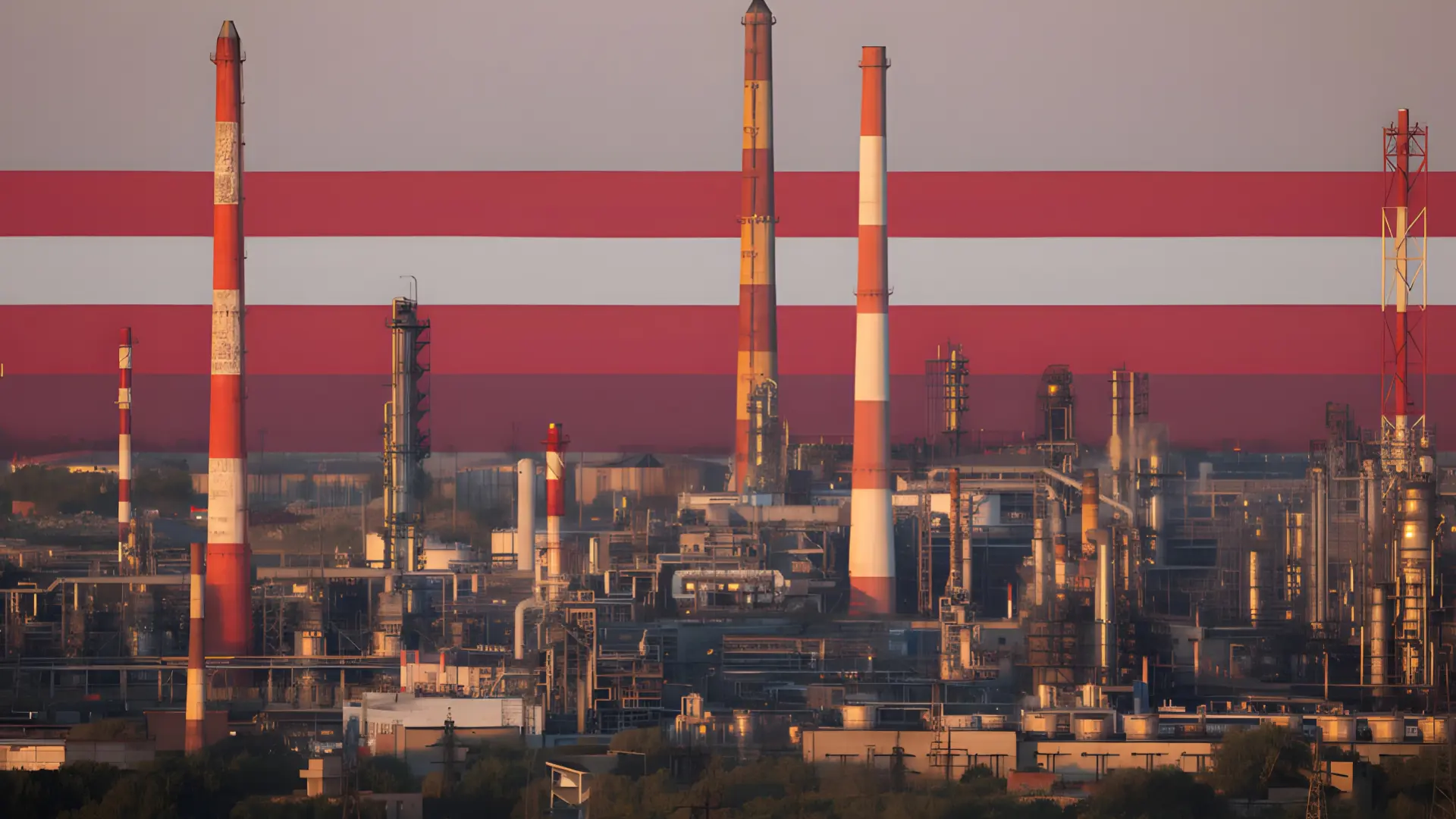
The Trump administration has let a temporary waiver easing sanctions on certain Russian crude sales quietly expire, even as the Iran conflict threatens to send global fuel prices into orbit.
Just when some buyers thought they had a brief breathing room, the limited waivers — which applied only to Russian oil already loaded on tankers — have reached their end date. First issued in March and renewed in April, these narrow exceptions allowed purchases that would normally be off-limits. Critics, particularly European allies, viewed the moves as handing Moscow an unexpected revenue snack while it funds its operations in Ukraine. The humor? Sanctions policy that feels less like a steel wall and more like a revolving door.
Yet the decision arrives at the worst possible moment for energy markets already sweating bullets. The Iran war and near-closure of the Strait of Hormuz have knocked millions of barrels off daily supply, creating what the International Energy Agency calls the biggest disruption in oil market history. Countries like India and Indonesia, heavily dependent on imports, had lobbied hard for an extension, hoping to avoid painful shortages. Their plea: when your tank is empty, you don’t ask about the seller’s politics.
Treasury Secretary Scott Bessent performed an impressive policy pirouette on the issue. Initially signaling no renewal, he reversed course days later after hearing from more than ten of the world’s most vulnerable, energy-poor nations. The goal, officials said, was promoting stability in chaotic markets. Translation: sometimes geopolitics bends when the lights risk going out. A separate waiver for limited Iranian crude purchases also expired in April, adding another layer of “good luck, everyone” to the mix.
Oil traders are responding with their usual calm demeanor — panic buying and price spikes. Brent crude has surged, pushing up costs for gasoline, diesel, and pretty much anything that moves on wheels. The administration is fighting back with other tools: letting foreign vessels shuttle goods between U.S. ports through mid-August and temporarily easing some domestic fuel rules. It’s the bureaucratic equivalent of loosening your belt after a big meal while hoping the global energy heartburn passes.






Leave a Reply