
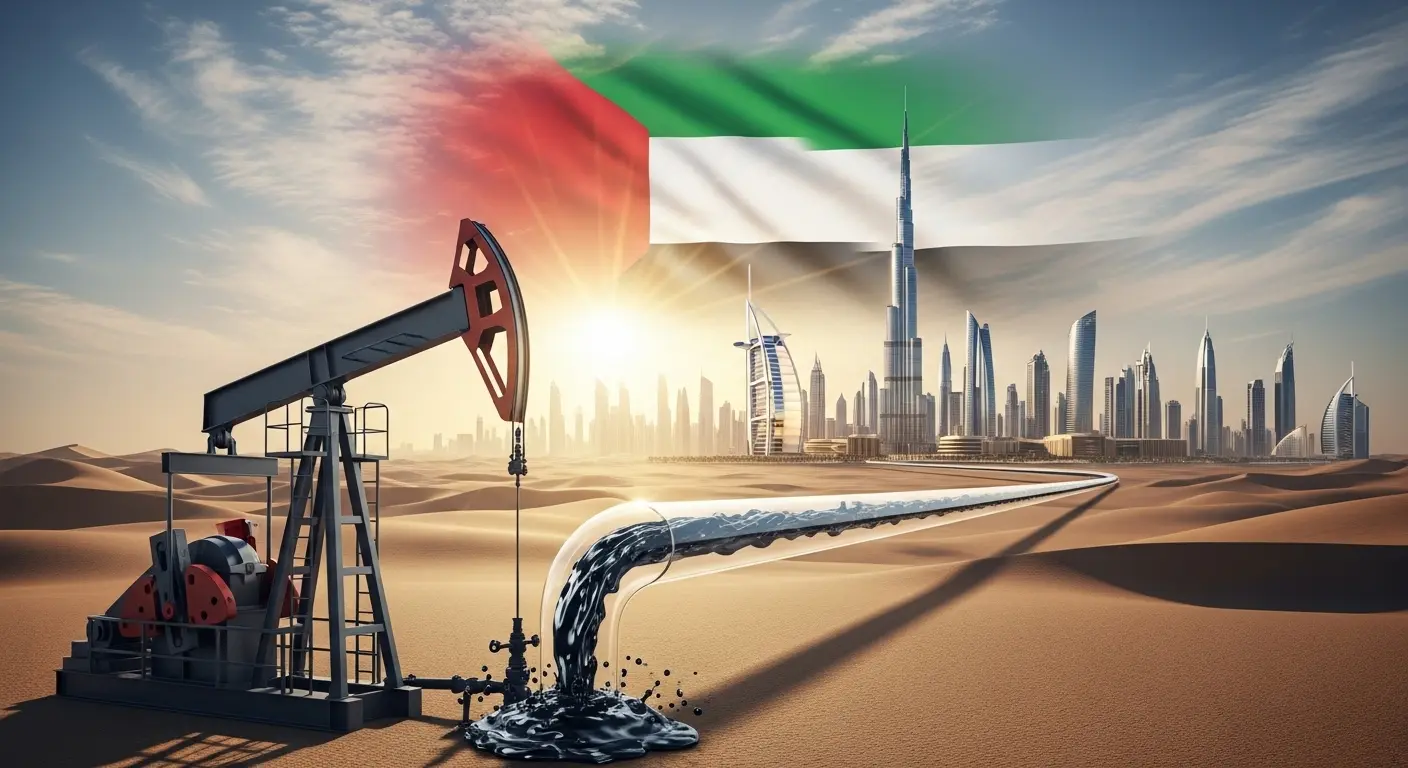
The United Arab Emirates just grabbed its coat, whispered “it’s not you, it’s me,” and walked out on OPEC, leaving Saudi Arabia to awkwardly pay the dinner bill.
Oil prices might eventually dip, delighting anyone who owns a gas-guzzling SUV and terrifying the accountants of desert nations. Gulf economies are now bracing for a financial rollercoaster where the safety bars are definitely loose.
Meanwhile, Washington is practically popping champagne, as the move perfectly aligns with US demands to crank the taps and flood the market. It seems you can indeed put a price on geopolitical friendship, and it currently trades at roughly 4.8 million barrels a day.
The UAE has spent years chafing under production quotas dictated by Riyadh like a teenager forced to share a family data plan. Being told to slow down when you have massive spare capacity is like owning a Ferrari but only being allowed to drive it in a school zone.
So, they cited a “long-term strategic vision” and kicked open the door.
Analysts are calling this a massive win for the White House, which has been begging regional producers to pump like there’s no tomorrow. Nothing says “strategic independence” quite like doing exactly what your largest non-Middle Eastern ally asked you to do.
Interestingly, the UAE claims this exodus is actually part of their master plan to ditch their “petro-state” image. They are leaving the oil cartel so they can focus on not being known for oil, by immediately producing as much oil as humanly possible.
Currently, a blocked Strait of Hormuz is acting as the world’s most inconvenient cork, keeping everyone’s output throttled anyway. But once that maritime traffic jam clears, the UAE plans to unleash a torrent of up to 4.5 million barrels per day.
Energy Minister Suhail Al Mazrouei insists they picked the absolute politest moment to drop this bomb. Nothing disrupts a group chat quite like a polite, well-timed resignation that leaves the remaining members wondering who’s next to bolt.




Leave a Reply