
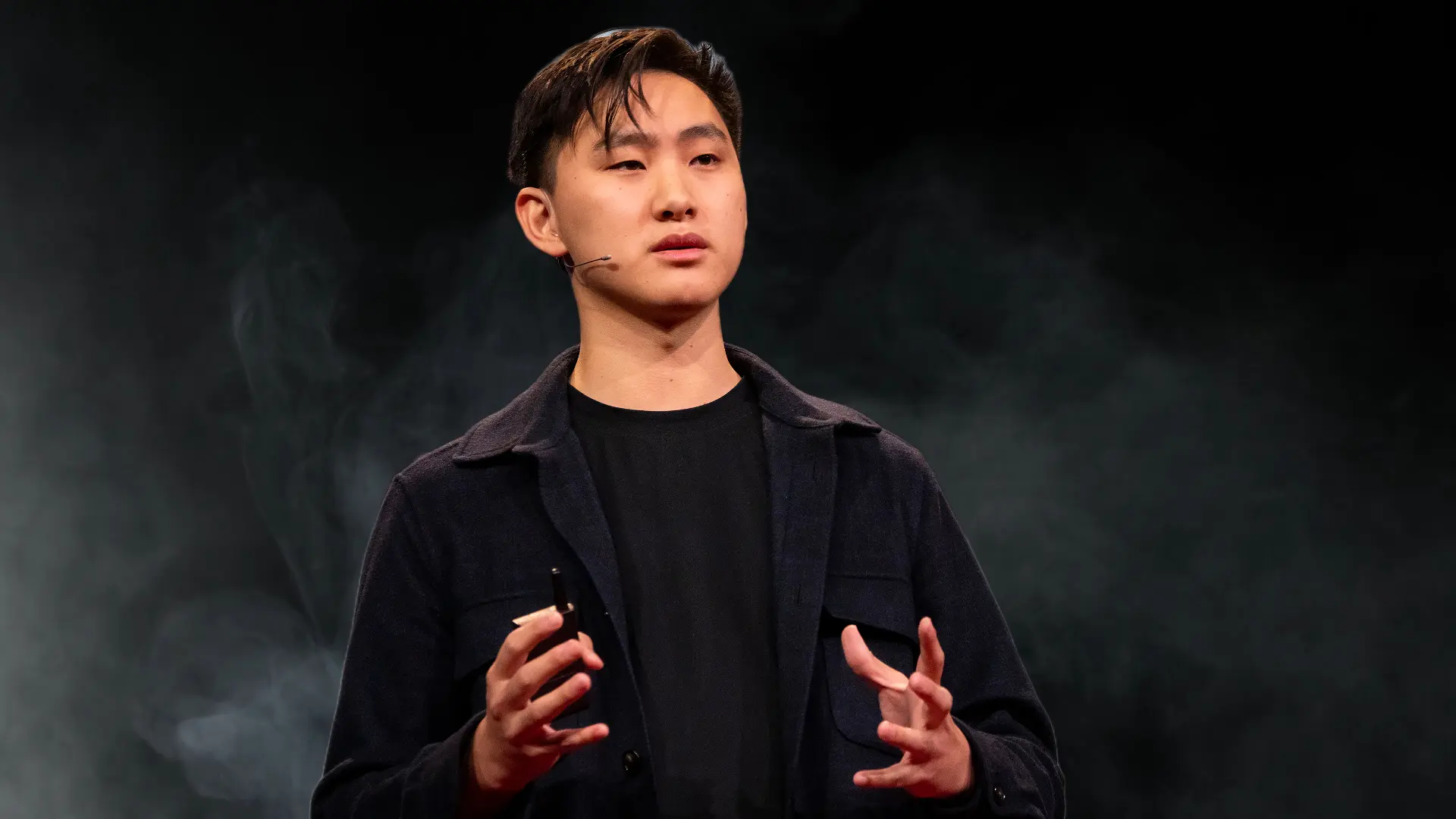
Meta’s CEO Mark Zuckerberg has unleashed a tech tornado, announcing the creation of Meta Superintelligence Labs (MSL) to herd all the company’s AI projects into one shiny new corral. He’s roped in Alexandr Wang as Meta’s first-ever Chief AI Officer. This move, revealed on Monday, has the tech world buzzing louder than a server room on overdrive.
Zuckerberg’s internal memo, snagged by Fortune, reads as if he’s planning to save humanity with AI that’s smarter than your average chatbot. He’s got big dreams of “personal superintelligence for everyone,” which sounds like he’s handing out brainy assistants at a digital candy store. The MSL will mash together Meta’s AI teams, including the fancy folks at FAIR and a new lab cooking up next-gen models.
Enter Alexandr Wang, the 28-year-old wunderkind who turned Scale AI into a data-labeling juggernaut. Meta shelled out a cool $14.3 billion for a 49% stake in Scale, basically buying Wang’s brain and a few of his pals. Wang’s now tasked with leading Meta’s charge toward AI that might outsmart your grandma at chess.
Joining Wang is Nat Friedman, ex-GitHub CEO and a Scale AI investor who probably knows Wang’s coffee order by heart. Friedman’s been cozying up to Meta’s advisory group for a year, so he’s not exactly lost in the codebase. He’ll focus on AI products and applied research, ensuring Meta’s AI doesn’t just sit around looking pretty.
Meta’s been on a hiring spree that makes a Black Friday sale look tame. They’ve poached eleven top researchers from OpenAI, Anthropic, and Google, with names like Trapit Bansal and Shuchao Bi, who sound like they could code a spaceship in their sleep. Rumors of $100 million compensation packages have tongues wagging, though Meta’s CTO swears those numbers are pure Silicon Valley gossip.
OpenAI, the folks who started the ChatGPT frenzy, are feeling the heat. Their chief research officer, Mark Chen, compared Meta’s talent grab to a home invasion, which is a bit dramatic but not entirely off-base. OpenAI’s now scrambling to keep their brain trust with “creative” retention packages, probably involving free snacks and stock options.
The drama doesn’t stop there. OpenAI’s cozy relationship with Microsoft, fueled by a $13 billion investment, is reportedly getting frostier than a data center’s cooling system. Meanwhile, OpenAI’s flirting with Google’s AI chips, hinting at a new tech bromance that could leave Microsoft out in the cold.
Zuckerberg’s not just throwing money at the problem; he’s practically hosting AI talent auditions at his Lake Tahoe and Palo Alto pads. Posts on X suggest he’s WhatsApping researchers like a teenager planning a house party. The goal? Build an AI that’s less “clippy” and more “conquer the universe.”
Meta’s AI journey hasn’t been all smooth sailing. Their Llama 4 model, released in April 2025, flopped harder than a bad sitcom, with critics calling out rushed releases and dodgy performance metrics. This MSL circus is Zuckerberg’s attempt to get back in the AI race before rivals like DeepSeek lap them.
The tech world’s watching Meta’s new lab with the intensity of a coder debugging at 3 a.m. Posts on X are hyping Wang as the “most dangerous person in tech,” which is a bit much, but the kid’s clearly got skills. His Scale AI was the backbone for training models like ChatGPT, so expectations are sky-high.
OpenAI’s Sam Altman isn’t sweating it, at least not publicly. He claimed on a podcast that Meta’s mega-offers didn’t snag his top talent, throwing shade while sipping his coffee. Still, with OpenAI planning a new AI model drop, Meta’s got to move fast or risk being left in the digital dust.
Meta’s also dodging regulatory speed bumps. Their Scale AI deal is structured to avoid antitrust scrutiny, a clever move given the FTC’s eagle eye on Big Tech. It’s less an acquisition and more a “let’s be besties” agreement, keeping regulators off their backs.
Zuckerberg’s betting big on superintelligence, a term that sounds like it belongs in a sci-fi flick. If MSL delivers, Meta could leapfrog competitors and make AI as common as cat videos on Facebook. If not, well, they’ve got a pricey new lab to show for it.
The AI arms race is heating up, and Meta’s swinging for the fences. With Wang and Friedman at the helm, plus a team of brainiacs from rival labs, MSL might just pull off something wild. Or at least give us a good show while trying.


Leave a Reply