
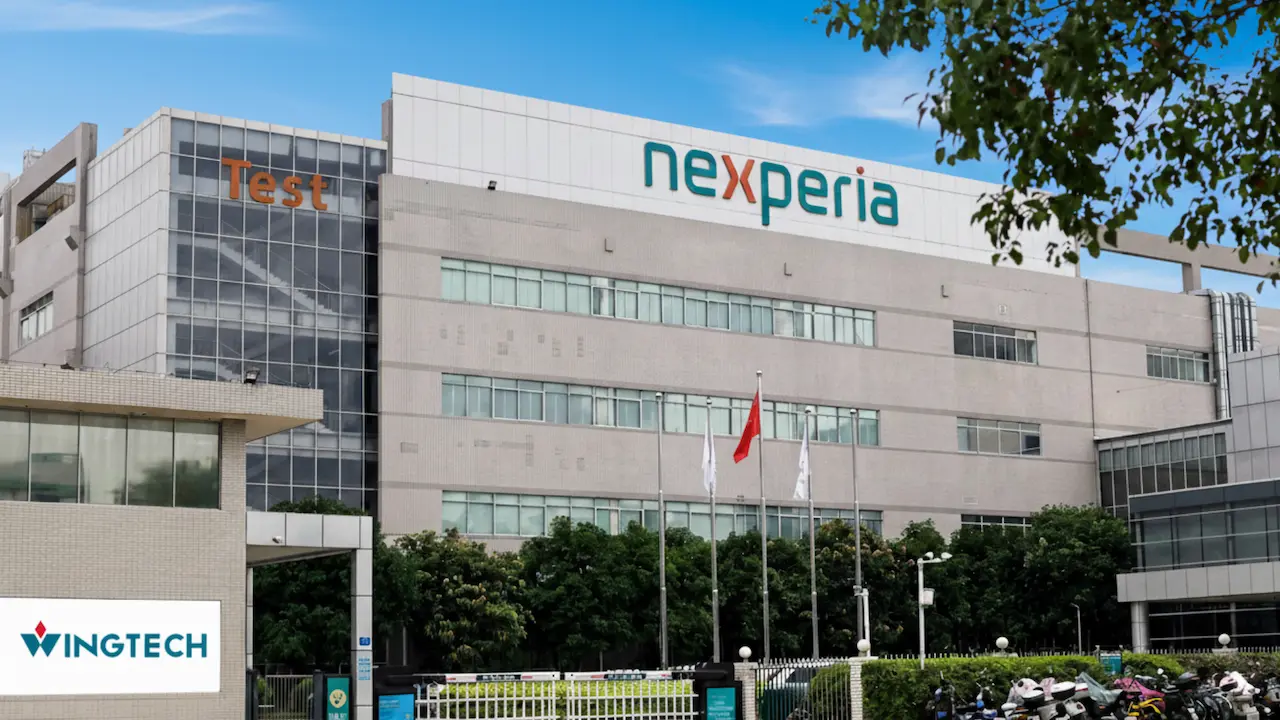
The Dutch government has temporarily suspended its dramatic takeover of Nexperia, the Netherlands-based chipmaker owned by China’s Wingtech—though it insists the original seizure order is still very much alive and sipping coffee in the corner.
Car manufacturers across Europe breathed a collective sigh of relief as chip shortages eased slightly, proving once again that nothing motivates international diplomacy quite like the threat of angry Germans unable to buy new Audis.
The saga began when Dutch authorities swooped in on September 30 like overprotective parents, seizing control of Nexperia to stop its former CEO from allegedly packing the entire operation into a shipping container bound for Shanghai.
Wingtech’s lawyers promptly filed an appeal describing the intervention as an “unprecedented deprivation of property,” which in diplomatic terms is roughly equivalent to shouting “That’s my toy!” on the global playground.
The company escalated its complaints on November 10, because apparently the first appeal was just the appetizer.
Meanwhile, Economy Minister Vincent Karremans had quietly urged a court to move with the urgency usually reserved for pizza delivery, terrified that Nexperia’s cutting-edge European operations might wake up one morning speaking Mandarin.
The court obliged in October by firing ex-CEO and Wingtech founder Zhang Xuezheng for mismanagement—news that presumably made for an awkward company WeChat group that week.
Beijing, never one to miss a chance for moral high ground, declared the Dutch suspension “insufficient” and demanded a full rollback, preferably with an apology card and maybe some stroopwafels.
Wingtech also wants the Netherlands to drop its separate court case entirely, essentially asking the government to both give back the keys and pretend it never borrowed the car in the first place.
Sources close to the matter report that constructive talks between The Hague and Beijing involved a lot of polite nodding and at least one awkward pause when someone mentioned export controls.
Industry analysts note that European carmakers, long starved of chips, suddenly found themselves with just enough supply to remember what a functioning assembly line feels like—before being warned supplies could vanish again if the adults can’t agree on custody arrangements.
The Dutch government insists its original order remains necessary to safeguard sensitive technology, proving that in the semiconductor world, “break glass in case of emergency” now includes actual government takeovers.
For now, Nexperia continues operating under a cloud of suspended intervention, like a teenager whose parents took away the car keys but haven’t quite decided whether grounding is permanent.
Both sides claim to want stability. Both sides also appear to be practicing their best poker faces while holding cards printed in languages the other side can’t quite read.
As the appeal process grinds forward at the speed only European bureaucracy can achieve, one thing is clear: in the great chip chess game, nobody wants to be the pawn sacrificed for a slightly better parking spot in the global supply chain.







Leave a Reply