
NEW YORK – Wall Street’s top oil forecasters delivered a unified holiday message Friday: Santa isn’t bringing higher crude prices anytime soon. In fact, he appears to be bringing the opposite in bulk.
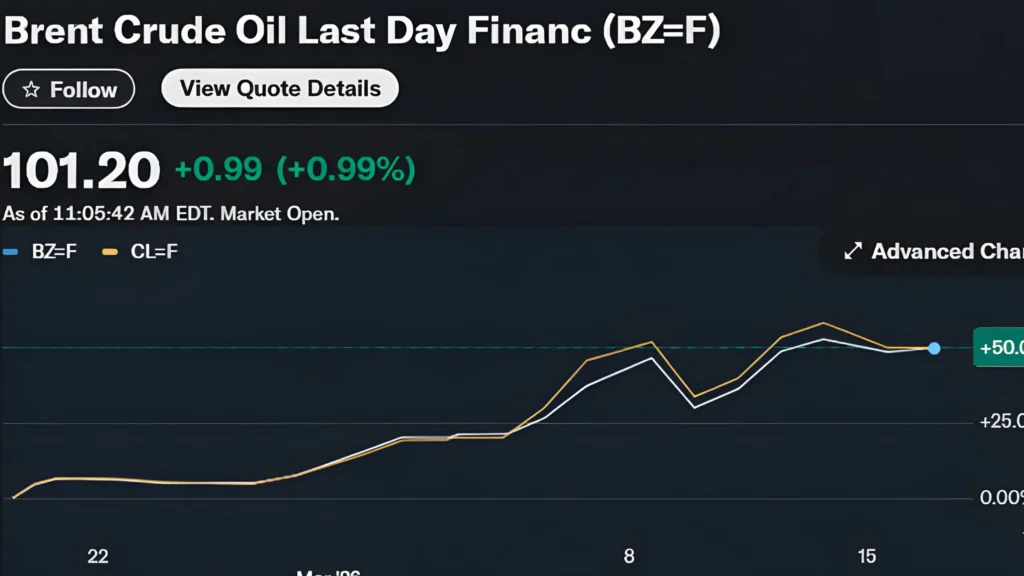
After a 20% slide this year that already has traders checking their retirement accounts twice, JPMorgan, Goldman Sachs, and Macquarie all published outlooks suggesting Brent crude could sink toward the mid-$50s by 2026, with some scenarios flirting with the $30s by 2027 if no one blinks first.
Airlines and shipping companies quietly opened champagne they had been saving since 2022. Meanwhile, the average SUV owner began planning a statue in honor of Natasha Kaneva, JPMorgan’s head of commodities strategy, for services to oversized vehicles everywhere.
Oil executives, however, were seen updating LinkedIn profiles with subtle phrases like “open to new opportunities” and “passionate about renewable transitions.”
JPMorgan’s team, clearly tired of being the bearer of identical bad news since June 2023, wrote that they were “at the risk of flogging a very dead horse.” The horse, readers assume, is now thoroughly tenderized.
Their base case sends Brent to $58 in 2026 and another dollar lower in 2027. Goldman Sachs went slightly more pessimistic for next year, penciling in $56 Brent and $52 WTI, before allowing prices a dramatic comeback to $80 by 2028, presumably after everyone has panic-sold.
Both banks agree the villain is simple: too much oil chasing too few gas tanks.
OPEC+ has been unwinding production cuts faster than a teenager unwinds holiday lights in January, adding over 2 million barrels per day since April. American frackers, never ones to leave money on the table, are on track for record output in December.
China, the usual sponge for excess barrels, spent the first half of 2025 stuffing tanks like a squirrel preparing for nuclear winter. That trick is running out of storage space.
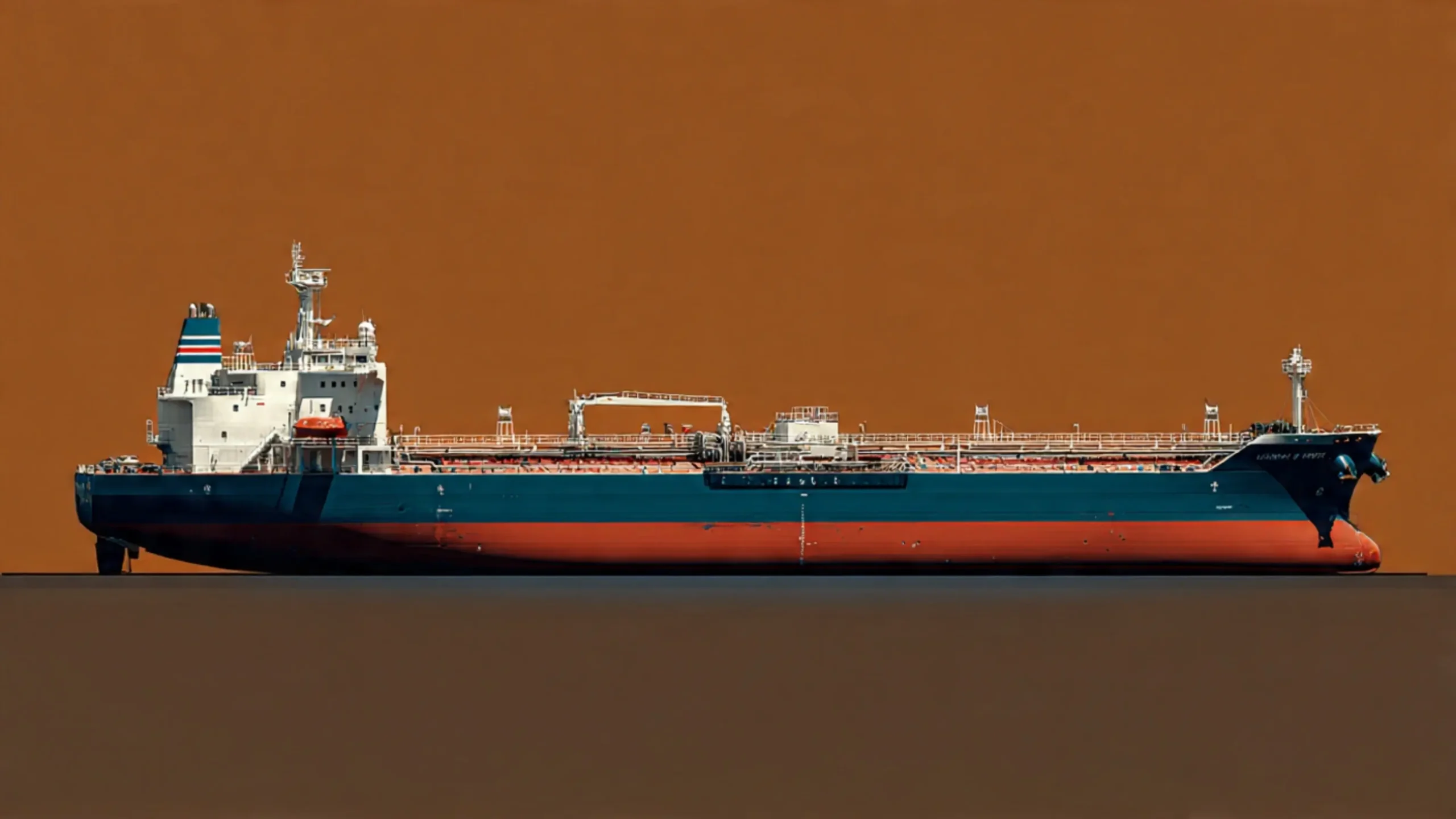
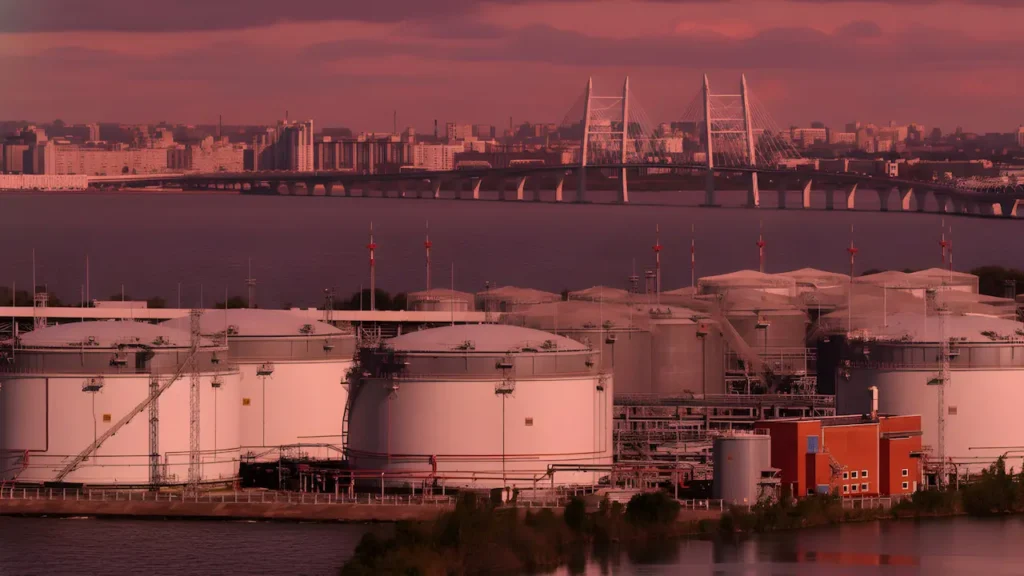
Over one billion barrels now float aimlessly on tankers at sea, an armada so large it has its own weather system. The International Energy Agency warned the coming glut could reach 4 million barrels per day in 2026, enough to fill roughly fifty Olympic swimming pools every hour.
Macquarie called the setup “punishing” and “extraordinary,” then delivered price targets that suggest oil traders may soon qualify for government heating assistance.
State oil companies in the Gulf still need profits to fund everything from skyscrapers to soccer clubs. US shale drillers break even around $43–$51. Somewhere between those numbers lies a price so low that even the most stubborn producer throws in the towel.
JPMorgan floated the nightmare scenario of $30s oil by 2027 if nothing changes, a level last seen when people were paying strangers on the internet to deliver a single roll of toilet paper.
Yet the banks remain oddly cheerful about the eventual outcome. They expect the market to self-correct long before prices turn apocalyptic, thanks to a magical combination of “voluntary and involuntary” production cuts. Translation: someone is going to run out of cash or storage and turn off the taps whether they like it or not.
Goldman Sachs even promised a happy ending by 2028, when maturing shale fields and years of under-investment finally remind everyone that oil doesn’t grow on trees. Or, more accurately, under them.
For now, the industry braces for what strategists politely call “price discovery” and what everyone else will call “please make it stop.”




Leave a Reply