
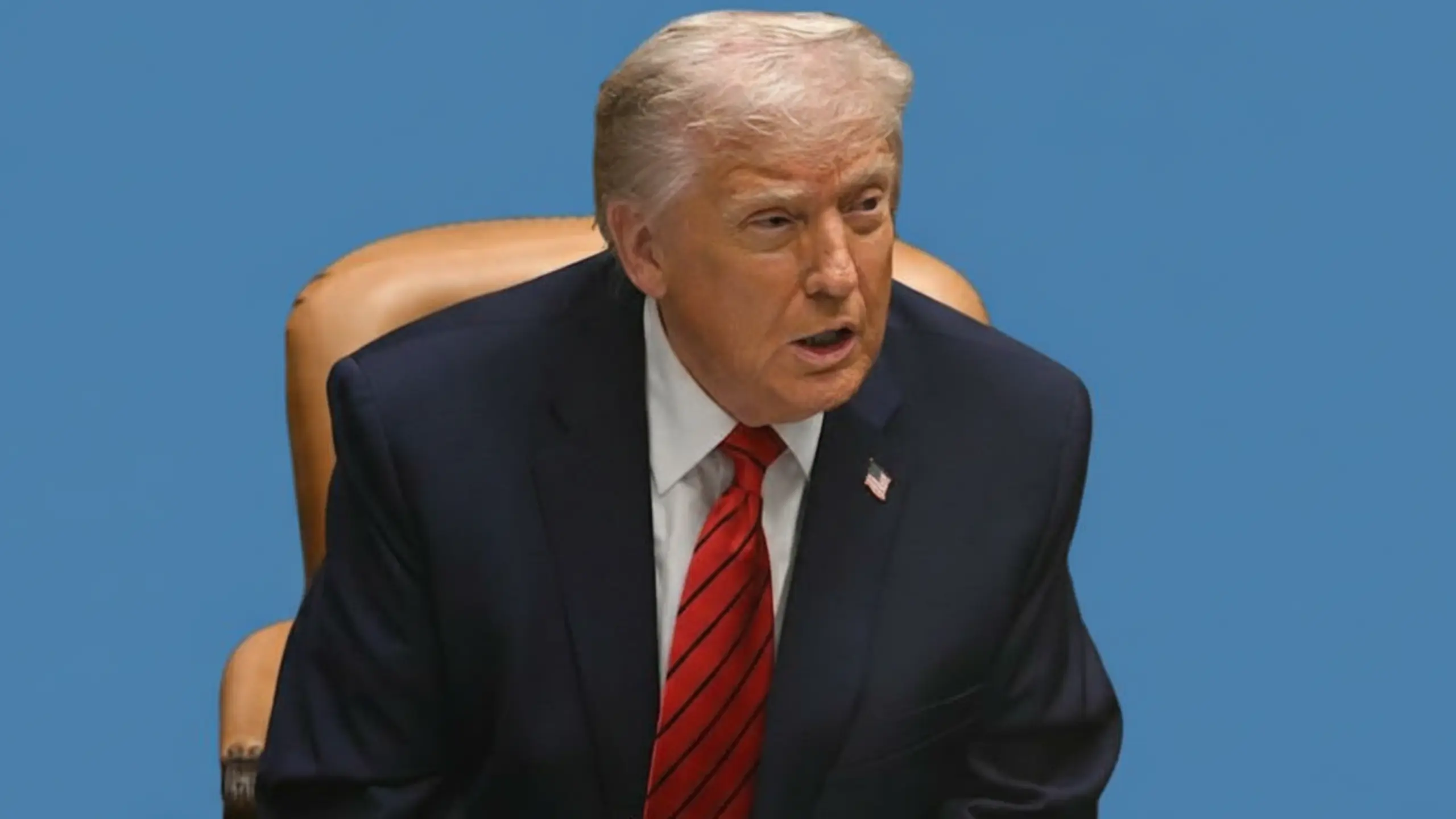
Washington, D.C. – U.S. tariff revenues fell last month for the first time since President Trump began treating global commerce like a giant toll booth.
The Treasury Department’s November figures, released Wednesday, showed customs duties collected dropped to $30.76 billion—down from October’s $31.35 billion—after the White House quietly decided that Americans should still be able to afford morning coffee and the occasional steak without taking out a second mortgage.
The dip ends a nine-month hot streak that saw monthly tariff hauls balloon from a modest $7.25 billion in February to October’s eye-watering $31.35 billion. Economists immediately declared the streak “impressive, in the same way watching someone juggle chainsaws is impressive—until the inevitable happens.”
White House officials insist the decline was intentional. On November 14, an executive order spared coffee, tea, beef, bananas, tropical fruit, and cocoa from duties, a rare moment of mercy that grocery shoppers greeted with the enthusiasm usually reserved for finding an extra fry at the bottom of the bag.
Despite the drop, November’s take remained nearly five times higher than the $6.71 billion collected in November 2024, back when tariffs were something that happened to other administrations.
The Congressional Budget Office, clearly tired of being the designated adult in the room, recently slashed its ten-year tariff revenue forecast by a cool trillion dollars. Sources say the revision came after someone finally did the math with a calculator instead of a Magic 8-Ball.
Year-to-date, tariff revenues have reached $236.16 billion with one month still to go—enough to make any budget hawk weep softly into their spreadsheet.
The federal deficit, meanwhile, clocked in at $173 billion for November alone, meaning tariffs covered roughly one-sixth of the monthly red ink. At this rate, balancing the budget solely with tariffs would require importing the entire economy of Belgium every week.
President Trump remains undeterred, continuing to describe tariff revenues in terms that make Treasury officials reach for the smelling salts. Recent promises include $2,000 “tariff dividend” checks, paying down the national debt, replacing income taxes, and now a $12 billion farmer bailout that he insists “would not be possible without tariffs.” Economists note that particular bailout would eat roughly half of everything collected so far this year.
The Committee for a Responsible Federal Budget calculated that one round of $2,000 checks would cost $600 billion—meaning the Treasury would need roughly two years of current tariff flows just to break even on a single campaign promise. Good luck explaining that timeline to voters expecting Christmas cash.
Adding another layer of suspense, the Supreme Court is currently weighing whether the 1977 International Emergency Economic Powers Act actually lets presidents slap tariffs on half the planet whenever they feel spicy. A ruling against the administration could wipe out more than half of current tariff revenue and force the unprecedented spectacle of the U.S. government mailing refund checks to foreign exporters.
Somewhere in Beijing, a factory owner is already picking out curtains for the yacht he might get back.




Leave a Reply