
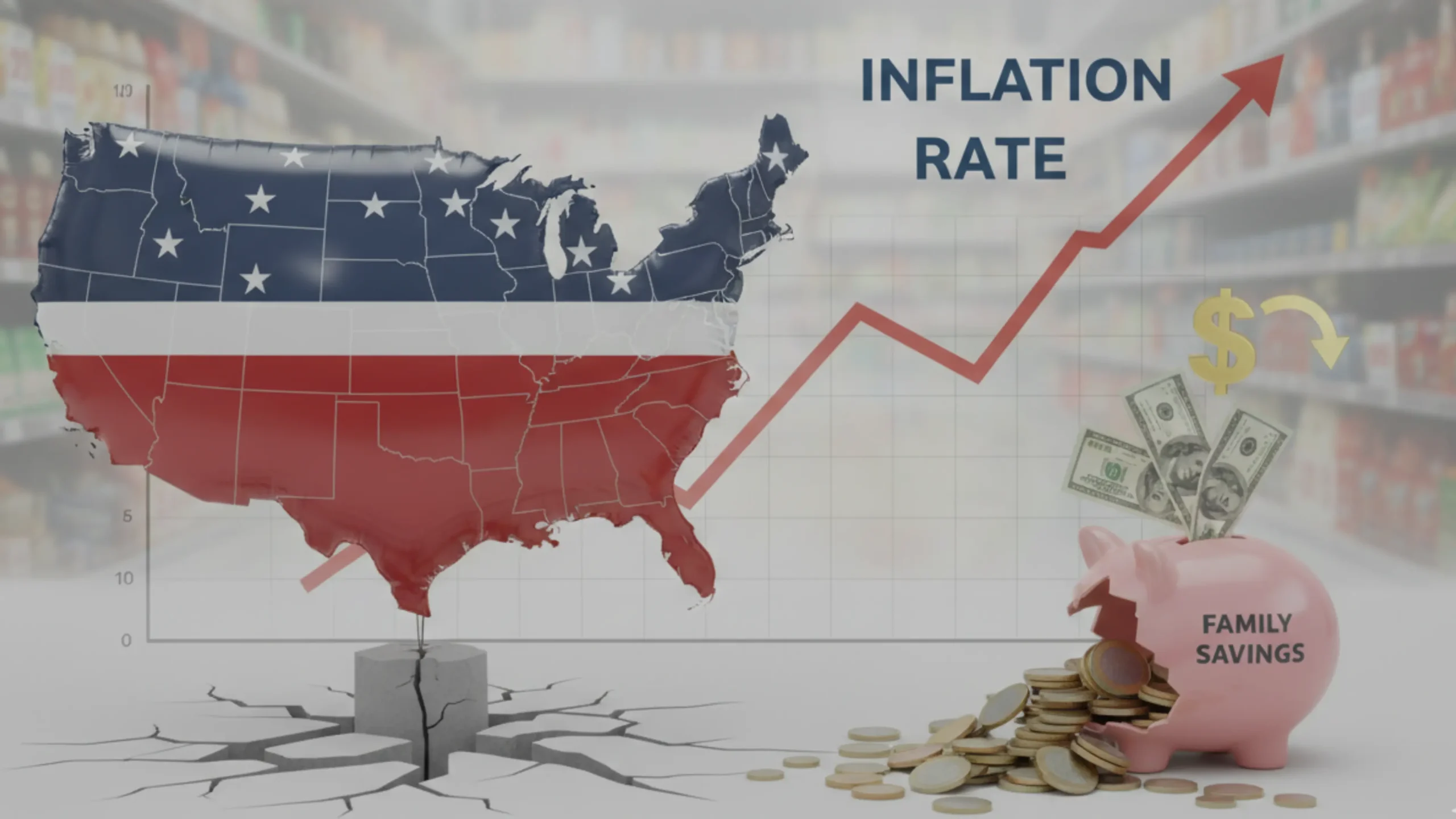
U.S. inflation cooled more than expected in November, with the Consumer Price Index rising just 2.7% over the prior year—comfortably below the 3.1% forecast. Core inflation, stripping out volatile food and energy costs, performed even better at 2.6%, delivering the slowest pace since early 2021.
This gentler-than-anticipated reading lands like an unexpected sale during the holiday season, giving the Federal Reserve additional comfort as it manages recent rate cuts aimed at supporting a softening labor market.
For consumers still recovering from years of sticker shock, it suggests prices might finally be loosening their grip, even if only modestly. The absence of October data due to the 43-day government shutdown adds a layer of caution, however, as analysts wonder if the full picture is as rosy as it appears. Meanwhile, muted tariff effects despite pre-holiday import surges spare importers—and ultimately shoppers—an extra pinch.
The Bureau of Labor Statistics unveiled its November CPI report on Thursday, marking the first inflation update since September’s 3% reading and skipping October entirely because of the government shutdown. Economists, guided by Bloomberg consensus, had prepared for 3.1% increases in both headline and core measures, only to find headline at 2.7% and core at a notably subdued 2.6%.
Without October figures, month-on-month comparisons were unavailable, leaving analysts to bridge a two-month gap in a single report. Data collection resumed mid-November, conveniently overlapping with early holiday promotions that may have helped temper the numbers.
Shelter costs, long a stubborn driver of inflation, displayed unusual restraint over the period, while energy prices edged higher, driven by electricity. Food price increases, by contrast, moderated, offering a small mercy to grocery budgets.
Fitch Ratings’ Olu Sonola described the results as broadly positive yet flagged the missing details as a reason for skepticism. Pantheon Macroeconomics’ Samuel Tombs viewed the data as consistent with core PCE inflation—preferred by the Fed—slowing toward 2.7%, making a rise to 3% by year-end seem unlikely.
The Federal Reserve, which targets 2% inflation via PCE, has already trimmed rates by 0.25% at each of its last three meetings of 2025. Current projections suggest only one additional cut in 2026, and this report keeps the odds of a January move low, with traders assigning roughly 25% probability.
Tariff passthrough remained quiet despite companies stockpiling holiday imports ahead of potential duties. The earlier November jobs report showed stronger-than-expected hiring but pushed unemployment to a four-year high, underscoring the Fed’s delicate balancing act.
With the December jobs report scheduled to return to its traditional Friday slot on January 9, 2026, the era of altered economic releases finally draws to a close. Black Friday bargains and the timing of data collection likely contributed to the tame outcome, while shelter’s flat performance stood out as particularly rare outside recessionary periods.






Leave a Reply