
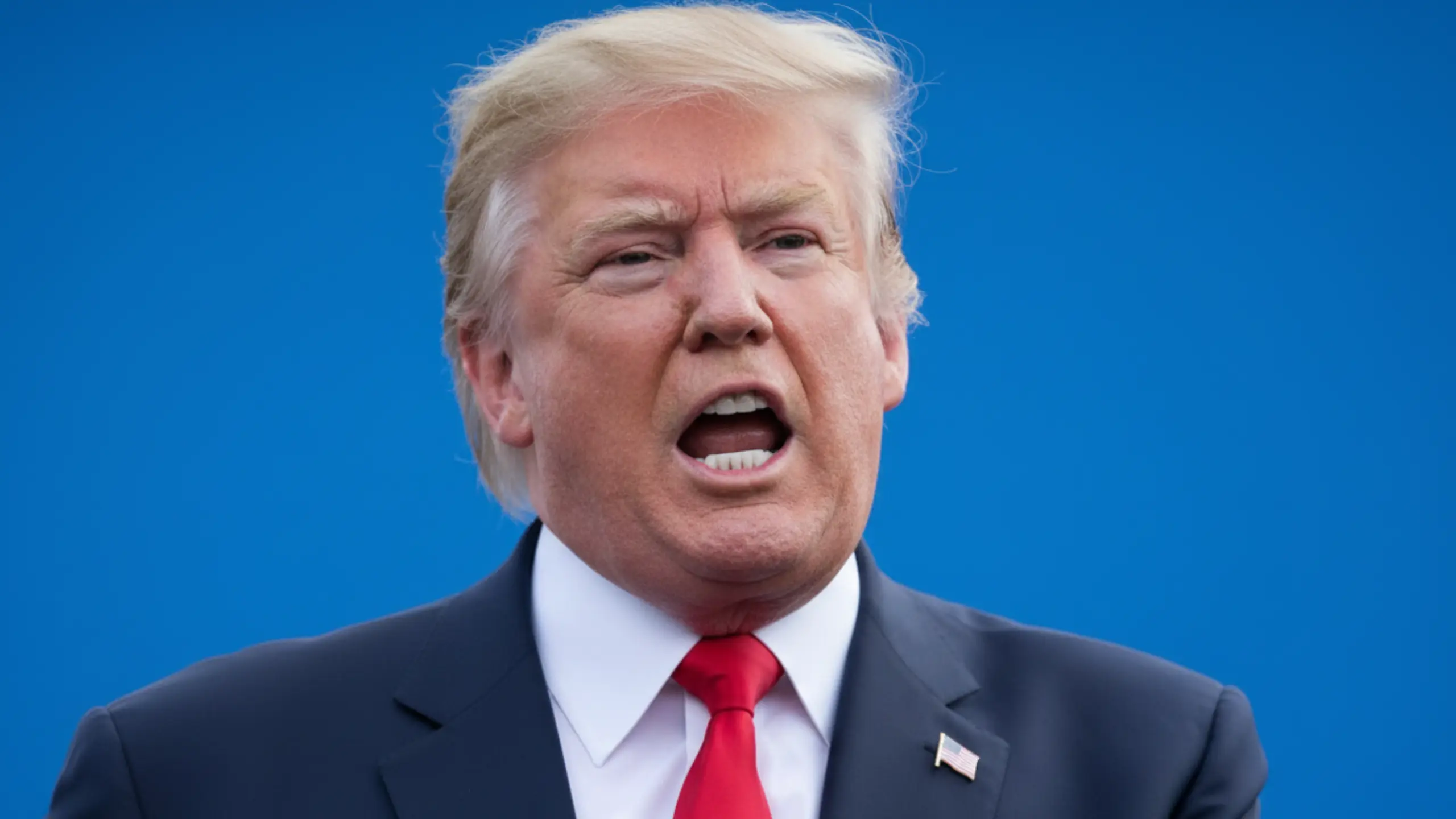
White House has declared victory over skyrocketing new-car prices by scrapping Biden-era fuel-efficiency rules—promising the average new vehicle will magically cost $1,000 less.
Meanwhile, the national average transaction price has officially blown past $50,000 for the first time ever, leaving many Americans wondering if that grand is coming out of thin air or just the exhaust pipe.
Dealers are already polishing their “limited-time savings” banners, while analysts are polishing their glasses to read the asterisk: the $1,000 drop isn’t because your favorite pickup suddenly went on a diet—it’s because fewer pricey electric vehicles will count toward the average.
In other words, the savings are less “cash in your pocket” and more “statistical sleight of hand,” the automotive equivalent of losing weight by cutting everyone taller than you out of the group photo.
Monthly payments, already flirting with rent-level absurdity at $748 on average, aren’t exactly celebrating either. One in five new-car buyers now owes a cool grand a month—roughly what it costs to lease a small apartment, except the apartment doesn’t need premium gas and won’t void the warranty if you parallel park badly.
Kelley Blue Book confirmed the grim milestone this week: the average new vehicle now stickers above $50,000, a whopping 25% jump from five years ago when $40,000 still felt painful.
Reddit’s car-buying forums read like support groups. One user reminisced about mom buying a loaded 4Runner on a teacher’s salary in the early 2000s and paying it off before the cassette player died. Today that same teacher would need a side hustle selling plasma and OnlyFans subscriptions.
Eighty percent of buyers finance, and the math is brutal. Interest rates refuse to come down from the penthouse suite—6.56% for new, 11.40% for used—and loan terms now stretch longer than a cross-country road trip with toddlers.
Edmunds reports buyers are putting less money down, borrowing more, and signing their lives away for 72–84 months just to keep the monthly hit under “second mortgage” territory.
Even keeping the old clunker running isn’t the bargain it used to be. Bureau of Labor Statistics says repair costs jumped 7.7% year-over-year, proving the cheapest car is the one you already own—until the transmission decides to retire to Florida without you.
The White House insists relaxing fuel-economy rules will deliver that crisp $1,000 bill straight to your wallet. S&P Global gently rained on the parade, explaining the price drop comes from fewer EVs skewing the average, not from any gas guzzler suddenly discovering humility.
President Trump brushed off the entire affordability conversation as a “hoax” and a “con job,” which must be comforting to the families choosing between groceries and spark plugs.
Complicating the victory lap, the administration’s 25% auto tariffs are quietly adding thousands to the bottom line. Yale Budget Lab pegs the average hit at $6,400 per vehicle once the pre-tariff inventory disappears faster than free pizza at a dealership tent sale.
General Motors ate $1.1 billion in tariff costs last quarter alone, Toyota is staring at $9.5 billion for the year, and eventually even corporate accountants run out of antacids. Cox Automotive says prices are already “drifting higher” and expects a 4–8% climb by Christmas.
Translation for shoppers: congratulations on your $1,000 savings; please enjoy it alongside the complimentary $6,000 up-charge.
Haggling is back in fashion—dealers are sitting on 2025 inventory like it’s canned goods before a hurricane. Pre-qualify financing elsewhere; credit unions still believe in the concept of “reasonable interest.”
A bigger down payment or shorter loan term remains the only guaranteed discount that doesn’t come with an asterisk the size of a license plate.





Leave a Reply