
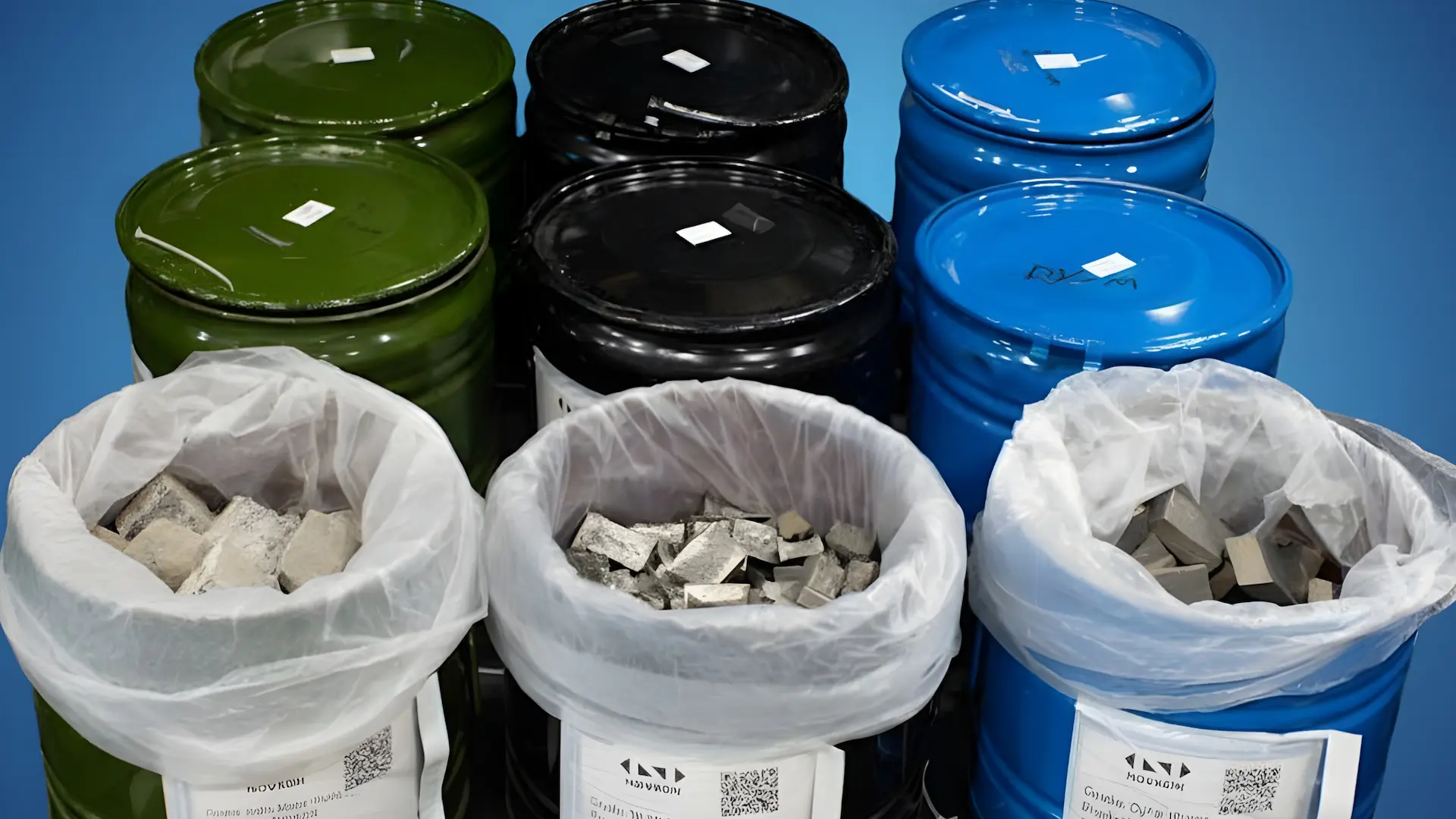
The federal government is channeling a hefty $1.6 billion into USA Rare Earth, the company quietly digging its way toward making America less dependent on foreign rare-earth minerals—mostly from the one country that has long held the world’s supply chain in a polite but firm grip.
In a move that blends Wall Street ambition with patriotic urgency, the Trump administration’s Commerce Department, via its CHIPS Program, has issued a nonbinding letter of intent for $277 million in direct federal funding plus a $1.3 billion senior secured loan.
In return, USA Rare Earth hands over 16.1 million shares and roughly 17.6 million warrants, giving Uncle Sam a meaningful slice of the ownership pie—around 10% by most accounts. This isn’t just pocket change; it’s the latest chapter in Washington’s concerted push to build a homegrown rare-earth empire before the next geopolitical hiccup leaves defense contractors and tech giants staring at empty stockpiles.
The stakes are sky-high, and so is the comedy of watching the government play venture capitalist. After China tightened export restrictions on rare-earths last April, the U.S. suddenly remembered that magnets in fighter jets, EVs, and smartphones don’t grow on trees—or at least not American ones.
The administration has been on a shopping spree: Vulcan Elements scored $620 million from Defense and $50 million from Commerce last November for a magnet facility, complete with equity sweeteners. MP Materials, the nation’s biggest rare-earth miner, already has government stakes cozying up in its portfolio.
Now USA Rare Earth joins the club, proving that when it comes to critical minerals, Washington prefers to invest rather than merely lecture about self-reliance.
USA Rare Earth isn’t sitting idle. The company simultaneously raised $1.5 billion in private equity, anchored by Inflection Point, giving the whole endeavor the feel of a blockbuster funding round where both public and private sectors are betting big on the same horse.
CEO Barbara Humpton, fresh from her Siemens days and clearly enjoying the spotlight, called it an “unprecedented show of support” and offered thanks to Commerce Secretary Howard Lutnick, President Trump, and Energy Secretary Chris Wright.
One can almost hear the patriotic soundtrack swelling in the background as she outlined plans to accelerate domestic capabilities vital for national security and tomorrow’s gadgets.
Adding a dash of high-tech flair, USA Rare Earth inked a letter of intent with the Energy Department’s National Energy Technology Laboratory to develop digital twin technology—essentially virtual models to fine-tune rare-earth separation processes. Because nothing says “independence” like simulating your mining ops on a supercomputer before the first shovel hits dirt.
Financially, the company previewed 2025 results with operating expenses and losses pegged between $56 million and $62 million, alongside capital expenditures of $37 million to $43 million. In other words, it’s spending like a startup with a government sugar daddy, burning cash today so the magnets of tomorrow can hum along without asking Beijing for permission.
This flurry of deals underscores a simple truth: rare earths may be scarce in name, but the scramble to secure them domestically is anything but subtle. The U.S. is finally treating supply-chain resilience like the national-security priority it is—complete with billion-dollar checks and equity stakes that make the whole thing feel like a very expensive game of corporate musical chairs.



Leave a Reply