
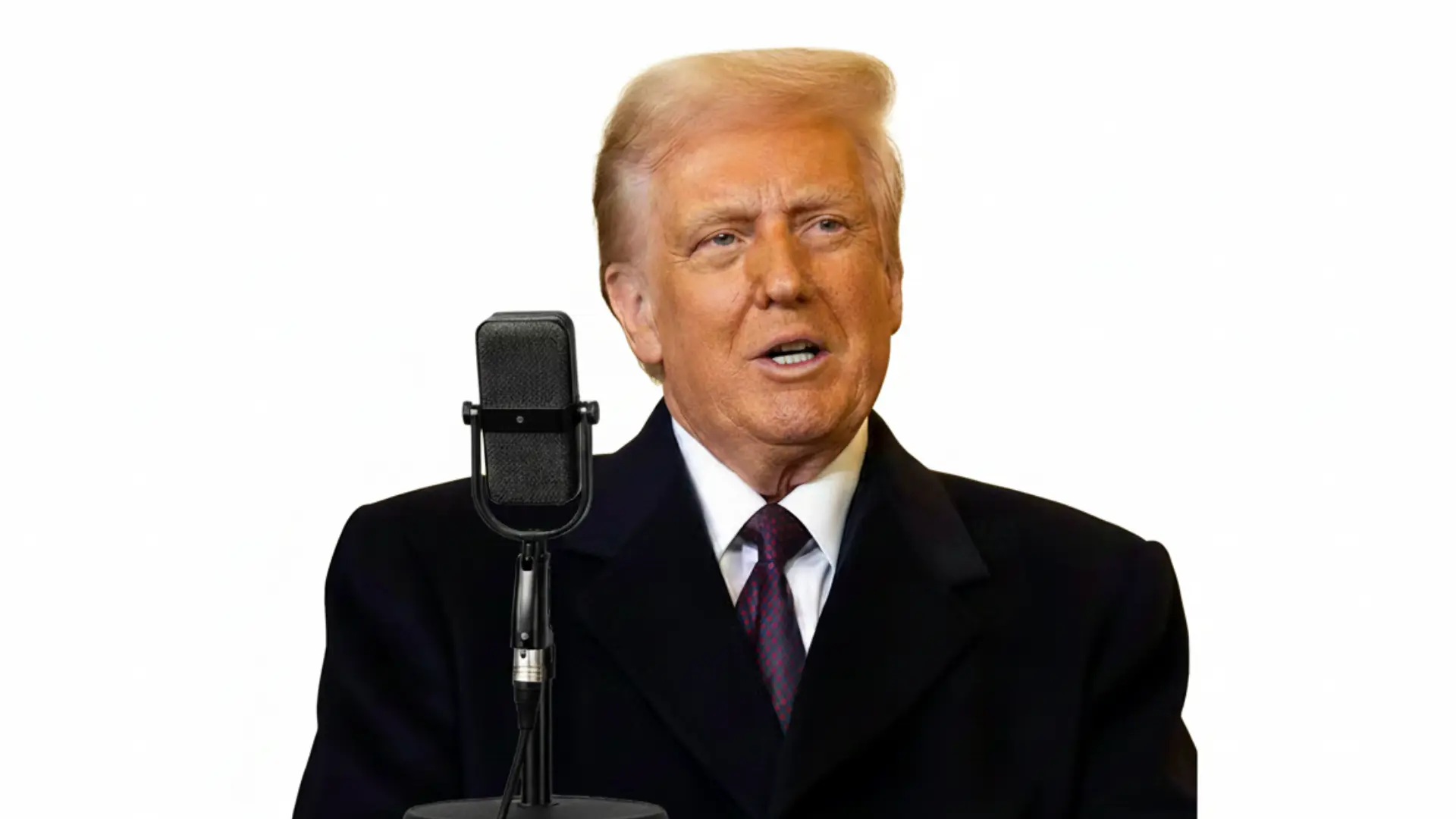
In 2025, President Trump’s policies have turned U.S. free-market capitalism into something commentators fondly dub “MAGA Marxism”. The boundaries between business and government have blurred so thoroughly that companies now compete less on innovation and more on who gets the best seat at the White House table.
Experts warn this shift could dampen long-term economic vigor. When government favors flow to well-connected firms, rivals dial back on groundbreaking ideas, figuring a solid schmooze outperforms a superior product.
Business law professor Ann Lipton observes that favoring one company distorts the marketplace. Firms lose the drive to innovate when personal ties trump technological edge.
In the long run, this means fewer top-tier products for consumers and a less competitive U.S. economy globally. A survey of leaders found 84% fretting over the political climate’s toll on their operations.
Yet tech giants, powering the AI surge, seem largely content. Their CEOs navigate tariffs and immigration hurdles by staying publicly mum and privately generous.
President Trump has actively picked winners this year. In August, he publicly demanded Intel CEO Lip-Bu Tan’s resignation over alleged China ties. Tan promptly visited the White House.
Soon after, Intel agreed to hand the government a 10% stake. Nvidia’s Jensen Huang, steering the world’s priciest company, donated to Trump’s ballroom project. This month, Trump greenlit Nvidia selling advanced chips to China.
The catch: Uncle Sam pockets 25% of those sales. Lipton dubs it “capitalism by schmoozing.” Companies excelling at charm sessions may outpace those buried in R&D labs. A White House official insists the narrative overstates matters.
They call it targeted interventions for national security, embracing free markets with strategic nudges. Companies in semiconductors and rare earths, vital against China, top the list for stakes or cuts. Business leaders always lobby presidents.
But insiders note Trump’s direct touch feels unusually hands-on. CEOs personally appeal, bypassing bureaucratic mazes. Apple’s Tim Cook gifted a gold-plated plaque alongside a $600 billion U.S. investment pledge.
Result: iPhones dodged the harshest tariffs.
For powerful execs, direct deals with the president prove remarkably efficient. One professor notes the Magnificent Seven tech firms align neatly with Trump 2.0. They grumble little about complicating policies.
Instead, they focus on goodwill gestures. Critics argue this picks winners via relationships, not merit. Defenders say benefits extend beyond pals. Still, the approach raises eyebrows across the spectrum.
As one consultant puts it, shifting from rules-based capitalism carries risks. America’s economic dominance owed much to fair competition. Now, personal rapport adds an unpredictable variable.
Companies ponder: Invest in breakthroughs or in better golf swings?
The year ends with uncertainty lingering. Will innovation thrive, or will boardrooms prioritize Oval Office etiquette?




Leave a Reply