
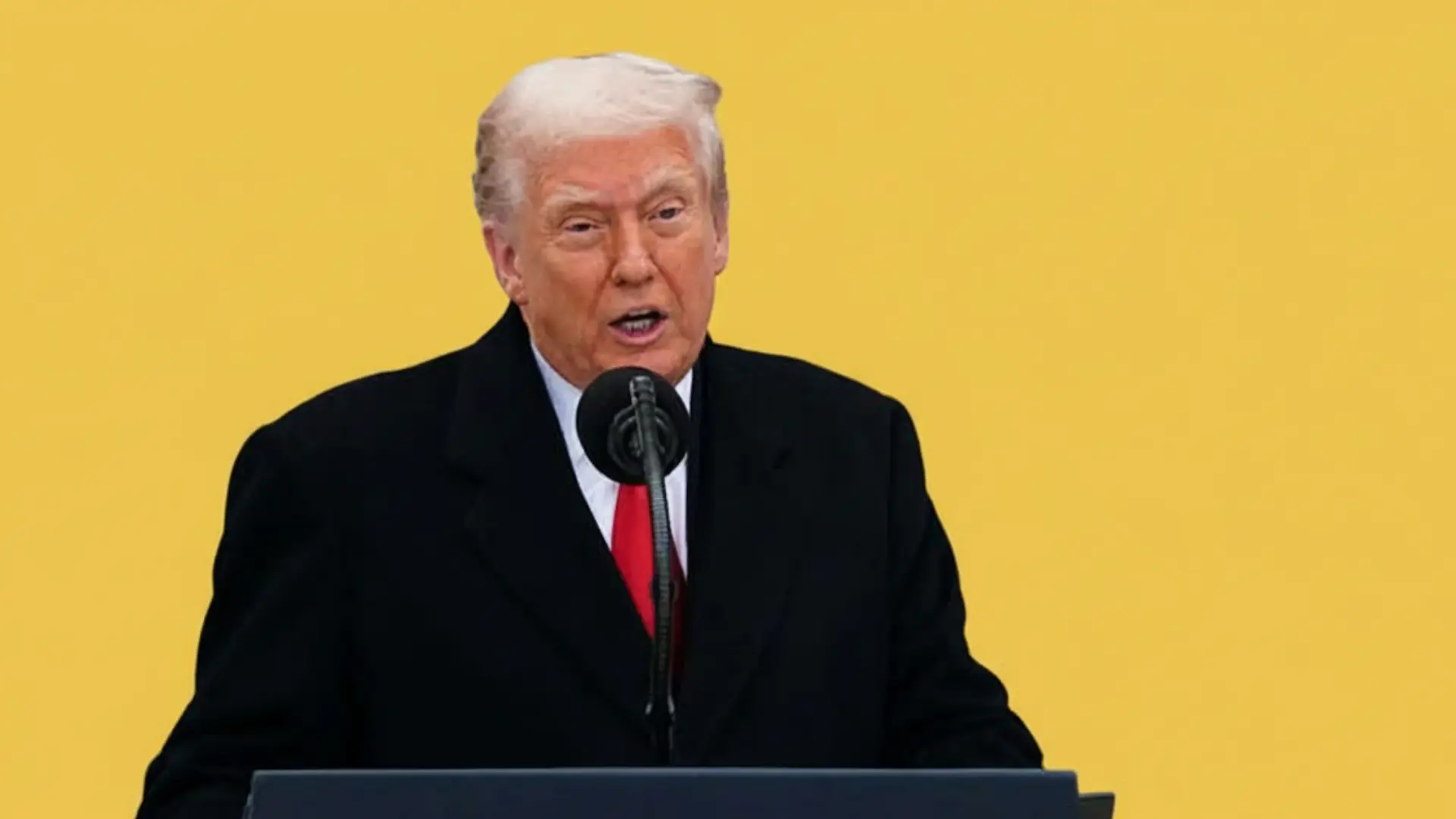
President Donald Trump unveiled a “reverse migration” blueprint, vowing to send immigration policies into overdrive after an Afghan national gunned down two National Guard members in Washington.
The tragedy, claiming the life of 20-year-old Army Specialist Sarah Beckstrom on the cusp of Thanksgiving, has the commander-in-chief treating border security like a game of hot potato—except the potato’s on fire and headed back to sender.
This policy pivot isn’t just shaking up the Statue of Liberty’s guest list; it’s got families across the heartland double-checking their turkey basters for signs of foreign intrigue, wondering if grandma’s secret recipe counts as a “net asset” to the nation.
With potential denaturalizations dangling like a piñata at a deportation party, experts whisper that the real fallout might be a sudden surge in DIY citizenship tests—because nothing says “American dream” like cramming for a quiz while the grill smokes.
Meanwhile, tech hubs from Silicon Valley to sleepy university towns are sweating over that new $100,000 H-1B visa fee, which feels less like a processing charge and more like a down payment on a second yacht for Uncle Sam. Refugees already stateside, numbering over 190,000 Afghans since Kabul’s 2021 tumble, might find their green cards turning the color of overripe avocados—still viable, but one bureaucratic squeeze from guac.
Picture the Oval Office as the dinner table from hell: Trump, fork in one hand and phone in the other, declares a permanent pause on migration from “all Third World Countries.” No menu of specifics, mind you—just a sweeping gesture that lumps developing nations into a category so vague it could include that one uncle who still uses a flip phone.
The posts dripped with disdain for “many US immigrants,” promising to yank citizenship from naturalized folks who supposedly “undermine domestic tranquility.” It’s the kind of line that sounds like it was workshopped over a steak dinner, where the real spice is the threat of federal benefit blackouts for non-citizens.
Earlier that day, the air hung heavy with grief over Beckstrom’s death, a stark reminder that holidays can curdle faster than expired milk. Trump didn’t mince words, amplifying his rhetoric to “remove anyone who is not a net asset… or is incapable of loving our Country.” One can’t help but imagine the loyalty litmus test: recite the Pledge while juggling bald eagles?
Tensions simmered as the White House slammed the brakes on Afghan immigration proceedings, ordering a deep-dive review of those already unpacked in the U.S. A Bloomberg memo from this month hints at plans to autopsy every Biden-era refugee case, freezing green cards like assets in a bad divorce.
Joseph Edlow, the steely head of U.S. Citizenship and Immigration Services, chimed in via social media with Trump’s marching orders: a “full scale, rigorous reexamination” of every green card from “every country of concern.” It’s thoroughness that makes a tax audit look like a casual coffee chat.
Flash back to June, when the administration dropped a ban hammer on 12 nations—Afghanistan, Haiti, Somalia, Sudan, and eight more uninvited guests—while slapping restrictions on seven others. Echoes of Trump’s first-term travel prohibitions from Cuba to Yemen, where the list read like a geopolitical naughty-or-nice roster.
Enforcement squads have been fanning out to cities, ignoring mayoral eye-rolls and whispers of wrongful deportations that skirt court rulings like a politician dodging a handshake. Local officials protest, but the feds march on, turning sanctuary cities into unintended game preserves.
The refugee cap? Slashed to a whisper. Temporary protected status? Yanked from several countries’ weary travelers. And that birthright citizenship challenge under the 14th Amendment? It’s back, probing constitutional toes like a lawyer at a family reunion.
Upon his January return, Trump wasted no time, inking an executive order to freeze all refugee admissions—a move courts swatted like a fly, though an appeals panel let the pause linger amid lawsuits. New arrivals get the cold shoulder, but those already here? The government must foot the bill for services, a begrudging nod to due process that feels like tipping the valet after repossessing the car.
Congress, that eternal spectator sport, has stonewalled major reforms for years, leaving executive orders to dance the legal tango. Trump’s vision of “reverse migration” dangles like a carrot on a stick that’s suddenly sprinting backward, leaving migrants, lawmakers, and late-night scrollers to ponder: in a nation of immigrants, who’s really packing the U-Haul?
As the dust settles—or doesn’t—these measures promise a holiday season where gratitude lists include “still have my passport.” With over 190,000 Afghans woven into the American tapestry since the Taliban takeover, the reexamination feels less like housekeeping and more like unraveling a quilt one stitch at a time.
Witty observers note the irony of a policy so bold it might just inspire its own migration: of headlines, that is.







Leave a Reply