
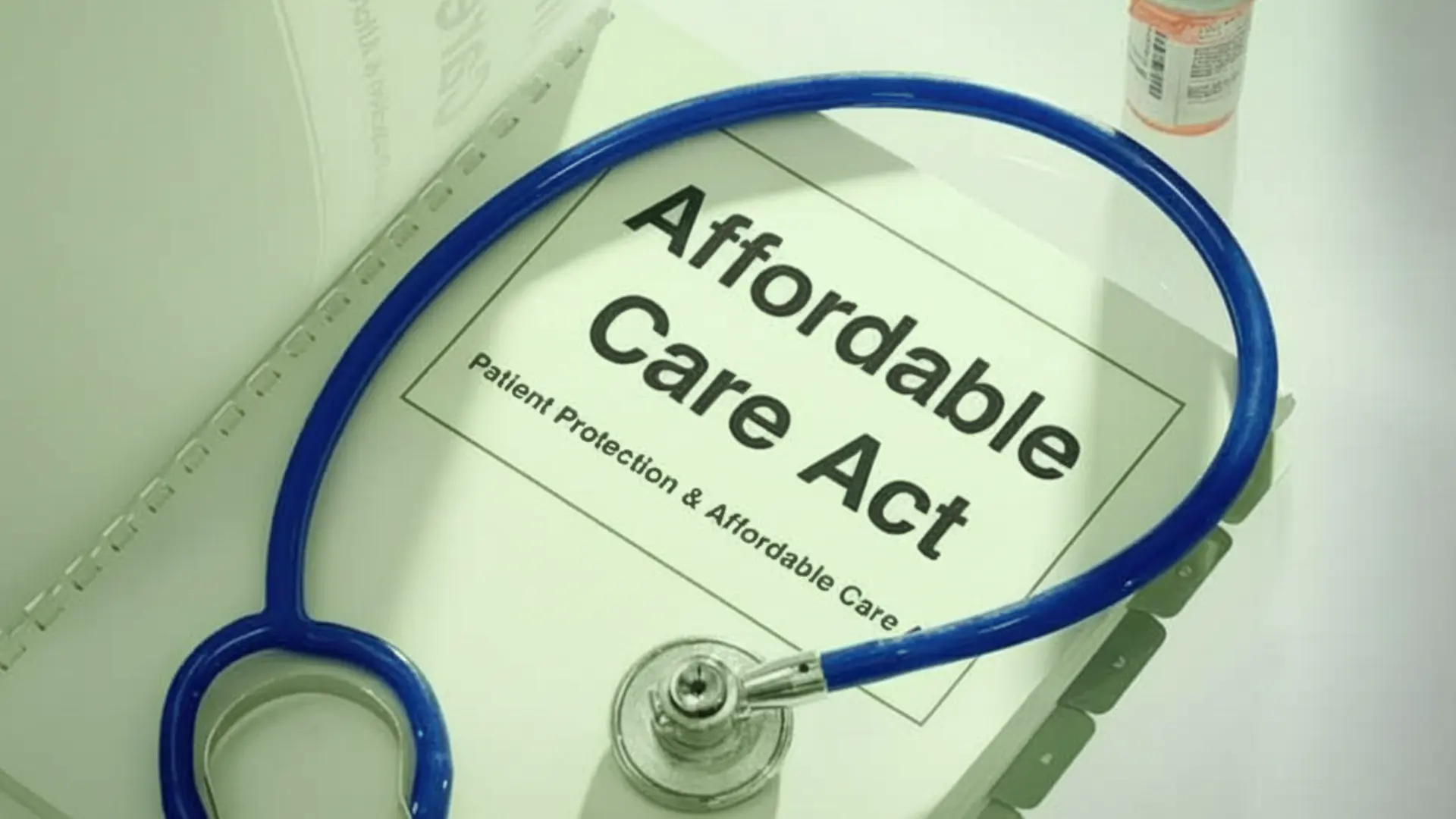
Enrollment for the Affordable Care Act marketplaces kicked off November 1 with a bang that feels more like a budget bomb, as average premiums for mid-level plans leaped 26% to $625 a month—the steepest climb since 2018.
For Kansas web developer Jeremy Tolbert, it’s not just numbers on a screen; it’s a $400 monthly gut punch turning family coverage into a high-stakes game of financial Jenga.
Tolbert, 47, stared at his laptop in Lawrence, Kansas, expecting a mild nudge upward. Instead, his current plan’s premium ballooned from $2,200 last year to $2,600 in 2026, leaving him wondering if insurers moonlight as balloon artists.
That’s before tacking on steeper out-of-pocket maximums for his wife and 11-year-old son. It’s like ordering the family pizza special, only to find the delivery fee now covers a Ferrari tune-up.
“I’ve been dreading this week,” Tolbert confessed to CBS News, his voice a mix of disbelief and dark comedy. At this rate, he quipped, his insurance might soon include complimentary therapy sessions—for the sticker shock alone.
Roughly 24 million Americans lean on ACA plans for their health safety net. But KFF’s Cynthia Cox, vice president of the ACA program, pins the blame on a perfect storm of escalating demands.
Blame the GLP-1 drugs frenzy, where weight-loss wonders like Ozempic have everyone lining up like it’s Black Friday at the pharmacy. Cox noted insurers are bracing for a tidal wave of these pricey prescriptions, turning “shedding pounds” into “shedding savings.”
Hospitals and providers aren’t helping, jacking up prices faster than a barista upsizes your latte. Add in projections of millions ditching coverage when premium tax credits vanish end of 2025, and you’ve got a recipe for rates that climb like overcaffeinated squirrels.
Those credits currently shield about 22 million users from the full brunt. KFF estimates their bills could more than double in 2026 without an extension—a cliffhanger fueling the U.S. government shutdown as Democrats arm-wrestle Republicans over the lifeline.
Tolbert doesn’t qualify for those subsidies, making his hike pure, unfiltered pain. “I already pay a significant portion of my income for this,” he said, half-laughing through gritted teeth. “What the hell am I paying for? The insurer’s next yacht club membership?”
Cox echoed the frustration, recalling the last big spike in 2017 amid Trump-era repeal threats. “Health care costs for everybody are going up,” she told, her tone steady but laced with the quiet exasperation of someone who’s seen this rodeo before.
It’s doctor visits, hospital stays, and drug bills inflating like party balloons at a kid’s birthday. Yet for families like Tolbert’s, the real party pooper is the looming unaffordability—pushing some toward skimpier plans with deductibles that could fund a down payment on a house.
Julie Margetta Morgan, president of The Century Foundation, warned during a recent call that higher costs might lure the desperate into ditching coverage altogether. “Some will head into next year with bigger out-of-pocket expenses,” she said, painting a picture of wallets wheezing under the weight.
Going uninsured? Cox calls it “gambling with your health and your wallet,” where the house always wins with surprise ER tabs. It’s the kind of bet where you might save a premium but lose a kidney—metaphorically, of course, though who knows with these rates.
Tolbert’s eyeing one to three more years before his plan folds like a cheap suit. He and his stay-at-home wife might hunt employer gigs just for the benefits, turning job searches into insurance scavenger hunts.
As enrollment buzzes, millions log in hoping for deals that feel less like daylight robbery. KFF urges shopping around—maybe snag subsidies if eligible, or pivot to bronze plans that promise coverage but deliver more like a polite suggestion.
The shutdown drags on, tax credits flicker like a faulty bulb, and families recalibrate budgets over coffee that’s cheaper than their co-pays. In this healthcare circus, the clowns are the costs, and the audience? Us, juggling bills with one hand and aspirin with the other.






Leave a Reply