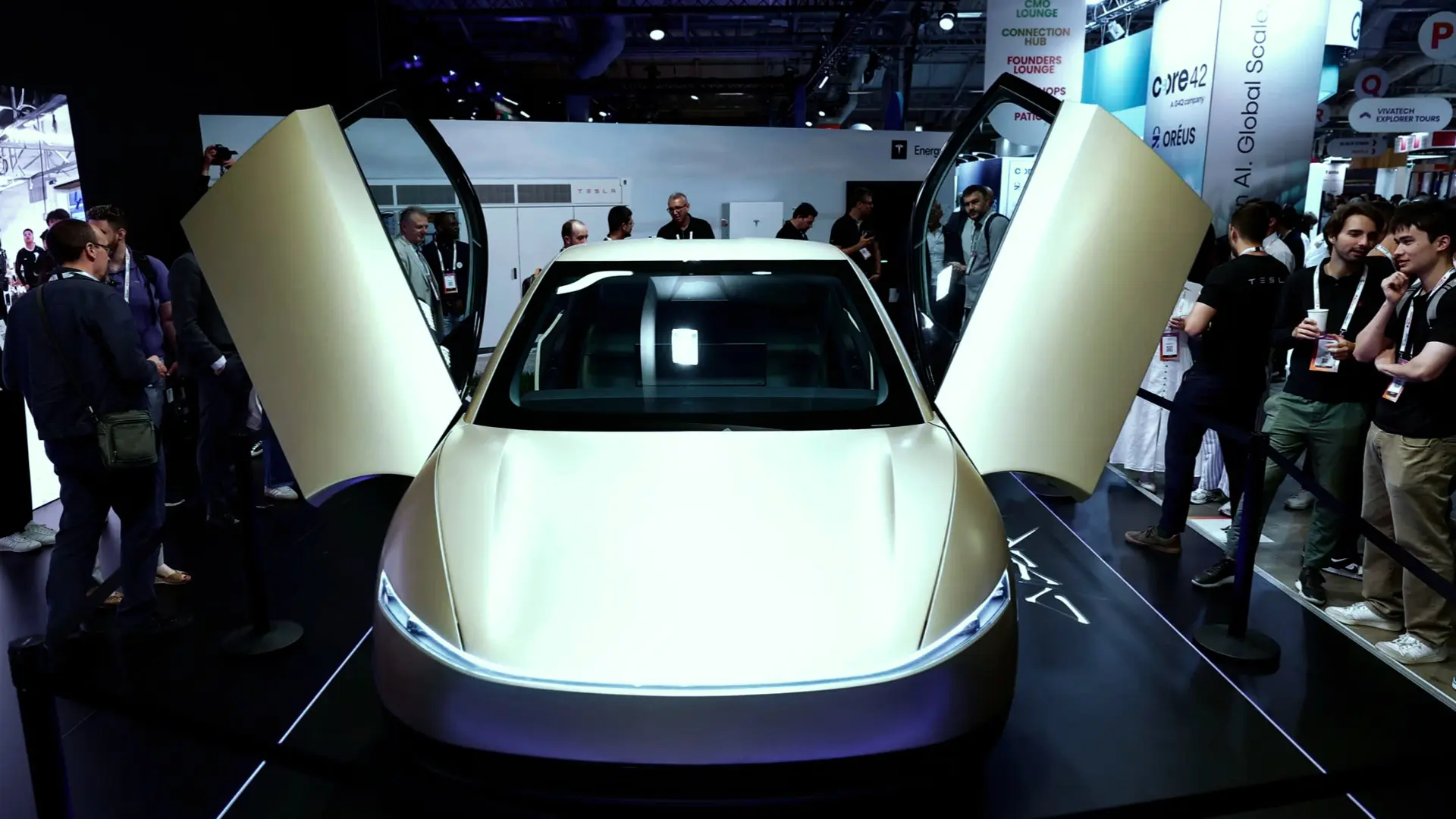
In Austin, Texas, this weekend, Tesla’s robotaxi service is gearing up to hit the streets with all the grandeur of a kid’s first lemonade stand—just ten cars, folks! Elon Musk has been hyping self-driving cabs for years, but this debut is less “world-changing revolution” and more “let’s dip our toes in the pool.”
These Model Ys, armed with cameras and a safety net of remote human babysitters, will tiptoe around Austin’s trickiest corners, sticking to a geofenced playground to avoid any real chaos.
Tesla’s stock market value, a cool $1 trillion, is riding on this robotaxi dream, banking on a future where driverless cabs make Uber look like a horse-and-buggy operation. But with only a handful of cars and teleoperators ready to hit the “oops” button, this launch feels like a dress rehearsal rather than opening night.
Musk’s fans are cheering, claiming Tesla’s lean, camera-only tech will outsmart Waymo’s fancy, sensor-packed Jaguars, which cost as much as a small yacht.
Waymo, the Google-spawned robotaxi veteran, already has 1,500 driverless taxis zipping around four U.S. cities, racking up 250,000 rides a week.
Their pricey lidar and radar gadgets make Tesla’s camera setup look like a budget smartphone, but Musk swears his Cybercab, priced under $30,000, will steal the show. The catch? Tesla’s tech hasn’t proven it can handle the big leagues—Level 4 autonomy—where Waymo’s been cruising for years.
Then there’s the safety question, which looms over Tesla like a storm cloud at a picnic. Federal regulators are sniffing around, investigating whether Tesla’s Full Self-Driving (FSD) software has caused crashes, including a fatal one.
With no public data on how often test drivers had to grab the wheel, skeptics are wondering if Tesla’s ready to let these cars fly solo or if they’re still on training wheels.
Musk’s big pitch is that Tesla’s massive fleet of customer-owned cars could moonlight as robotaxis, turning your neighbor’s Model 3 into a side-hustle machine. Imagine your car earning cash while you binge-watch TV—sounds great, right? But it’s unclear if older Teslas can handle the upgraded FSD software, and who’s got time to clean vomit out of their car after a robotaxi shift?
Waymo, meanwhile, runs its own fleet with dedicated charging and cleaning hubs, sparing owners the hassle. They’ve also teamed up with Uber in Austin and now Toyota, hinting at a future where they just supply the tech, not the cars.
Tesla’s plan to let owners opt in or out of the robotaxi game sounds nifty, but convincing folks to share their precious rides might be tougher than selling ice in Antarctica.
Musk’s other boast is speed—Tesla’s supposed to leap into new cities without Waymo’s tedious city-by-city mapping. With a mountain of driving data from its customers, Tesla claims its AI can handle any road, no prep needed.
But experts are rolling their eyes, pointing out that this data isn’t from fully autonomous cars and might not help with the rare, hairy situations that trip up self-driving systems.
Texas, with its laid-back Republican governor, is a cozy spot for Tesla’s home-base launch, but don’t expect a warm welcome everywhere. Democratic-leaning states might slap on stricter rules, turning Musk’s 1,000-robotaxi dream into a bureaucratic nightmare.
Austin’s new laws, kicking in this September, demand emergency plans and traffic law compliance, which could slow Tesla’s roll.
Local officials aren’t exactly throwing confetti either. Austin police have grumbled about Waymo and Cruise cars freezing during festivals or ignoring traffic barriers. Tesla’s “we’ll figure it out” vibe might not charm first responders who need clear protocols when a robotaxi decides to park on a train track.
Social media’s buzzing with both hype and shade. Some X users are stoked, predicting Tesla will dominate the robotaxi game, while others call it a publicity stunt with employees playing pretend passengers. One post even snarked that Tesla’s “driverless” cars still need a human sidekick, which doesn’t scream “fully autonomous” to anyone.
Waymo’s been at this since 2020 in Austin, testing for a year before letting passengers hop in. Tesla’s rushing in with a fraction of that prep, banking on its AI and Musk’s sheer audacity. Critics warn this could be a flashy gamble, especially with Tesla’s stock down 20% this year and safety concerns piling up.
Leave a Reply