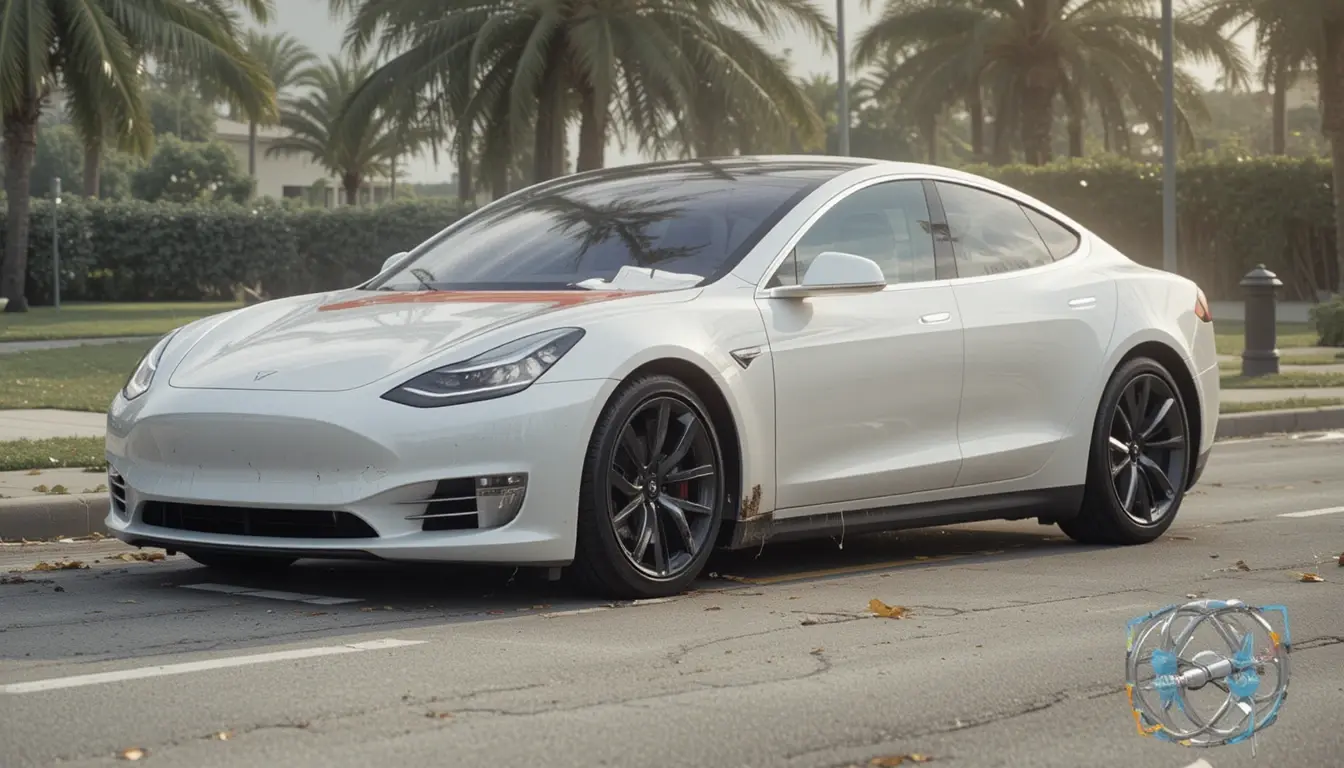
A Miami jury just handed Tesla a $243 million bill for a 2019 crash that proved its Autopilot isn’t the superhero it’s cracked up to be.
The court decided Tesla’s tech flopped, sharing the blame with a distracted driver who was apparently more interested in his phone than the road. This verdict is a plot twist in Tesla’s quest to convince everyone its cars can drive themselves while it gears up for a robotaxi rollout.
The case, which wrapped up after four years, is a rare courtroom showdown for Tesla, which usually settles or dodges these lawsuits faster than you can say “self-driving.”
Plaintiff lawyer Brett Schreiber argued that Tesla’s choice of the term “Autopilot” is about as clear as a foggy windshield, suggesting it does more than just assist with lane changes and braking. He pointed out that other carmakers use less flashy terms like “driver assist” to keep expectations grounded.
The jury wasn’t entirely sold on blaming the driver, George McGee, who admitted to fishing for his dropped phone while zooming through a stop sign at 62 mph. They slapped Tesla with $200 million in punitive damages to teach it a lesson and $43 million in compensatory damages for the victims. This hefty sum has industry folks like Dan Ives from Wedbush Securities saying it’s a bad day for Tesla, like showing up to a car show with a flat tire.
The crash itself was a scene straight out of a tragic action flick. Naibel Benavides Leon, 22, and her boyfriend Dillon Angulo were stargazing by their parked Chevrolet Tahoe when McGee’s Tesla Model S plowed through a T-intersection. The impact sent Benavides 75 feet into the woods and left Angulo with a limp and a traumatic brain injury.
Tesla’s defense? They claimed McGee was the only one at fault, speeding with his foot on the gas, overriding Autopilot’s better judgment. They’re already shouting “appeal!” louder than a car horn, arguing the verdict could stall the whole auto industry’s push for fancy tech. But the plaintiffs fired back, saying Tesla’s system should’ve yanked the wheel away from distracted drivers or at least flashed a warning.
Adding to the drama, the plaintiffs accused Tesla of playing hide-and-seek with crucial crash data and video. They brought in a forensic data expert who dug up the evidence Tesla swore it didn’t have. Neima Benavides, Naibel’s sister, declared, “Justice was achieved,” probably while giving Tesla’s lawyers a knowing nod.
The courtroom also got a peek at Tesla’s less-than-stellar track record with data transparency. Other crash victims have grumbled about Tesla being stingy with info, though the company insists it’s not playing games. In this case, the recovered video showed the car knew it was about to go rogue but did nothing, like a GPS that shrugs and says, “You’re on your own.”
Tesla’s banking on an appeal to shave down the $243 million tab, citing a pre-trial deal that caps punitive damages at three times their compensatory share. They’re hoping to pay closer to $172 million, but the plaintiffs are holding firm, saying the jury’s number is the real deal. It’s a financial tug-of-war that could keep lawyers busy longer than a cross-country road trip.
This verdict lands at a rough time for Tesla, which is already navigating a bumpy road with declining sales and a CEO who’s been stirring the pot in politics. The company’s been touting its robotaxi dreams, with plans to let driverless cars loose in cities soon. But this Miami ruling might make folks think twice about trusting a car that’s supposed to have all the answers.
Industry watchers are buzzing that this could spark a lawsuit frenzy, with car crash lawyer Miguel Custodio predicting a courtroom stampede. Other automakers are probably double-checking their own driver-assist systems, hoping to avoid a similar legal fender-bender. Tesla’s tech has come a long way since 2019, but this case shows trust is harder to rebuild than a carburetor.
Schreiber hammered home that Tesla’s marketing hype set drivers up to expect miracles from Autopilot. He argued the system should’ve been locked out on backroads like the one in Key Largo, where curves and stop signs demand full attention. “Words matter,” he said, probably wishing Tesla had called it “Kinda-Helps-Sometimes Mode” instead.
The jury’s decision to pin a third of the blame on Tesla suggests they bought the idea that the company’s tech and marketing share the hot seat with McGee. It’s a wake-up call for an industry racing toward autonomy, reminding everyone that “self-driving” doesn’t mean “self-thinking.” For now, Tesla’s got to navigate this legal pothole while keeping its robotaxi dreams on the road.
Leave a Reply