Tesla’s global car sales decided to take a summer vacation, dropping to 384,000 vehicles in the second quarter of 2025, down from a sprightly 444,000 the year before. The company seems to be shrugging off this slump, focusing instead on its shiny new robotaxi dreams. Meanwhile, competitors like BYD, General Motors, Volkswagen, and BMW are zooming ahead with fresher models, leaving Tesla’s aging lineup in the dust.
The company’s factories are practically twiddling their robotic thumbs, operating at just 70 percent capacity in Q2. Tesla’s plants in California, Texas, China, and Germany can churn out 2.35 million cars a year, or about 590,000 per quarter. With only 410,244 vehicles produced from April to June, it’s clear the assembly lines are enjoying some unexpected downtime.
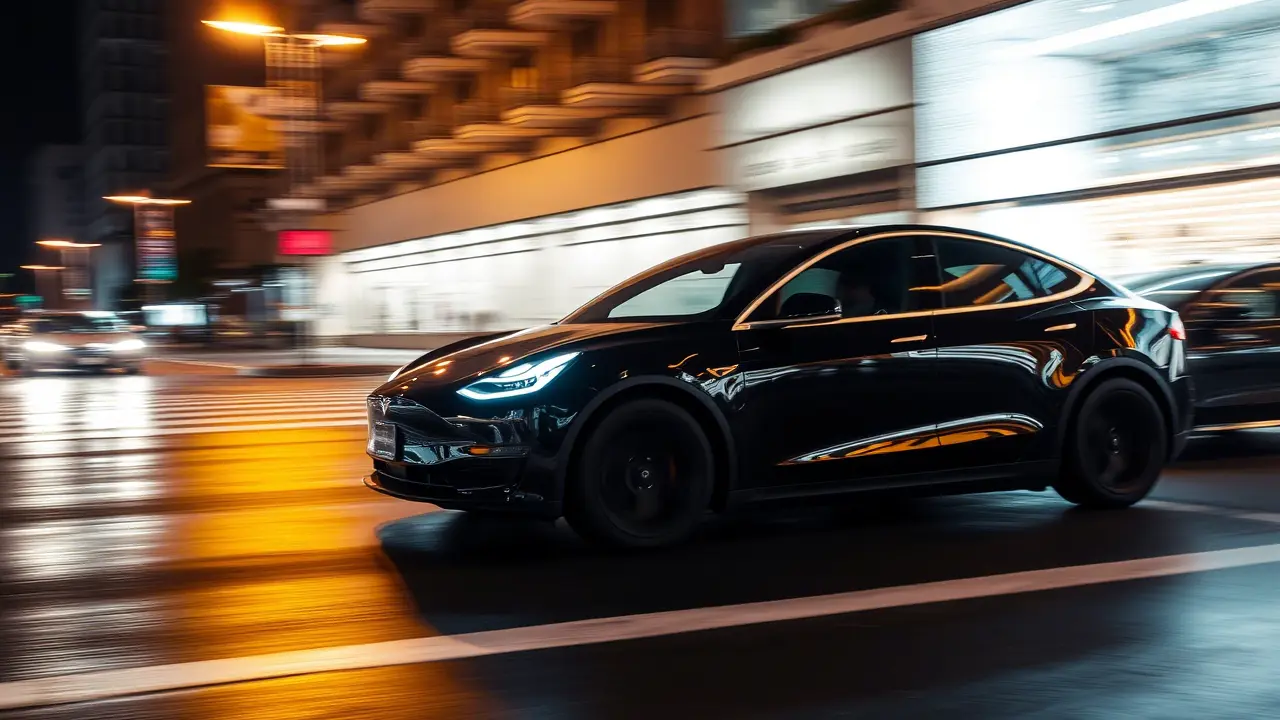
Tesla’s CEO seems unfazed by the sales dip, betting the farm on self-driving tech. The company kicked off a robotaxi test in Austin, Texas, last month, with Model Y SUVs ferrying handpicked passengers around town. These vehicles, dubbed Robotaxis, are Tesla’s attempt to prove cars can drive themselves without causing a citywide game of bumper cars.
The robotaxi riders, mostly Tesla superfans with hefty social media followings, couldn’t stop raving online. However, their videos revealed some hiccups—cars slamming on brakes, dropping folks off in the middle of intersections, or needing a human babysitter to step in. It’s less “Knight Rider” and more “Knight Rider’s slightly confused cousin” for now.
In a bold move, Tesla pulled off a driverless delivery last week, sending a Model Y from its Austin factory to a customer 30 minutes away. The company proudly declared it “FULLY autonomous!” on X, though critics pointed out the car parked in a no-parking fire lane. Talk about arriving in style, but maybe not in compliance.
Wall Street, ever the optimist, sent Tesla’s stock climbing despite the sales slide, with the company’s valuation still hovering above $940 billion. Investors seem to be sipping the autonomous-driving Kool-Aid, betting on a future where Teslas moonlight as driverless taxis. It’s a gamble that’s keeping the stock market buzzing like a kid with a new remote-control car.
The profit picture isn’t quite as rosy. Tesla’s bottom line is teetering, saved in the first quarter only by $447 million in clean air credits sold to less eco-friendly rivals. With the Trump administration eyeing those credits for the chopping block, Tesla might need to tighten its belt or hope its robotaxis start paying rent.
Competition is heating up faster than a Texas summer. Chinese carmaker BYD, along with Western giants like General Motors, Volkswagen, and BMW, are rolling out new electric models that make Tesla’s lineup look like it’s stuck in 2020. BYD’s “God’s Eye” driver-assistance tech, offered free on models as low as $9,600, is giving Tesla’s pricier Full Self-Driving system a run for its money.
Leave a Reply