
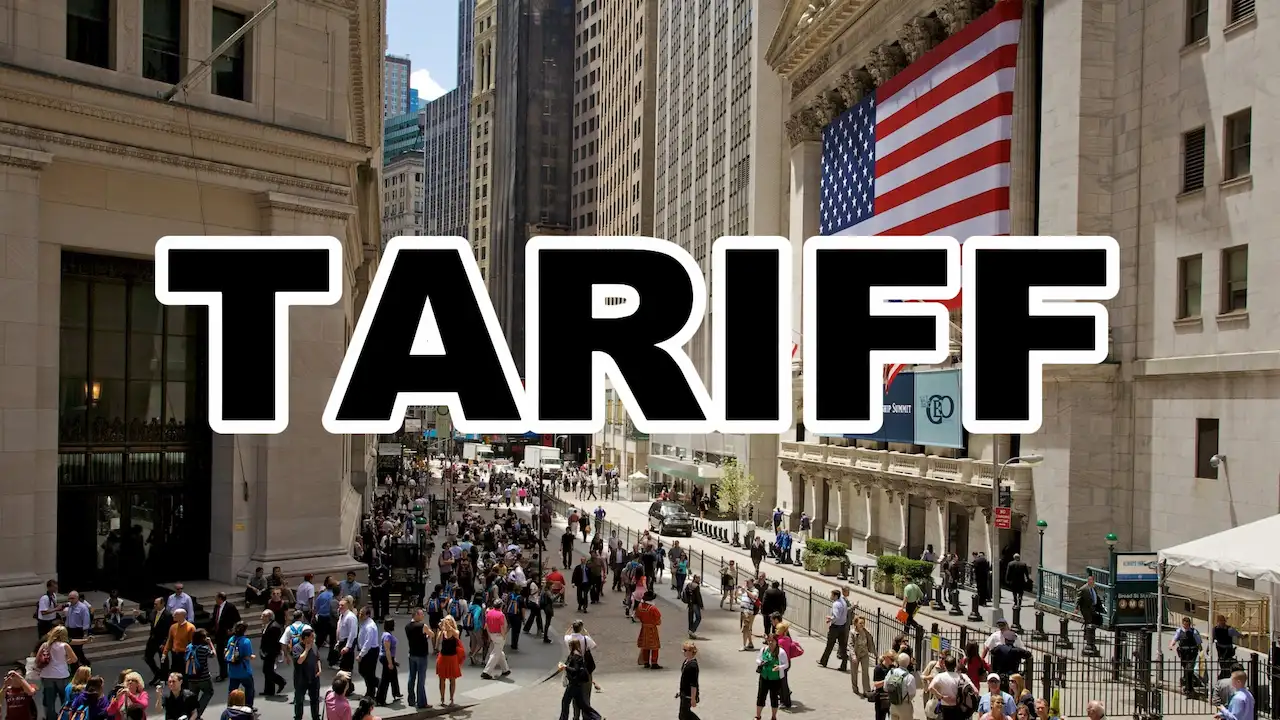
Wall Street’s bigwigs are having a rough go. The U.S. economy, once their trusty playground, now feels more like a rickety rollercoaster. President Trump’s tariffs, unleashed with the subtlety of a bull in a china shop, have CEOs tossing and turning at night.
Since spring, these trade taxes have sent global markets into a tizzy. Prices for everything from sneakers to semiconductors are climbing faster than a squirrel up a tree. Consumers and businesses alike are feeling the pinch, and nobody’s laughing—except maybe the tariff-loving gremlins in the White House.
The tariffs aren’t just hiking costs; they’re straining international friendships. Allies like Canada and Europe are giving the U.S. the side-eye, wondering if they missed the memo on trade wars being cool again. Meanwhile, the national deficit is ballooning, thanks to a budget proposal that’s more ambitious than a kid’s Christmas list.
This budget, already greenlit by the House, is now under Senate scrutiny. It’s got Wall Street’s finest sweating bullets, as it promises to pile on debt faster than a college kid with a new credit card. The fear? America’s global financial swagger might take a hit.
JPMorgan Chase’s Jamie Dimon sounded the alarm at the Reagan National Economic Forum. “We have to get our act together,” he urged, probably wishing he could slap some sense into the economy. He’s particularly jittery about the U.S. dollar’s role as the world’s go-to currency.
The dollar’s been king since World War II, holding nearly 60% of global foreign-exchange reserves. Dimon’s worry is that if America’s military and economic dominance fades, so will the dollar’s crown. “In 40 years, we won’t be the reserve currency,” he predicted, likely causing a few bankers to choke on their caviar.
Wall Street’s top dogs, who usually spot economic hiccups first, are now navigating what’s being called the “five stages of tariff grief.” Inspired by Dr. Elisabeth Kubler-Ross’s model for processing loss, it’s a cycle of denial, anger, depression, bargaining, and acceptance. These CEOs have been riding this emotional merry-go-round since Trump’s inauguration.
Back in February, many execs were in denial, shrugging off tariff threats. A Conference Board survey showed CEO confidence at a three-year high, with leaders daydreaming about deregulation and tax cuts. Tariffs? Pfft, no big deal, they thought.
Oh, how the mighty have fallen. By late May, that confidence had cratered, marking the steepest quarterly drop in 49 years. The Conference Board’s latest report suggests CEOs are now wallowing in the anger and depression stages, with acceptance still a distant dream.
“CEOs aren’t just thinking about tariffs now; they’re obsessed,” said Stephanie Guichard, a senior economist at the Conference Board. The nonstop uncertainty has turned boardrooms into therapy sessions, minus the couches. Nobody’s sure what’s coming next, but it probably won’t be a group hug.
Take Citadel’s Ken Griffin, who slashed growth estimates in half, blaming tariffs for the economic equivalent of a bad haircut. “These policies come at a dear price to consumers,” he griped, echoing a chorus of frustrated execs. Posts on X show similar sentiments, with users noting widespread CEO angst over trade disruptions.
The World Bank’s recent forecast didn’t help, slashing global growth predictions by 0.4 points to 2.3% for 2025, citing tariffs as a major buzzkill. Canada’s trade deficit hit a record $5.2 billion in April after a 25% auto tariff slammed exports. It’s a global game of economic whack-a-mole, and nobody’s winning.
Some companies, like Century Aluminum, might cash in on higher domestic prices from metal tariffs. But for most, it’s a grim scene. Apple’s Tim Cook warned of $900 million in added costs, while the footwear industry begs for relief, fearing empty shelves and job losses.
Wall Street’s mood has shifted from “we got this” to “send help.” Billionaire Bill Ackman’s talk of an “economic nuclear winter” on X captures the gloom. Even JPMorgan’s Dimon, usually cool as a cucumber, sounds like he’s one tariff away from a meltdown.
The dollar’s global dominance is another sore spot. Morningstar reports its decline reflects investor jitters, though analysts insist no other currency can steal its thunder—yet. Still, Goldman Sachs predicts a 6% drop against the euro and yen, which isn’t exactly pocket change.
Trump’s team, meanwhile, calls this a “detox” period, suggesting a recession might be worth it for long-term gains. Commerce Secretary Howard Lutnick even floated the idea that a downturn could be a fair trade for manufacturing muscle. Wall Street, unsurprisingly, isn’t buying the optimism.
As tariffs continue to rattle markets, CEOs are left grappling with a new reality. Their once-rosy outlook has been replaced by a mix of dread and desperation. Whether they’ll reach the acceptance stage—or just keep cycling through grief—remains anyone’s guess.



Leave a Reply