
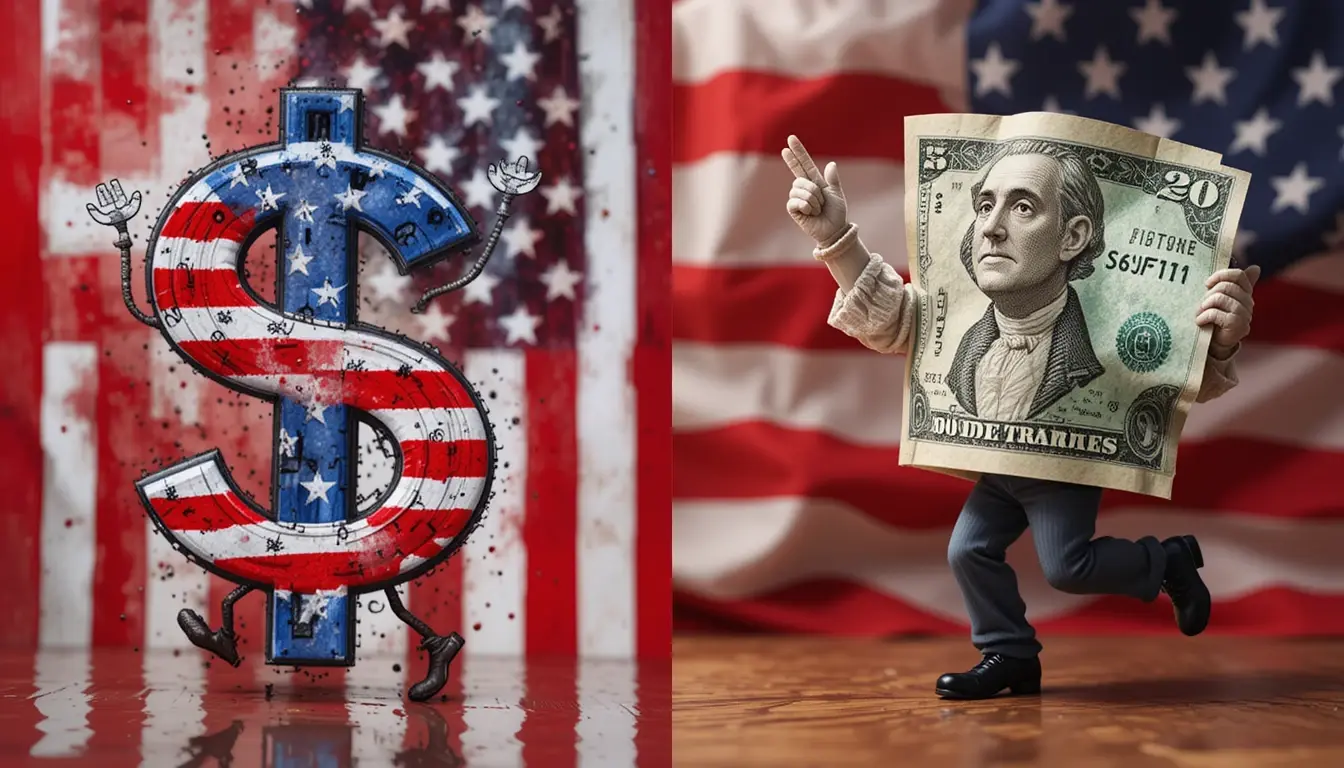
Switzerland’s top brass, President Karin Keller-Sutter and Economy Minister Guy Parmelin, are jetting off to Washington with a suitcase full of charm and a desperate plea to dodge Donald Trump’s 39 percent tariff wallop.
The Alpine nation, blindsided by the steep levy, hopes to woo the White House with a shiny new offer before the trade guillotine drops on August 7. Think of it as a diplomatic speed-dating session, but with higher stakes and less wine.
Last week, Trump slapped Switzerland with a tariff rate that made jaws drop faster than a cuckoo clock at noon. The 39 percent duty, a jump from the 31 percent floated in April’s “liberation day” announcement, targets Swiss exports like watches, chocolate, and machinery.
Bern’s negotiators, expecting a cozier 10 percent deal, were left scratching their heads like puzzled alpaca farmers.
Keller-Sutter, waving off rumors that a cranky phone call with Trump spiked the rate, insists the talks were civil but fruitless. Switzerland’s trade deficit with the U.S., pegged at $39 billion, is Trump’s big beef, though Swiss business groups argue it flipped to a surplus this spring.
Pharmaceutical companies, stockpiling goods like squirrels before winter, helped tip the scales with a $4.2 billion surplus in May.
Parmelin, the rightwing Swiss People’s Party stalwart, isn’t sitting idly by. He’s pitching increased Swiss investments in the U.S., including a bold plan to guzzle more American liquefied natural gas. It’s a bit like offering to buy more burgers to avoid a tax on your fondue.
The Swiss government, still stinging from the tariff shock, held an emergency cabinet huddle on Monday. They decided Parmelin’s economic crew needs to take the lead in this transatlantic tango. Two insiders noted it’s a logical move, given his department’s knack for crunching trade numbers.
Joining the Washington roadshow are Helene Budliger Artieda, state secretary for economic affairs, and Daniela Stoffel, international finance guru. This diplomatic dream team aims to convince Trump’s trade squad, led by Jamieson Greer and Treasury Secretary Scott Bessent, that Switzerland’s not the trade villain it’s been painted as.
They’re armed with data showing 99 percent of U.S. goods enter Switzerland tariff-free, thanks to Bern’s bold move to scrap industrial tariffs in January 2024.
Swiss business groups, meanwhile, are throwing a collective tantrum over the “arbitrary” tariffs. The Swiss American Chamber of Commerce points out that the U.S. trade deficit narrative ignores the surplus swing in April and May.
Watchmakers, chocolate crafters, and machinery makers are sweating bullets, fearing job losses that could hit harder than a poorly timed yodel.
The pharmaceutical sector, a Swiss export titan, dodged the tariff bullet for now, but Trump’s been muttering about slapping levies on drugs too. Companies like Roche and Novartis, which fuel nearly half of Switzerland’s U.S. exports, are watching nervously. It’s a bit like waiting for the other shoe to drop, except the shoe’s a tariff hammer.
Keller-Sutter’s expressed regret over the failed talks, admitting Bern thought it had a 10 percent deal in the bag. Instead, they got a 39 percent curveball that’s got the Swiss franc wobbling like a tipsy mountain goat. The government’s now racing against the August 7 deadline to pitch a deal that might just save their economic bacon.
Parmelin’s suggestion to boost U.S. investments could be a game-changer, or at least a decent distraction. He’s floated ideas like funneling more Swiss cash into American factories or importing LNG to power Swiss chalets. It’s a bold move, akin to bribing a bear with honey to avoid a mauling.
Swiss trade groups aren’t amused, calling the tariffs a gut punch to industries like watchmaking and chemicals. They warn of tens of thousands of jobs at risk, which could turn Switzerland’s economy into a sad accordion tune.
The Swissmem group, representing tech firms, labeled the levy a “massive shock” that could ripple through the Alps.
Despite the gloom, there’s a sliver of hope. The seven-day window before the tariffs kick in gives Switzerland a chance to haggle like a bazaar vendor. Analysts at UBS suggest a deal similar to the EU’s 15 percent tariff rate isn’t off the table, if Bern plays its cards right.
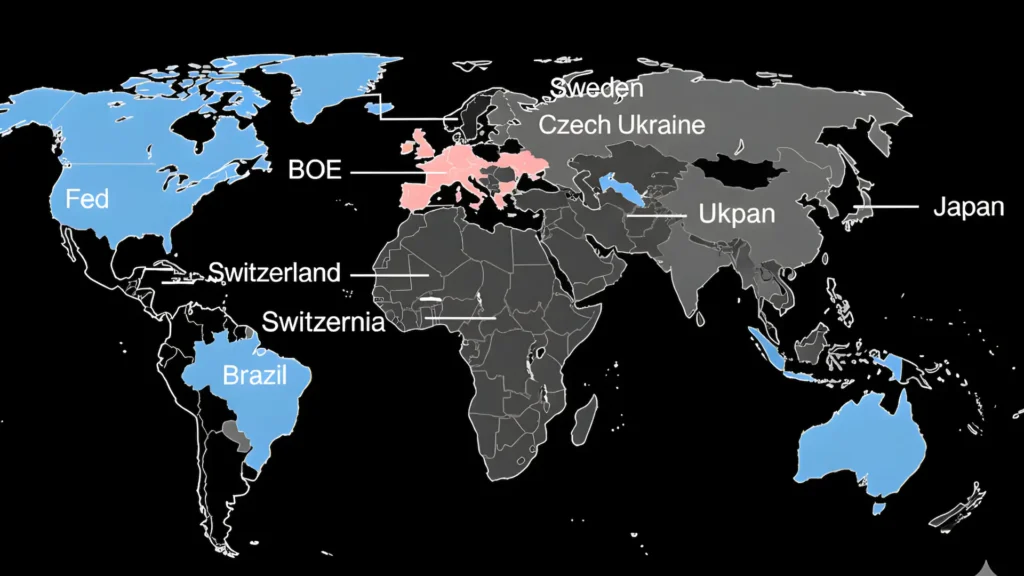
Switzerland’s not alone in this trade war circus. Other nations, like Canada and Brazil, face their own hefty tariffs, but the Swiss, with their neutral rep and chocolate prowess, feel particularly picked on. They’re hoping their Washington charm offensive will lower the tariff temperature before their exports get roasted.
As the clock ticks, Switzerland’s leaders are pulling out all the stops to avoid economic calamity. Whether they’ll succeed in convincing Trump to ease up remains to be seen, but for now, they’re betting on diplomacy, data, and a sprinkle of Swiss charm. Fingers crossed it’s enough to keep their watches ticking and chocolate flowing.


Leave a Reply