
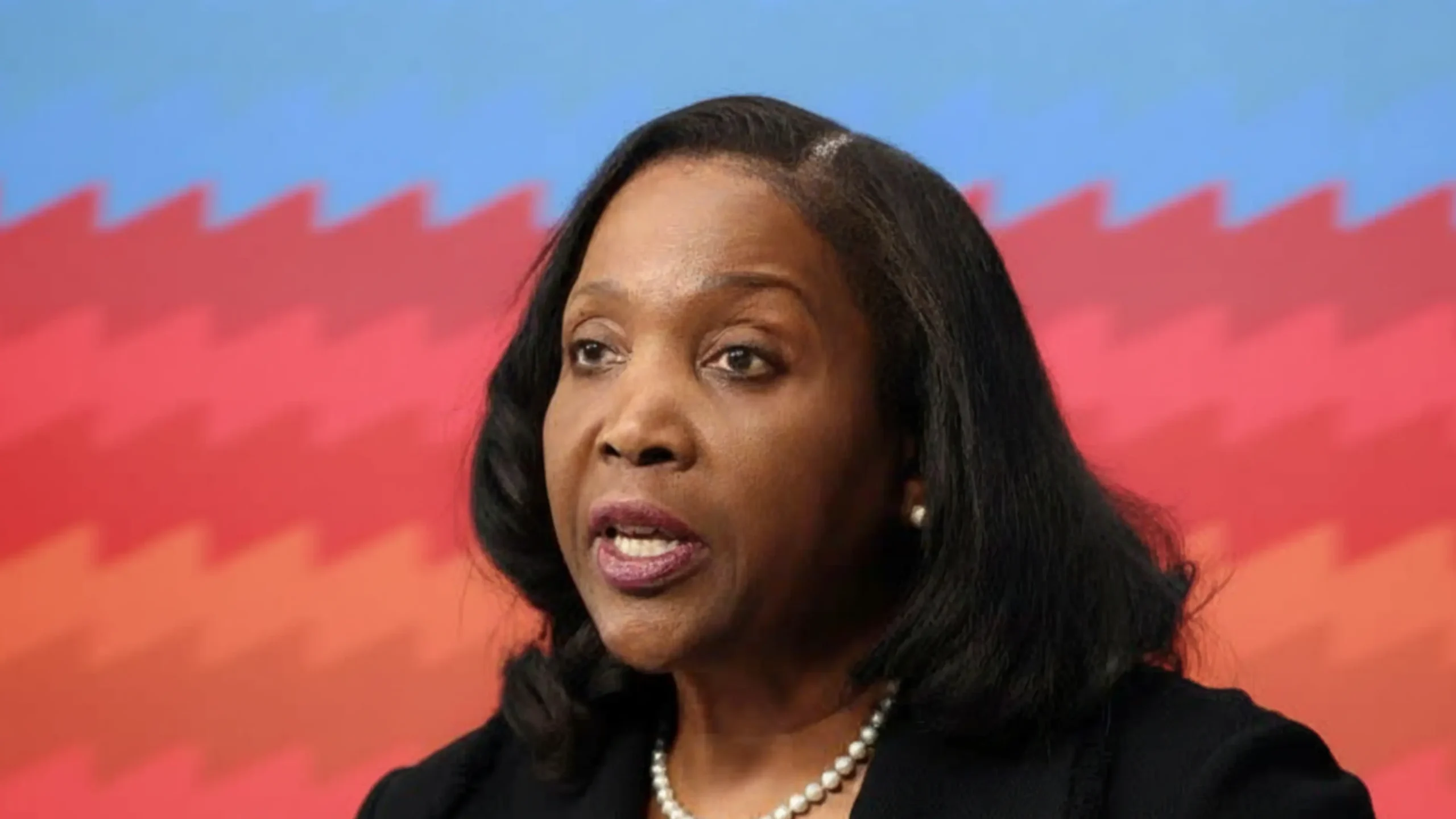
In a year when President Trump has treated the Federal Reserve like a misbehaving intern—threatening to fire the chair, actually trying to fire a governor, and demanding rate cuts on demand—Wall Street has responded with the financial equivalent of a polite golf clap and a collective yawn.
The S&P 500 celebrated Trump’s unprecedented attempt to sack the first Black woman ever to serve on the Fed board by hitting a fresh all-time high three days later, because nothing says “panic” like buying more stocks.
Meanwhile, the 10-year Treasury yield has quietly fallen since spring, suggesting investors are more worried about missing the next Netflix binge than about the central bank suddenly turning into a White House vending machine for cheap money.
Bond traders have nudged up term premiums a bit—partly because of exploding deficits, partly because the phrase “President fires Fed governor” now exists in real life—but the move has been so modest it barely anyone spilled their oat-milk latte.
President Trump kicked off his second-term Fed vendetta with the subtlety of a marching band, publicly insisting on lower rates and floating the idea of showing Jerome Powell the door.
The Fed has still managed to cut rates twice this year and has another chance in December.
Yet markets remain convinced the grown-ups will stay in charge.
The current drama centers on Fed Governor Lisa Cook, a Biden appointee who has the historic distinction of being both the first Black woman on the board and the first governor any president has ever tried to fire in the Fed’s 111-year history.
Trump announced her dismissal in August, citing unproven mortgage-fraud allegations that remain, generously speaking, unproven.
Cook’s lawyers called the claims “baseless” and asked the Justice Department to please stop investigating something that isn’t there.
Oral arguments in the Supreme Court are set for late January, giving investors several more weeks to pretend everything is normal.
In a separate case last May, the Court let Trump keep a fired labor-board member sidelined, but the justices added a Post-it note saying “this has nothing to do with the Fed, please don’t get any ideas.”
Wall Street read that footnote like gospel and exhaled.
Long-term inflation expectations have stayed remarkably chill all year, as if the phrase “presidential interference in monetary policy” is just another Tuesday.
Even the shortlist to replace Powell when his term ends in May—reportedly including Kevin Hassett, Christopher Waller, Michelle Bowman, and two others, and zero reality-TV stars—has been greeted with the enthusiasm usually reserved for sensible shoes.
Treasury Secretary Scott Bessent, running the search, hinted the announcement could drop around Christmas, giving markets either an early gift or the monetary-policy equivalent of coal.
Economists at a recent conference agreed the names are so mainstream that investors have gone back to worrying about more pressing issues, like whether the cafeteria ran out of avocado toast.
For now, the betting markets and bond traders are essentially telling the president: “Nice try, but the Federal Reserve’s independence is apparently harder to fire than a tenured professor.”






Leave a Reply