

The U.S. economy roared ahead in the third quarter of 2025 with a 4.3% annualized GDP growth rate—the fastest in two years—yet consumer confidence took another nosedive in December, leaving many wondering if they’re living in parallel universes.
This stark contrast highlights how robust headline figures can mask everyday struggles, as higher-income households fuel the expansion while others grapple with stubborn prices and job anxieties.
The disconnect has real consequences. While the affluent continue spending buoyed by soaring stocks and home values, middle- and lower-income families tighten belts, delay purchases, and fall behind on bills.
Consumer confidence dropped for the fifth straight month to 89.1 in December, reflecting deepening worries over employment prospects and living costs. Meanwhile, the labor market cooled, with unemployment climbing to 4.6%—its highest in four years—and hiring slowing amid business caution.
The third-quarter GDP surge owed much to resilient consumer spending, which accelerated to 3.5%. Exports and government outlays also contributed significantly.
Economists point out this spending spike largely came from wealthier consumers cashing in on record asset gains. Retirees and the top earners, flush with stock market windfalls and property appreciation, kept the registers ringing.
Lower-wage households faced a different reality. Wage growth lagged for them, clocking in at just 1.4% for the bottom tier versus stronger gains at the top.
Inflation, though easing to 2.7% annually in November, remained elevated compared to pre-pandemic norms. Essentials like electricity rose 7%, natural gas 9%, and ground beef a whopping 15%.
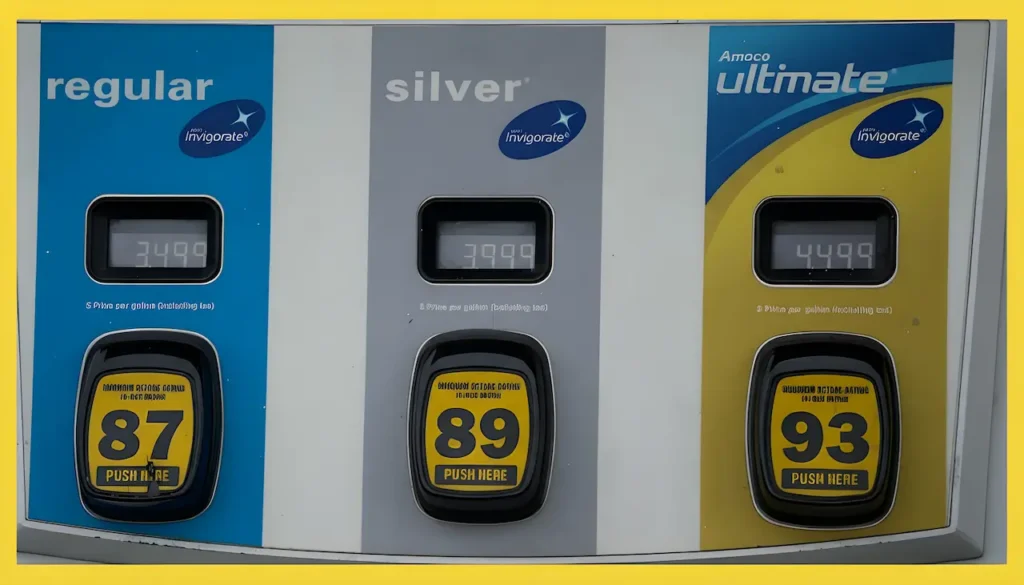
Coffee lovers paid 19% more, and car repairs jumped 10%. Cheaper eggs and milk offered small consolation, alongside gasoline dipping to a four-and-a-half-year low around $2.86 per gallon.
Job security fears mounted as consumers reported the fewest expectations for plentiful openings in four years. Businesses, navigating tariff uncertainties and AI efficiencies, paused hiring or trimmed staff to manage costs.
Advancements in artificial intelligence allowed firms to boost productivity without adding workers. Erratic trade policies added paralysis, prompting some to hold off expansions.
This K-shaped pattern—upward for the privileged, downward for many others—persisted. Higher earners drove nearly half of consumer spending, sustaining growth even as broader sentiment soured.
Mark Zandi of Moody’s Analytics noted GDP feels abstract, but rising costs for coffee, beef, and childcare hit home directly. People sense when job searches toughen or bills outpace paychecks.
The delayed GDP report, impacted by the recent government shutdown, still painted a vigorous summer snapshot. Yet zooming in revealed caution among everyday spenders.
As the year closed, the economy chugged forward on the strength of the well-off. For millions on Main Street, the ride felt bumpier, with prices pinching and job prospects dimming.
The divide underscores a timeless truth: aggregate success doesn’t always trickle down evenly. Wealth effects propelled the boom, but wage stagnation and inflation bites left many spectators rather than participants.
Businesses adapted cleverly to tariffs and tech, doing more with less. Workers, however, found fewer doors opening.
Consumer write-ins highlighted prices, tariffs, and personal finances as top concerns. Confidence lingered below levels signaling smooth sailing.
Still, no recession materialized. Growth held firm, fueled by AI investments and affluent outlays.
The question lingers: can the top keep carrying the load indefinitely? Or will broader strains eventually weigh down the whole?
For now, the economy marches on—briskly for some, cautiously for most.






Leave a Reply