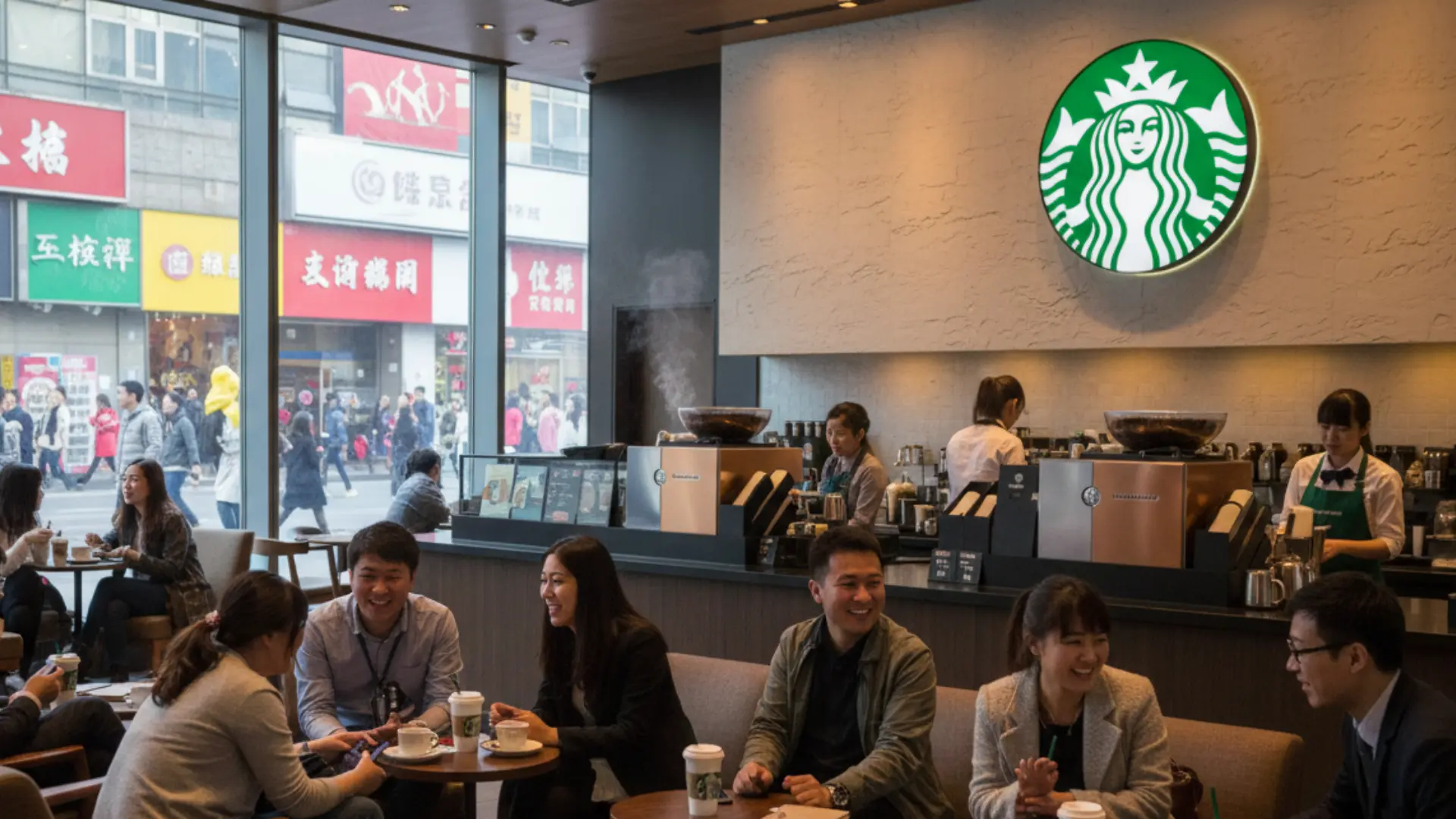
Starbucks announced Monday it’s handing over the keys to its sprawling China empire to investment whiz Boyu Capital in a $4 billion deal. Picture the green siren waving goodbye to over a fifth of her global cafes, all while keeping her siren song intact through brand licensing.
The pact crafts a joint venture where Boyu snags up to 60% control of Starbucks’ retail footprint in the Middle Kingdom. Starbucks clings to a 40% slice, ensuring it still gets a taste of those pumpkin spice dreams turned reality.
Analysts are buzzing like over-caffeinated bees. This divestment clocks in as one of the priciest handoffs of a China unit by any global consumer titan lately, with the whole shebang valued north of $13 billion—including the sale proceeds and Starbucks’ lingering equity nibble.
Why the sudden sprint from the world’s largest coffee market? Blame the barbarians at the gate: local chains slinging dirt-cheap brews that make a $6 grande look like highway robbery. Amid China’s economic hiccup, frugal sippers have swapped venti vents for value-packed pour-overs that cost less than a subway token.
Euromonitor’s crystal ball doesn’t lie. Starbucks’ market share there plummeted from a comfy 34% in 2019 to a wobbly 14% last year, as if the competition had spiked the communal pot with truth serum.
Boyu Capital, that savvy Beijing-based player with ties to tech titans and tycoons, steps in like a knight in pinstripes. They’re not just buying beans; they’re betting on a hybrid beast that blends Starbucks’ glossy allure with local hustle, potentially brewing up efficiencies that could outpace the original recipe.
Starbucks execs paint it as a “strategic evolution,” not a retreat. Yet whispers in boardrooms suggest it’s less about bold pivots and more about dodging the double espresso of declining sales—down 11% in China last quarter alone, per their filings.
Imagine the scene: baristas in Shanghai, mid-pour, learning their pumps and syrups now answer to a new boss who might swap holiday blends for holiday bargains. Will the mermaid logo get a dragon tattoo? Or just a discount sticker?
Starbucks’ once-unrivaled moat of premium perk has turned into a puddle, thanks to consumers tightening belts tighter than a barista’s apron.
The JV’s fine print promises Starbucks ongoing royalties from the brand and IP, a lifeline sweeter than caramel drizzle. It’s like lending your favorite recipe to a neighbor who promises to credit you—while charging half the price and stealing the neighborhood.
After years of exporting Frappuccino fever, Starbucks now co-parents its China baby with a firm whose name evokes “rich uncle” more than “quick cup.” Will this spawn a fusion frappé of Western whimsy and Eastern thrift?
Economic headwinds add the plot’s perfect foam. China’s slowdown has turned latte loyalists into tea traditionalists, or worse, home-brew hobbyists. Starbucks’ cafe count there still tops 6,500, but foot traffic’s fizzled faster than a flat soda.
Boyu’s entry isn’t all boardroom ballet. With deep pockets from backers like Alibaba’s Jack Ma in eras past, they could turbocharge supply chains or tweak menus for the mandarin palate—think matcha mochas meets mooncake macchiatos.
Starbucks shareholders, meanwhile, sip on optimism. The deal injects $4 billion in cash, earmarked for global growth elsewhere, like maybe more drive-thrus in Des Moines. It’s a reminder that even empires built on espresso shots can foam at the mouth over market shifts.
As the ink dries, one barista quipped anonymously: “We’re trading control for consulting fees—basically, getting paid to watch our ex run the shop.” Ouch, but fair. In the cutthroat cafe coliseum, sometimes the best play is passing the torch before it singes your sleeves.
This JV could redefine trans-Pacific partnerships, blending cultures like a well-shaken shaken iced. Or it might just be Starbucks’ polite way of saying, “You keep the chaos; we’ll take the checks.” Either way, China’s coffee scene just got a plot twist worthy of a bestseller—hold the cream.


Leave a Reply