
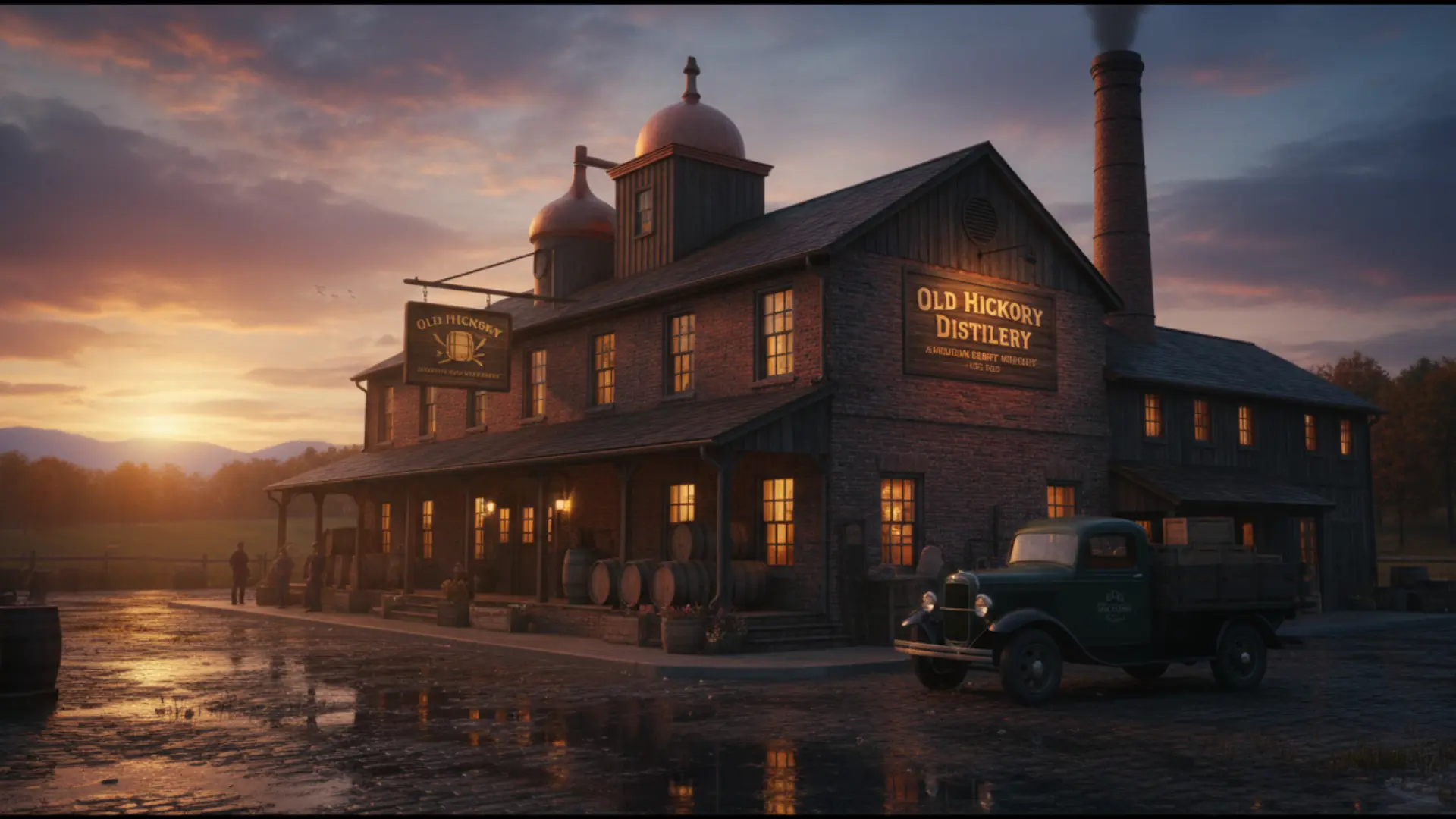
America’s spirits industry might need more than a stiff drink to cope. Multiple distilleries have filed for bankruptcy in 2025, with the latest being Ohio’s A.M. Scott Distillery, while even giant Jim Beam pauses main production amid slumping demand and trade woes.
The ripple effects are pouring across the industry, leaving jobs in limbo and shelves potentially thinner. Smaller craft producers face the harshest squeeze, restructuring debts while hoping for a rebound that feels as distant as last call.
Larger players like Jim Beam adjust by shifting operations and upgrading facilities, but the pause signals caution in an era where consumers sip less freely. Exports have taken a hit too, with international buyers turning elsewhere after tariff spats.
Brewers share the hangover, with iconic names closing doors and sales dipping. Yet one category raises a glass: ready-to-drink cocktails, quietly gaining ground as the convenient choice for lighter occasions.
A.M. Scott Distillery, a young Ohio operation founded in 2022, filed for Chapter 11 protection just before Christmas. It joins a somber list that includes Luca Mariano in Kentucky, Devils River in Texas, and others scattered from Portland to Boston.
Americans appear to be embracing drier lifestyles. A Gallup poll shows only 54% of adults now drink alcohol, the lowest since tracking began decades ago. Those who partake average just 2.8 drinks weekly, a figure that hasn’t been this modest in nearly thirty years.
Health concerns play a role, alongside tighter budgets in an inflationary world. Exports added to the woes in the year’s second quarter. U.S. spirits shipments fell 9% overall, per the Distilled Spirits Council. The steepest drop hit Canada, down 85% as provinces boycotted American bottles in response to tariffs.
Though some retaliatory measures lifted, habits shifted toward local options. Jim Beam, the bourbon behemoth, announced a production pause at its historic Clermont distillery starting January 2026. Company officials cited aligning output with demand while investing in upgrades.
Bottling and tours continue, keeping the visitor experience flowing. Across the border in beer land, challenges ferment similarly. Rogue Ales, an Oregon pioneer known for bold experiments, abruptly closed in November.
The Iron Hill chain filed for protection amid broader pressures. Brewers Association data tracks more closings than openings for a second year. Sales figures from NIQ confirm the trend: spirits down 2.8%, beer 3.1%, wine a steeper 5.9% in the first half.
Consumers seem content with fewer pours, perhaps savoring quality over quantity. Or simply reaching for water more often. Amid the declines, ready-to-drink cocktails edged up 1.7%, offering grab-and-go ease.
Producers adapt by innovating flavors and leaning into premium segments. The industry raises a cautious toast to resilience, hoping next year’s trends prove less sobering.







Leave a Reply