
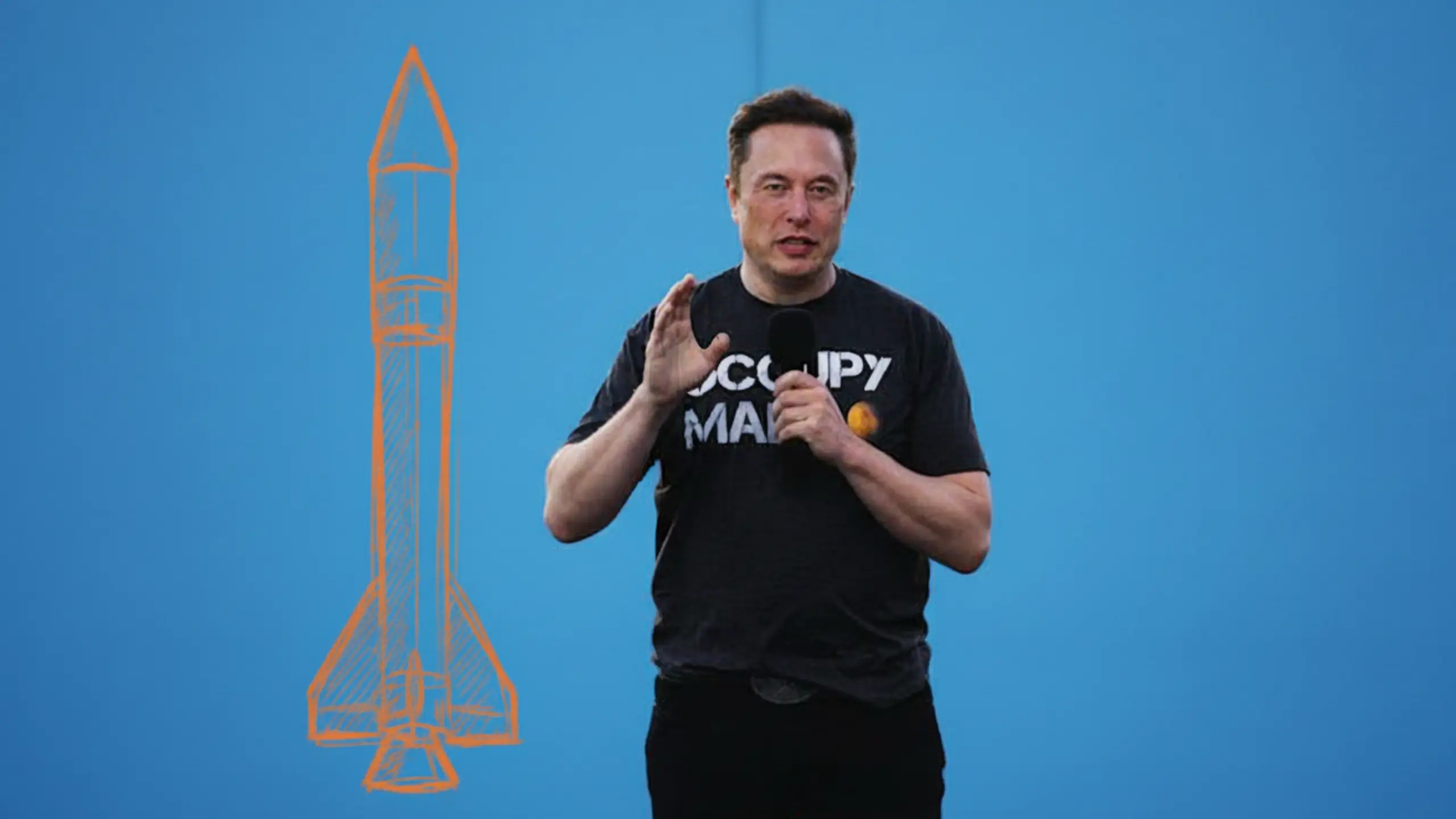
Wall Street is currently looking at a backlog of private companies worth $2.9 trillion with the same hungry desperation a dog reserves for a dropped piece of bacon. The financial world is bracing for a tidal wave of IPOs that threatens to make the California Gold Rush look like a quiet afternoon at a coin collector’s convention.
If these so-called “centicorns” decide to grace the public with their presence, investment bankers will finally be able to upgrade their yachts from “sensible luxury” to “floating sovereign nation.” The collective sigh of relief from fee-starved brokers will likely generate enough wind energy to power the entire Eastern Seaboard, ending a dry spell that has forced many to tragically downgrade to domestic sparkling water.
Meanwhile, retail investors are preparing to throw their life savings at companies they barely understand, driven by a Fear Of Missing Out so potent it should probably be regulated by the FDA. The market is ready to embrace leaders with controversial Twitter habits and profit margins thin enough to use as dental floss, simply because the alternative is holding cash, which is apparently boring.
SpaceX is reportedly eyeing a valuation of up to $1.5 trillion, a number so astronomically large it sounds like a toddler made it up during a high-stakes game of Monopoly.
Investors are desperate to own a piece of Elon Musk’s Mars ambitions, largely because owning a standard S&P 500 index fund does not come with the thrill of potentially exploding rockets.
Bankers are insisting that these mega-listings are totally doable, mostly because they haven’t earned a chunky IPO fee since 2021 and are beginning to forget what caviar tastes like.
The current private valuations are so swollen they look like they’ve had an allergic reaction to reality, yet eager buyers seem unbothered by the lack of quarterly financial scrutiny.
Paul Abrahimzadeh of 1789 Capital noted that a company like SpaceX is a “must-own,” presumably because “might-own” does not generate enough adrenaline for institutional traders.
Musk has previously claimed SpaceX won’t IPO until it’s flying to Mars regularly, which is great news for shareholders who enjoy investment horizons measured in geological epochs.
However, the allure of raising $75 billion in a single day might just change his mind, as that buys a staggering amount of rocket fuel and perhaps a small country to launch from.
Some killjoy analysts worry about Musk running Tesla, SpaceX, xAI, and a social media platform simultaneously, wondering if he has discovered a way to clone himself or simply stopped sleeping in 2014.
UBS’s Steve Studnicky suggests that private companies are realizing the public market is actually quite nice, offering a path to listing that coincidentally allows early investors to finally buy their private islands.
If investors skip an IPO of this magnitude and it succeeds, they face “significant challenges,” which is corporate speak for “getting fired by angry clients for missing the boat.”
Morgan Stanley’s Colin Stewart warns that infrastructure must handle these massive events, implying the trading computers might just catch fire out of sheer exhaustion.
Direct listings are also on the table for companies that don’t need cash but have early employees who would very much like to buy Lamborghinis now, please.
For portfolio managers sitting on billions in private assets, the pressure to return cash to investors is rising faster than a Starship booster.
Morgan Stanley’s Stewart notes that liquidity is great until it isn’t, reminding everyone that economic downturns have a nasty habit of showing up uninvited like in-laws during the holidays.
Ultimately, the market is shouting “just go public,” preferring the chaotic judgment of the ticker tape to the awkward silence of a frozen private fundraising round.




Leave a Reply