
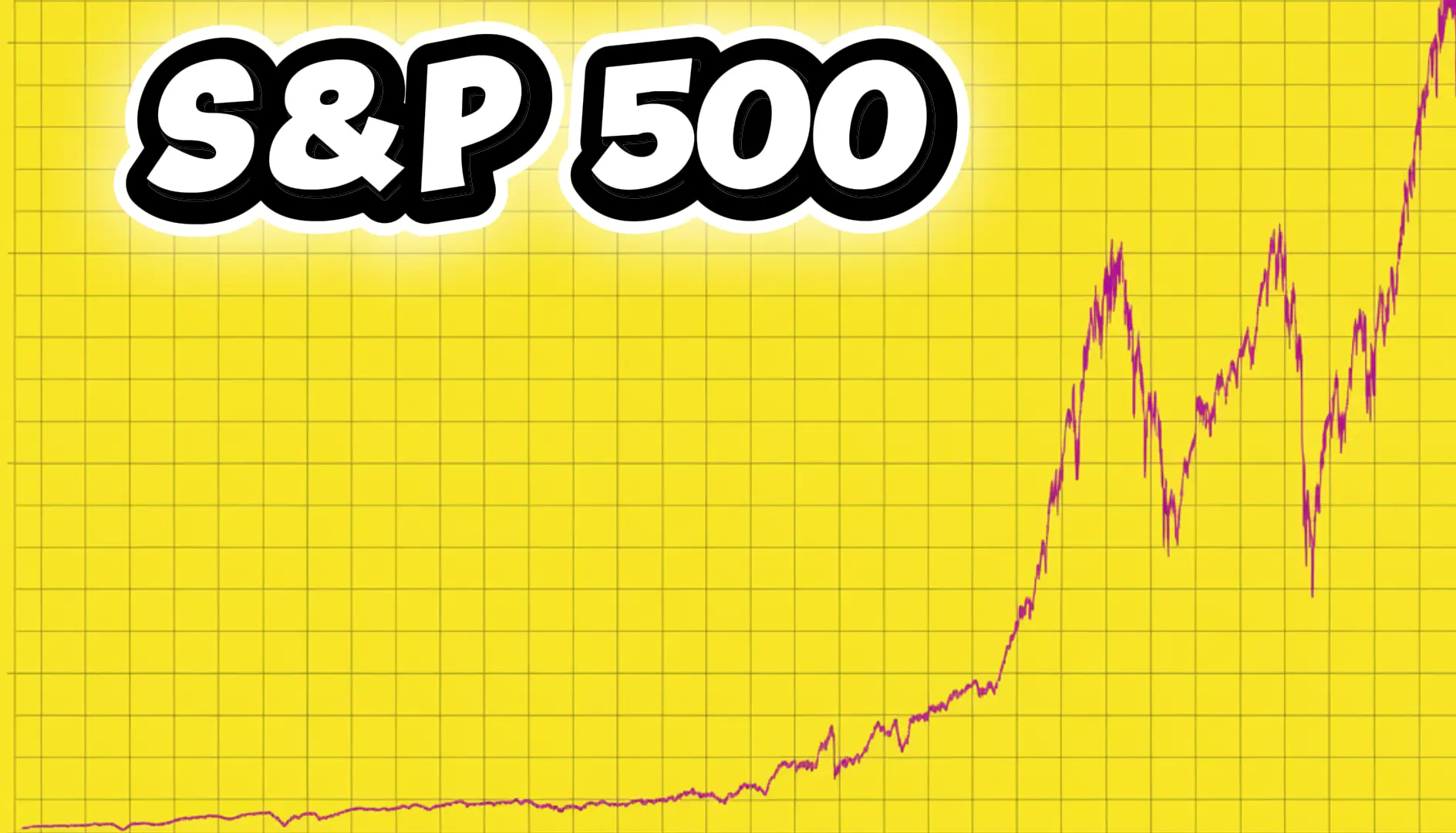
The S&P 500 tiptoed to a fresh all-time high on December 12, 2025, without the usual confetti of investor mania. It’s the first record in six weeks, proving even bull markets occasionally hit snooze.
This subdued summit could mean more champagne for portfolios into 2026, as Wall Street’s dry powder—think investors with cash still tucked away like forgotten gym memberships—hints at a year-end sprint that won’t leave anyone gasping for breath.
Picture the ripple: broader gains lifting everyday stocks, not just tech titans, potentially padding retirement nests without the hangover of an AI-fueled bubble burst. Economists whisper of a U.S. growth surge, turning what could have been a holiday yawn into a festive profit party for the average Joe.
Back in late October, the S&P 500’s last high rode a wave of pure glee, fueled by blockbuster earnings and AI dreams that had traders toasting like it was New Year’s Eve in July. Fast-forward six weeks, and the vibe is more cocktail hour than rager—calm, collected, and curiously bullish.
Ned Davis Research’s sentiment gauge, that unflappable barometer of 20 market mood swings, hovers below 62.5, the threshold where optimism tips into overdrive. It’s like the market’s wearing sensible shoes to the dance, ready for a twirl without twisting an ankle.
The shift? Blame—or thank—the Federal Reserve, which sliced rates by a quarter-point on Wednesday, signaling smoother sailing ahead. Investors have swiped right on sectors beyond Big Tech, from sleepy utilities to industrious factories, as whispers of an AI bubble fade into chatter about America’s economic glow-up.
Ed Clissold, Ned Davis’s chief U.S. strategist, nails it: strong earnings and a resilient economy mean this tepid enthusiasm is the secret sauce for upside. “Sentiment nowhere near euphoric implies more room to run,” he says, sounding like the cool uncle who knows when to quit while ahead.
Barclays’ Equity Euphoria Indicator agrees, steady as a metronome but far from October’s fever pitch, leaving “dry powder” for a potential dash to the finish line. Deutsche Bank’s data shows discretionary investors hovering just above neutral on stocks—cautious, like sampling the dip before committing to the whole chip bowl.
London Stockton, a Ned Davis analyst, adds the cherry: no wild-eyed tops in sight, just a hopeful trend, seasonal tailwinds, and a Fed that’s more fairy godmother than grim reaper. It’s the kind of backdrop that has bulls low-key high-fiving under the table.
Thursday’s close capped a 17% yearly romp for the S&P 500, sparked by Fed Chair Jerome Powell’s nod to economic grit. But peek beneath the hood, and the rally’s gone democratic—Goldman Sachs’ Cyclicals vs. Defensives basket notched its 13th straight win, a streak longer than most New Year’s resolutions.
Goldman’s Lee Coppersmith quips it’s no fluke: markets are betting on brighter growth before the stats catch up, like arriving early to the best seat in the house. History backs the hunch—since 2007, such cyclical dominance has ushered in median 2% one-month pops and 6% three-month gains for the S&P.
Even the equal-weighted S&P, that great leveler of stock sizes, hit its own record, up 1.6% this month. Small-cap darlings in the Russell 2000? They’ve leaped 3.6% since December’s dawn, outpacing the big boys’ 0.8% stroll.
And the kicker: fiscal tailwinds into 2026, propping up confidence when it might otherwise nap. Coppersmith calls it a timely jolt, ensuring investment doesn’t stall like a car in rush-hour gridlock.
In this market, where highs feel humble and breadth beats bling, Wall Street’s scripting a sequel that’s less blockbuster, more sleeper hit. Investors, take note: sometimes the quiet climbs lead to the tallest peaks.






Leave a Reply