
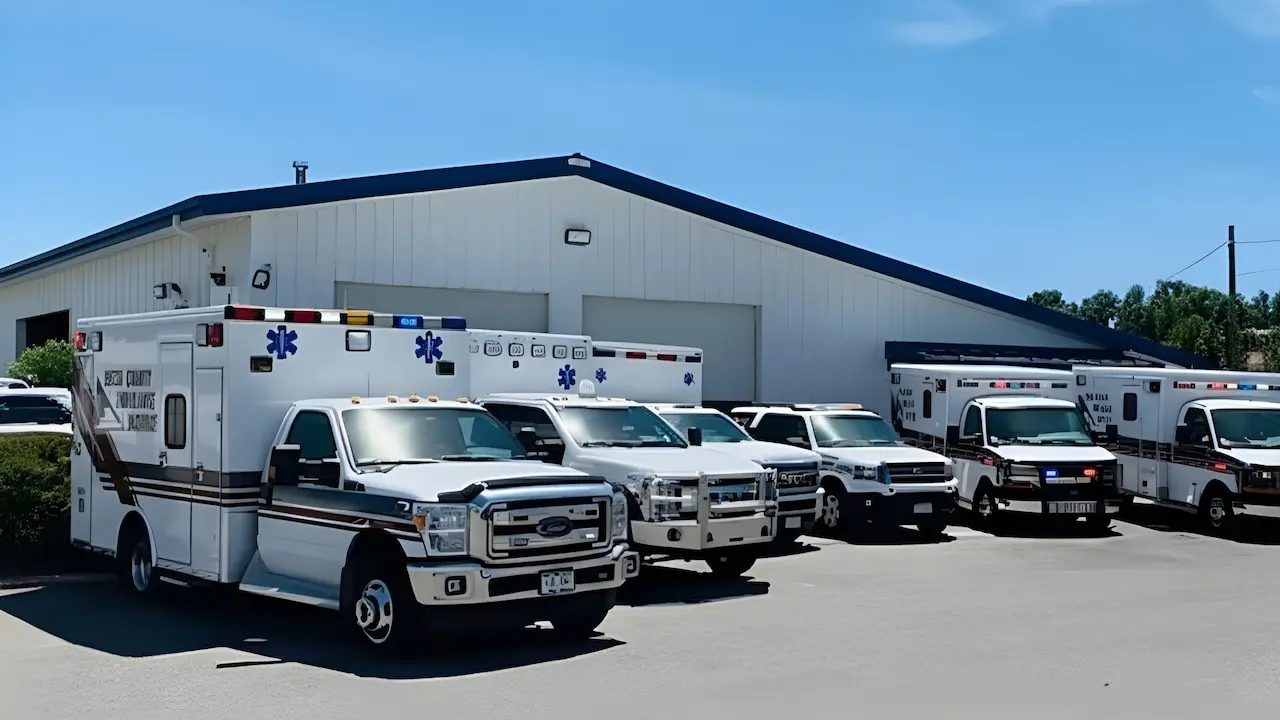
In rural Ashtabula County, where the nearest hospital can feel like a neighboring state, local ambulance leaders are eyeing a statewide push to abolish property taxes with the wary gaze usually reserved for overdue bills.
If the proposed constitutional amendment makes the 2026 ballot and passes, these districts could lose up to 70% of their funding overnight, turning reliable emergency response into a fiscal game of chance.
The potential budget devastation comes as call volumes hit record highs and equipment costs climb faster than a paramedic up a flight of stairs.
District administrators warn that without property tax levies, paying staff and replacing ambulances – now priced at $336,000 each with a three-year wait – would become as tricky as navigating country roads in a blizzard.
Vince Gildone, executive director of Northwest Ambulance District, called the loss “devastating,” noting they must still “pay our people” even if revenue vanishes.
His counterpart at South Central Ambulance District, Shaun Buehner, faces similar headaches after calls skyrocketed from 162 in 2018 to 2,025 in 2025.
Northwest handled 2,402 runs last year, a slight dip from 2024, yet demands for everything except overdoses surged.
Both districts, celebrating 50 years of service alongside Jefferson Emergency Rescue District, rely heavily on voter-approved property tax levies that communities have consistently supported.
Billings bring in only about $600,000 annually for Northwest, a modest supplement to the property tax lifeline. Rural residents often face lengthy trips to hospitals in Ashtabula, Geneva, Chardon, or even Pennsylvania.
Gildone observed that callers now treat ambulance rides like a divine entitlement for any hospital transport, no matter how minor. This shift has doubled overlapping calls in the same hour, straining crews and rigs alike.
Buehner noted increased mutual aid requests, especially to southeast county areas short on service. Ambulance costs have nearly doubled since 2017, excluding essential gear.
Delivery delays stretch years, leaving districts planning replacements like chess masters. Jake Rice of Jefferson Emergency Rescue District saw a 15.5% jump in runs last year.
He understands taxpayer frustration with rising bills yet hopes reforms preserve emergency coverage without gaps.
Administrators float ideas like exempting safety services or boosting Medicaid reimbursements to match Medicare rates. They also decry how tax rebates sometimes sideline ambulance funding.
Sales tax hikes as replacements have flopped at the polls before.
Gildone summed up the precarious balance: districts pay bills today but remain “one levy away” from trouble. Communities have backed levies reliably.
Leaders hope voters and legislators keep the system humming, ensuring sirens still wail promptly when needed. In these quiet corners of Ohio, where farms outnumber traffic lights, the debate over property taxes suddenly feels very personal.
No one disputes the need for relief from escalating bills. Yet erasing the main funding source for lifesaving services might leave everyone waiting longer for help – a delay no one can afford.








Leave a Reply