
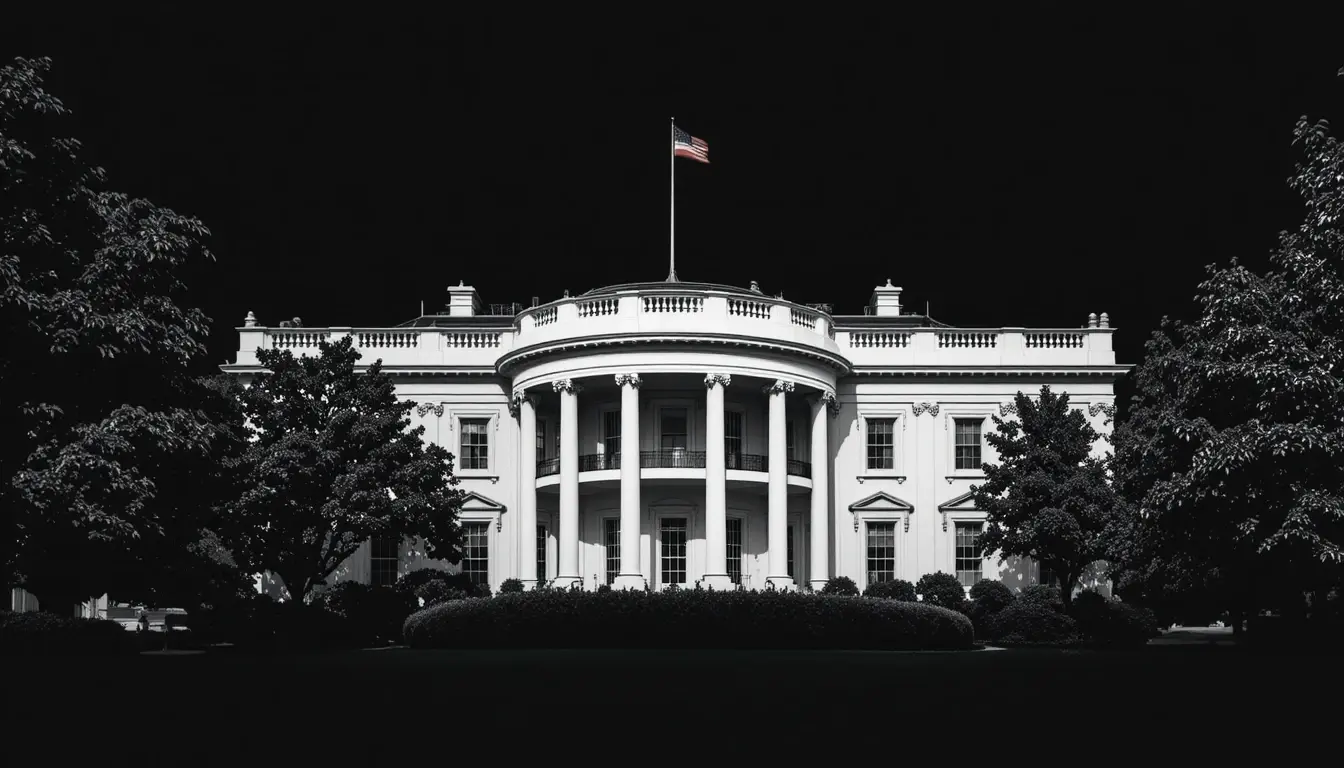
U.S. government is barreling toward a midnight shutdown on Wednesday, unless Congress magically conjures up an appropriations bill to keep the lights on. Picture this: the world’s biggest bureaucracy grinding to a halt because 47 senators apparently forgot how to count to 60.
Republicans, who hold the House, Senate majority, and White House like a winning poker hand that’s missing half the chips, are scratching their heads over the math.
With just 53 Senate seats, they need seven more votes to advance their short-term spending Band-Aid, but Democrats are treating the deadline like a Black Friday sale—demanding reversals on July’s Medicaid cuts and extensions for healthcare tax credits.
It’s the kind of leverage play that makes hostage negotiators jealous. Neither side is budging, turning Capitol Hill into a staring contest where the loser gets to explain empty federal coffers to irate constituents.
Enter the ripple effects, because nothing says “economic powerhouse” like a government-induced game of musical chairs with jobs. Federal agencies, the nation’s largest employer, are dusting off layoff notices for anything deemed “nonessential”—whatever that means when your boss won’t define priorities.
The White House, ever the picture of transparency, politely ignored requests for clarification, leaving everyone to guess if “essential” includes the guy who prints those “In God We Trust” stamps on dollar bills. Ironic, isn’t it? The one entity trusted with our trust issues is playing coy.
These potential cuts would roll out via Reduction in Force—or RIF, because acronyms make mass layoffs sound like a fun outdoor activity. But hold the pink slips: experts like Daniel Hornung from Stanford’s economic think tank say the White House lacks the legal mojo to pull it off during a shutdown.
“No authority for RIFs here,” Hornung quipped to reporters, predicting a courtroom cage match that could drag on longer than a filibuster about filibusters. Even if judges slam the brakes, the uncertainty alone is enough to make federal workers stash their credit cards deeper than a squirrel hoards acorns.
Economist Michael Klein from Tufts University paints a vivid picture of the fallout: furloughed folks skipping that new fridge because tomorrow might bring a resume rewrite. “Consumers will tighten belts faster than a politician spotting a camera,” Klein noted, warning that delayed spending on big-ticket dreams could chill the economy like a DC winter without heat.
And let’s not forget the cherry on this chaotic sundae: over 150,000 federal workers are already waving goodbye this year via buyouts, the biggest exodus since the days when typewriters roamed the earth. That’s deferred exits keeping payrolls plump until September’s end, turning the workforce into a revolving door on steroids.
During the shutdown itself, “nonessential” staff—think everyone from park rangers to passport stampers—face furloughs until Congress remembers how to adult. Essential workers soldier on, protecting borders and air traffic, because apparently, chaos has its VIP list.
Picture the scene: Smithsonian museums go dark, tax refunds hit pause, and national parks turn into “enter at your own risk” ghost towns. One ironic twist? The shutdown might finally force politicians to negotiate over coffee instead of catered luncheons—talk about belt-tightening at the top.
As the clock ticks toward 12:01 a.m. Wednesday in D.C., the only sure bet is that American taxpayers will foot the bill for this partisan piñata party. In the end, if Congress doesn’t patch things up, we might all learn the hard way that the real nonessential activity is trusting D.C. deadlines—right before the next “emergency” spending spree kicks in like clockwork.






Leave a Reply