
China has tightened the screws on rare earth mineral exports, prompting President Donald Trump to wave his tariff wand like a grumpy wizard threatening to skip a playdate with President Xi Jinping.
This metallic standoff isn’t just about shiny rocks—it’s the secret sauce in your smartphone and the high-tech heart of F-35 jets, leaving the US pondering life without its favorite Earthly indulgences.
The drama unfolded Thursday when Beijing slapped new export licenses on five more rare earth elements—holmium, erbium, thulium, europium, and ytterbium—pushing the restricted tally to a dozen, plus magnets and manufacturing tech. It’s like China whispering, “You want reciprocal tariffs? Fine, we’ll reciprocal your gadgets into obsolescence.”
Trump, never one to back down from a good tweet-storm, fired back with vows of economic Armageddon and a coy hint at ghosting Xi during his Asia jaunt. “They violated the truce,” he grumbled on Truth Social in June, as if rare earths were the forbidden fruit in this Eden of endless iPhone upgrades.
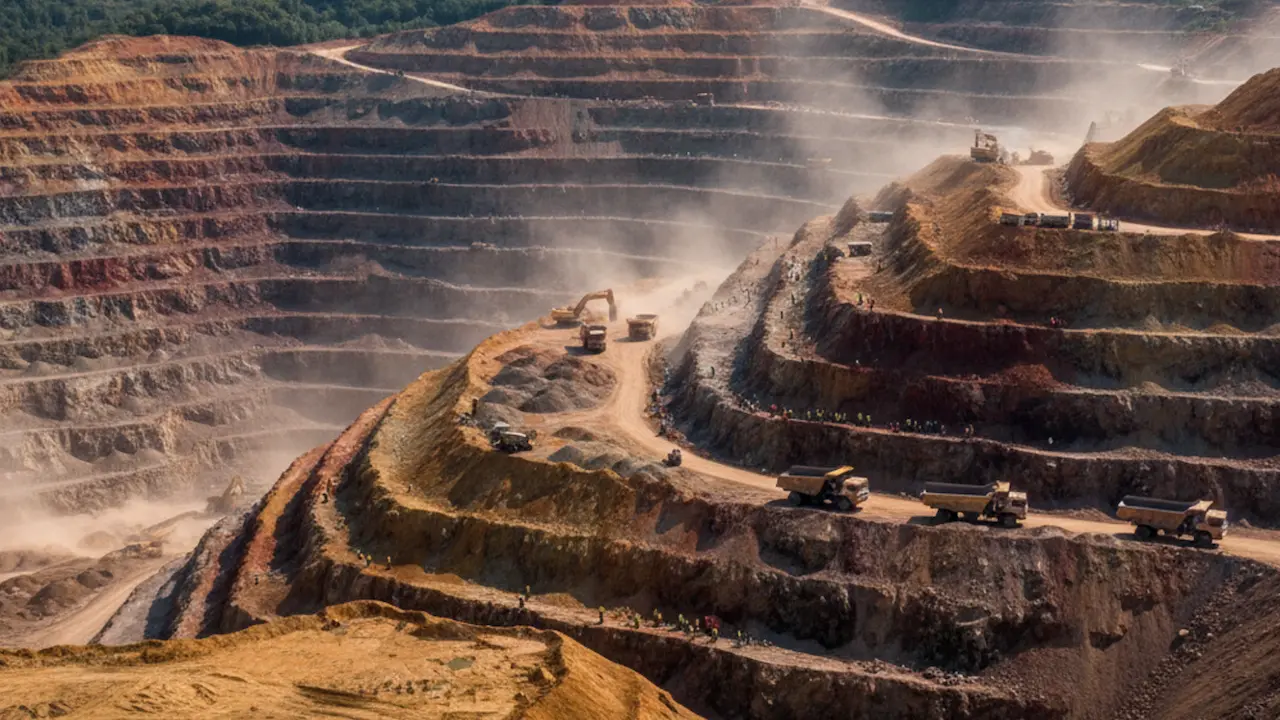
But let’s rewind this geological grudge match. Rare earths—those 17 cheeky periodic table misfits including scandium, yttrium, and the lanthanides—sound exotic, like unicorn dust. In truth, they’re more common than a bad sequel, scattered across the Earth’s crust like forgotten confetti, just stubbornly expensive and eco-nightmarish to mine.
Picture this: your morning coffee via smartphone alarm? Rare earths. That wind turbine twirling like a tipsy ballerina? Rare earths. Even your doctor’s MRI peering into your soul—yep, those sneaky metals again. And don’t get us started on electric car batteries zipping silently past gas-guzzlers, or cancer treatments zapping tumors with laser precision.
The military angle adds a dash of James Bond flair. According to a 2025 CSIS note, these elements power everything from submarine stealth to Tomahawk missiles’ pinpoint politeness. Without them, Uncle Sam’s arsenal might as well be armed with slingshots and spite.
China, the undisputed kingpin, mines 61% of the world’s stash and processes a whopping 92%, per the International Energy Agency. It’s like they cornered the market on fairy dust while the rest of us were napping through geology class.
The US? We’ve got one lone ranger mine in California, heroically churning out heavy rare earths—the scarcer, sassier variety. Until recently, we’d ship our haul to China for separation, like sending laundry to a neighbor who charges in tariffs.
Gracelin Baskaran, director of CSIS’s Critical Minerals Security Program, nailed it to CNN: “China’s shown a willingness to weaponize our reliance.” It’s the ultimate irony—America, land of the free, outsourcing its mineral mojo to the very rival it’s tariff-tangoing with.
This latest clampdown follows a Geneva truce where US officials dreamed of loosened belts on exports. Instead, Trump’s April “reciprocal” tariffs—sky-high levies on Chinese goods—lit the fuse, derailing hopes faster than a delayed flight.
Now, with the APEC summit in South Korea looming, Xi and Trump eye each other like poker players bluffing over a pot of praseodymium. Beijing’s move escalates the trade war between the planet’s economic titans, where 70% of US rare earth imports from 2020-2023 hailed from China, USGS reports.
Experts whisper of diversification dreams: Australia, maybe Vietnam, stepping up like understudy actors. But building processing plants? That’s a decade-long dirge of regulations and rabbit holes.
In the end, this rare earth rumble reminds us that beneath the bluster, our hyper-connected world dangles by a thread of tantalizing metals. Trump might tweet his way to a deal, or we could all pivot to carrier pigeons and candlelight. Either way, pass the popcorn—this trade war’s got more twists than a lanthanide lattice.



Leave a Reply