
Wall Street, still buzzing from Amazon’s earnings-fueled joyride, woke up to a cocktail of Fed finger-wagging and a Trump-Xi trade tango that promises more sizzle than steak.
Investors, nursing hangovers from last week’s Nasdaq surge of over 2.5 percent, now face a November packed tighter than a Black Friday line—earnings from AI darlings like Palantir, AMD, Supermicro, and Constellation Energy, plus dozens more S&P 500 heavyweights.
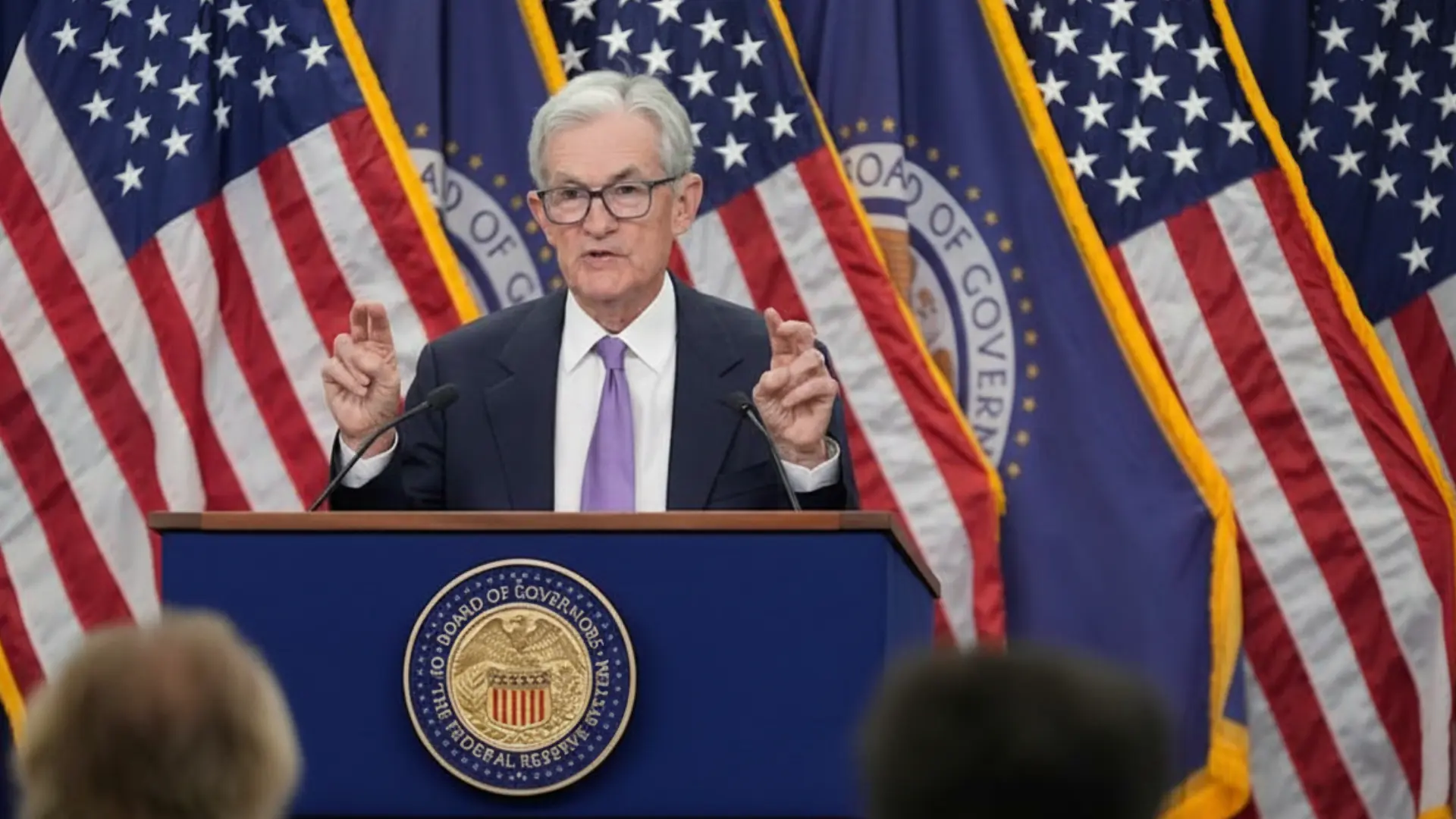
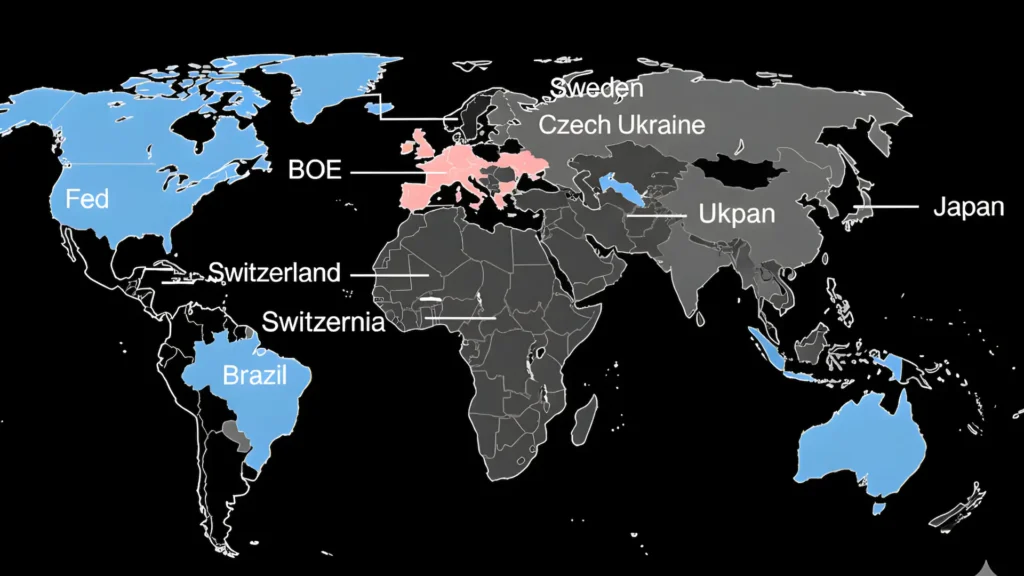
The Federal Reserve obliged with its anticipated quarter-point rate cut last week, a move as predictable as pumpkin spice lattes in fall. But Chair Jay Powell turned the post-meeting presser into a splash of reality, declaring a December encore “not a foregone conclusion, far from it.”
Bank of America analysts dubbed it the “real fireworks,” as Powell doused hopes for easy money like a kid with a garden hose at a barbecue. Markets, ever the optimists, had priced in near-certainty for another trim; now, traders see just a 63 percent shot, down from 95 percent faster than a stock tip gone sour.
Dissent flew thicker than confetti at a parade—Fed Governor Stephen Miran pushed for a bolder 50 basis points, while Kansas City Fed President Jeff Schmid dug in his heels for zero action. By Friday, Schmid had three colleagues nodding along, turning the FOMC into what BNP Paribas called a “rowdy and disorderly” family reunion where everyone’s yelling over the turkey.
Without fresh economic data—thanks to the government shutdown delaying jobs reports for a second month—the Fed’s crystal ball is about as clear as a foggy windshield. Wednesday’s ADP private payrolls peek becomes the week’s labor lifeline, while ISM and S&P Global flash manufacturing and services vibes midweek, capped by Michigan’s consumer sentiment sneak on Friday.
Enter President Trump, fresh from South Korea, where his summit with Xi Jinping birthed a deal so rosy he rated it a “12 out of 10” to reporters on Air Force One. Terms span rare earth metals, soybeans, fentanyl tariffs, and port fees, with the U.S. slashing fentanyl levies in half—dropping overall China tariffs from 57 to 47 percent—and China pledging a three-year, 25-million-ton soybean splurge.
U.S. farmers, starved since China’s buying pause, might finally dust off their pitchforks for a victory lap. Yet whispers from Macquarie analysts remind us: Phase One in 2020 fizzled, with China grabbing just over half the promised $200 billion in U.S. goods while tariffs lingered like unwanted houseguests.
This pact sidesteps TikTok bans and Taiwan tensions, rehashing summer’s status quo more than rewriting the script. Bank of America hails it for trimming “tail risks,” but will Nvidia’s Blackwell chips waltz into China unscathed? Trump shrugged it off: not on the agenda.
Markets blinked at the framework, hot on the Fed’s heels—tech cheered Amazon’s late Thursday boost, but the broader mood soured like day-old leftovers. S&P 500 and Dow limped up a tame 1 percent, as if politely applauding a magic trick that fizzled mid-air.
Will Powell wrangle his fractious flock, or will Schmid’s crew stage a full mutiny? Investors, eyeing November’s historical halo—BofA quips “buy Halloween or Christmas Eve for that New Year’s toast”—wonder if earnings euphoria can outrun Fed frostbite.
And the trade deal? It could fatten soybean silos or join the graveyard of good intentions. As one analyst dryly noted, Beijing’s commitments have the stickiness of wet noodles. With eight weeks left in 2025, Wall Street’s calendar overflows: AI reports promising silicon fireworks, data dribbles amid shutdown snags, and a global handshake that might just slip away.
For now, traders huddle over screens, half-expecting Powell to moonwalk back his warnings or Trump to tweet a soybean selfie. In this circus of cuts and handshakes, one truth endures: Betting on markets is like dating—full of promise, prone to ghosting, and occasionally worth the popcorn.

Leave a Reply