
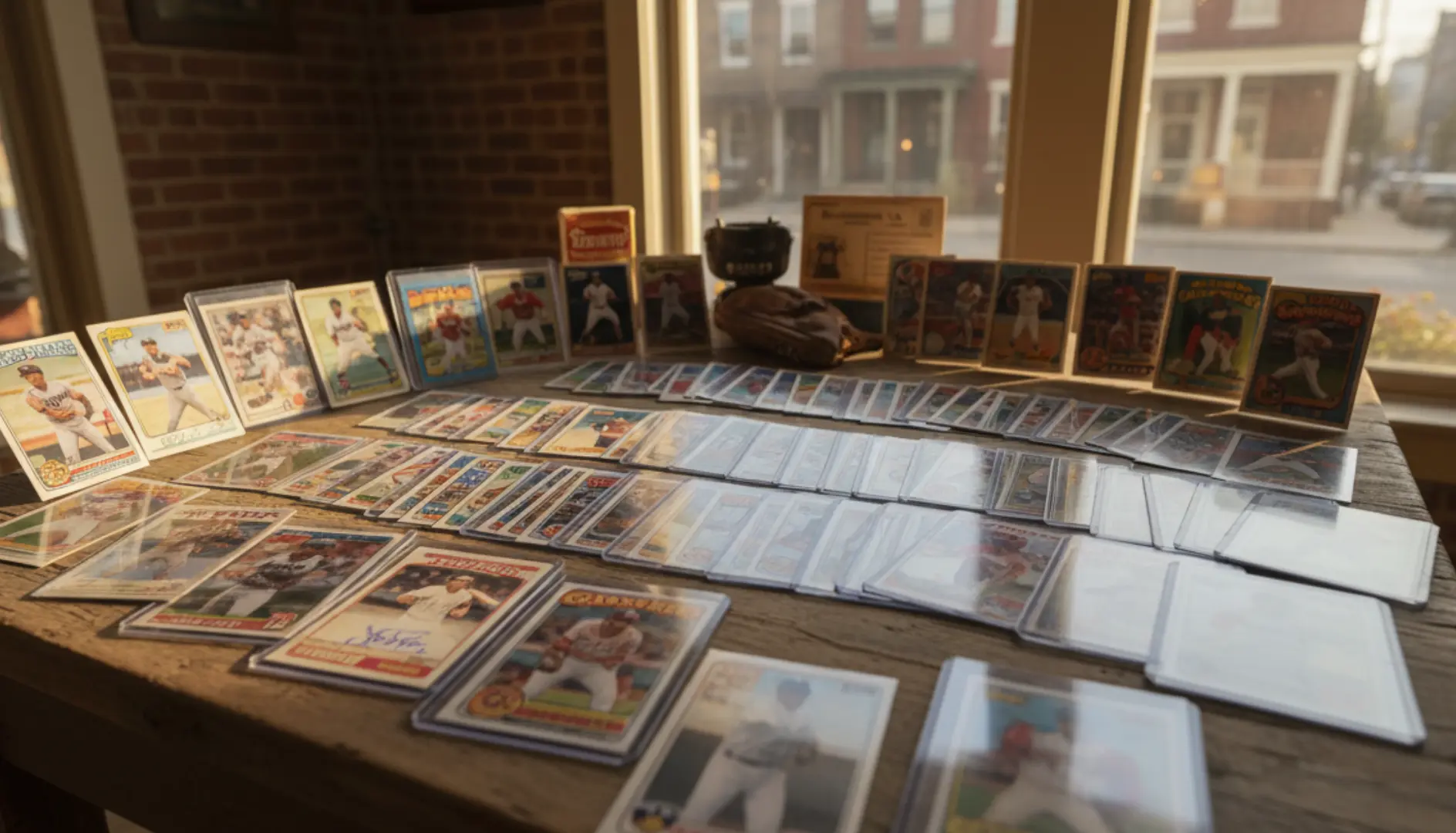
In an era where eyeballs are glued to glowing rectangles and algorithms dictate our doom-scrolling destiny, trading cards—those humble rectangles of laminated whimsy—are staging a rebellion.
Sales are surging like a caffeinated squirrel, with retailers scrambling to stock shelves before the holiday hordes descend, turning what was once a playground currency into the hottest ticket for grown-ups dodging adulting.
Target’s trading card empire is expanding faster than a kid’s wishlist on Christmas Eve. Executive VP Rick Gomez boasts of weekly “exclusive drops” designed to keep demand bubbling like an overfilled bubble bath, predicting the category will eclipse $1 billion in annual revenue—because nothing says “festive cheer” like a foil-wrapped surprise that might one day fund your retirement, or at least a decent pizza night.
Strategic trading card sales, the brainy battle ones minus the sports sweat, have skyrocketed 103% year-to-date through August, per Circana’s eagle-eyed trackers.
Meanwhile, the non-strategic crowd—think Pokémon parades and pop culture pilgrims—clocked a respectable 48% bump, proving that even in a digital deluge, nothing beats the thrill of ripping open a pack and feigning indifference over a holographic holofoil.
Online? It’s pandemonium with a price tag. Walmart Marketplace reports a 200% leap in trading card sales from February 2024 to June 2025, with Pokémon packs multiplying like mischievous Meowths—up over tenfold year-over-year.
They’ve even roped in influencers for weekly livestreams on sports collectibles, because apparently, nothing bonds a family like debating the merits of a rookie quarterback’s rookie card while live-tweeting the drama.
Blame it on the millennials and Gen Z crew, those nostalgia ninjas who’ve turned binders into bunkers against the bleak economy. Circana’s Juli Lennett nails it: these cards whisk adults back to a worry-free wonderland, an “affordable luxury” where the only recession is the one in your reluctance to share that ultra-rare Pikachu.
Finally, with their own wallets whispering “yes,” they can amass the collections their pint-sized selves could only drool over from afar.
And oh, the investment allure—it’s practically Wall Street with wizard sleeves. Pokémon cards have dished out a jaw-dropping 3,821% cumulative return since 2004, per Card Ladder’s index, as reported by the Wall Street Journal.
Stores are slapping limits on pack purchases—two per customer—to fend off flippers, ensuring the average Joe gets a shot at speculative glory without battling eBay sharks at dawn.
Yet, not all is glitter and Charizard cheers. Circana whispers a cautionary quip: 19% of adults snagged Pokémon cards for themselves in the last six months, hinting that holiday gifting might lag like a lagged-out Fortnite server.
Lennett shrugs it off with wry wisdom: sure, the growth is steady, but these buyers are mostly self-indulgent squirrels stashing nuts for winter, not Santa’s elves wrapping joy for juniors.
What cards lack in tinsel-town seasonality, they make up in steadfast sparkle. Unlike yo-yo trends that flop by February, these bad boys sell as briskly in sweltering July as in December’s chill, shielding retailers from the feast-or-famine folly of holiday hype.
Target’s Gomez gloats over their bold displays and assortment avalanche, declaring the frenzy far from fizzling—it’s fizzing like a fresh soda, drawing in solo collectors, family flocks, and teens tackling NFL packs with the fervor of future fantasy league lords.
Pokémon reigns supreme, shattering the $1 billion barrier last year as the first U.S. toy brand to flex that fiscal muscle, Circana crows. Sports cards are hot on the heels, especially for teen boys channeling their inner gridiron guru, while even Taylor Swift gets the glossy treatment—because if you’re gonna stan, why not sleeve it?
Vintage cards, those dusty relics from the pre-1970s era, remain the wallflowers at this millennial mixer. Bleecker Trading’s CEO Matthew Winkelried confesses: Gen Z and Alpha pups aren’t rummaging through ’60s stacks unless a Mickey Mantle miracle materializes, and even then, the sky-high scarcity turns entry into an exercise in existential wallet weeping.





Leave a Reply