
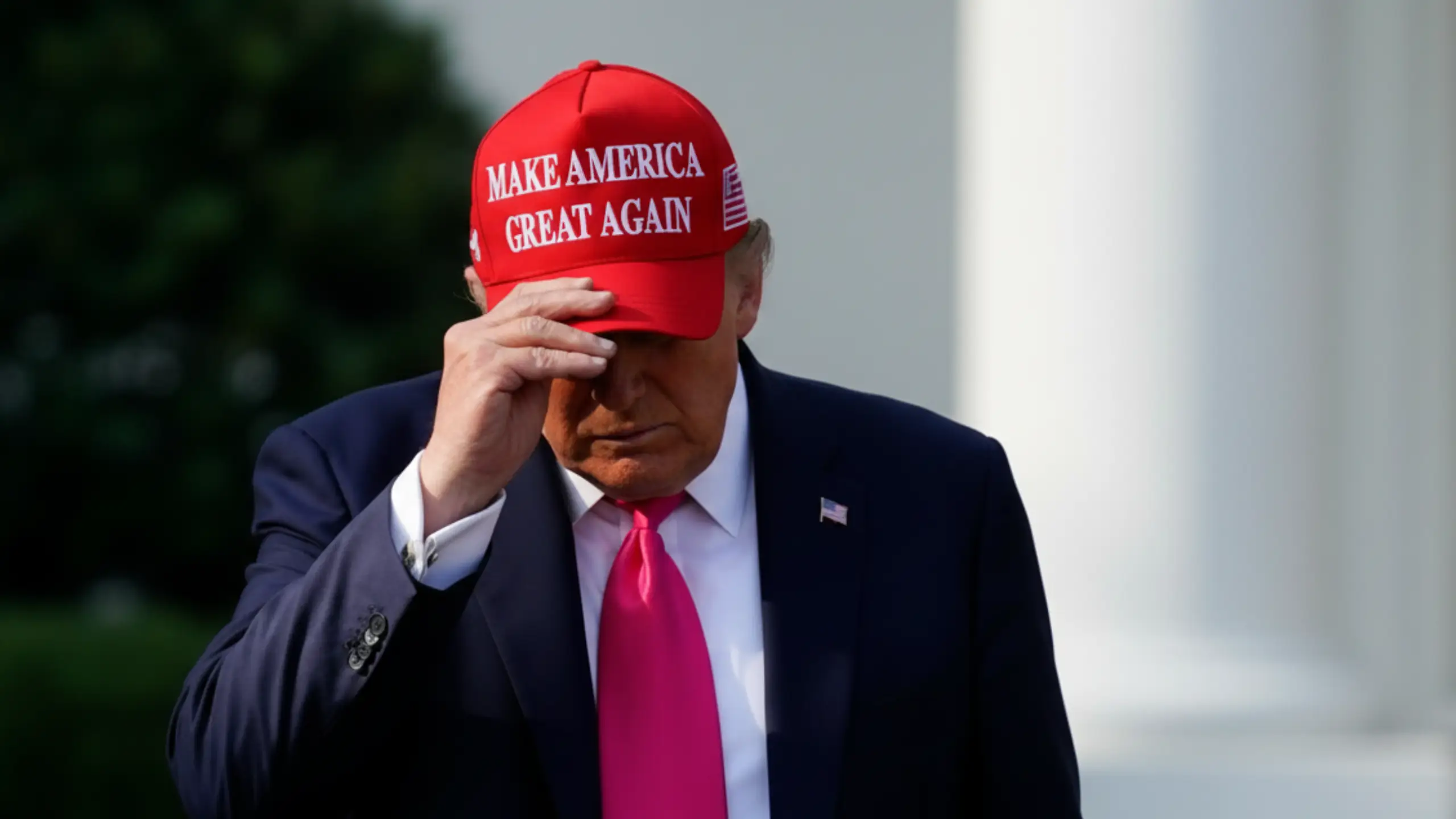
President Trump has elevated foreign meddling to an art form—openly prodding allies with social media posts, surprise videos, and a national security strategy that cheers on Europe’s far-right parties. While past presidents preferred covert operations, Trump opts for the spotlight, leaving world leaders scrambling to keep their balance.
European centrist leaders now eye Washington with the same wariness once reserved for Moscow, as Trump’s explicit support for “patriotic” parties threatens to upend decades of stable alliances. In South Korea and South Africa, visiting presidents faced unexpected public grillings that turned bilateral talks into impromptu defense sessions.
The ripple effect? Allies are quietly recalibrating, wondering if the longstanding U.S. role as democracy’s guardian has shifted to something more selective—and selectively disruptive.
President Trump’s approach to international relations has always favored boldness over subtlety. During Cyril Ramaphosa’s May visit to the Oval Office, Trump dimmed the lights and rolled footage alleging perils to white South African farmers—claims widely debunked as lacking evidence of genocide.
Ramaphosa calmly noted the clips featured opposition voices, not government policy, and pointed out that white officials in his delegation wouldn’t be there if such threats existed. Fast-forward to August, when South Korean President Lee Jae-myung arrived amid Trump’s pre-meeting post hinting at a “purge” over church investigations.
Lee deftly navigated the tension by gifting MAGA cowboy hats and a custom golf putter—props that seemed to remind everyone of shared interests on the fairway. These moments underscore a pattern: Trump deploys surprise tactics to unsettle visitors, testing their poise under pressure.
The administration’s new national security strategy takes this further, warning of Europe’s “civilizational erasure” from immigration and low birthrates. It praises the rise of “patriotic European parties”—a nod to groups like France’s National Rally and Germany’s Alternative for Germany—and pledges to “cultivate resistance” against current trajectories.
Leaders in Paris, Berlin, and London find this particularly puzzling, given America’s 80-year commitment to their postwar stability. Trump isn’t inventing interference; U.S. history brims with examples, from the 1953 Iran coup to Latin American regime changes.
Even Barack Obama caught flak for warning Britain against Brexit, a comment that fueled Leave momentum. Yet Trump’s version stands out for its transparency—no veils, just direct engagement. Supporters highlight cozy ties, like Reagan and Thatcher bonding over conservative revival.
Critics note the overtness amplifies risks, potentially destabilizing partners who share democratic values.
In South Africa, the video session stretched discussions but ended with agreements to keep talking trade. In Seoul, Lee’s gifts smoothed ruffled feathers, shifting focus to economic ties. Across Europe, the strategy’s language has sparked backlash, with officials decrying interference in domestic affairs.
One German lawmaker from a far-right party called it a “reality check,” while mainstream voices urged unity against external prodding. Trump’s style reflects his personality: domineering, unpredictable, and unapologetic. Past presidents meddled quietly; Trump broadcasts it, turning policy into performance.
Whether this yields leverage or isolation remains the open question. Allies adapt with charm offensives or quiet defiance. The global stage watches, amused and apprehensive, as traditional scripts get rewritten—one tweet, one video, one strategy document at a time.






Leave a Reply