
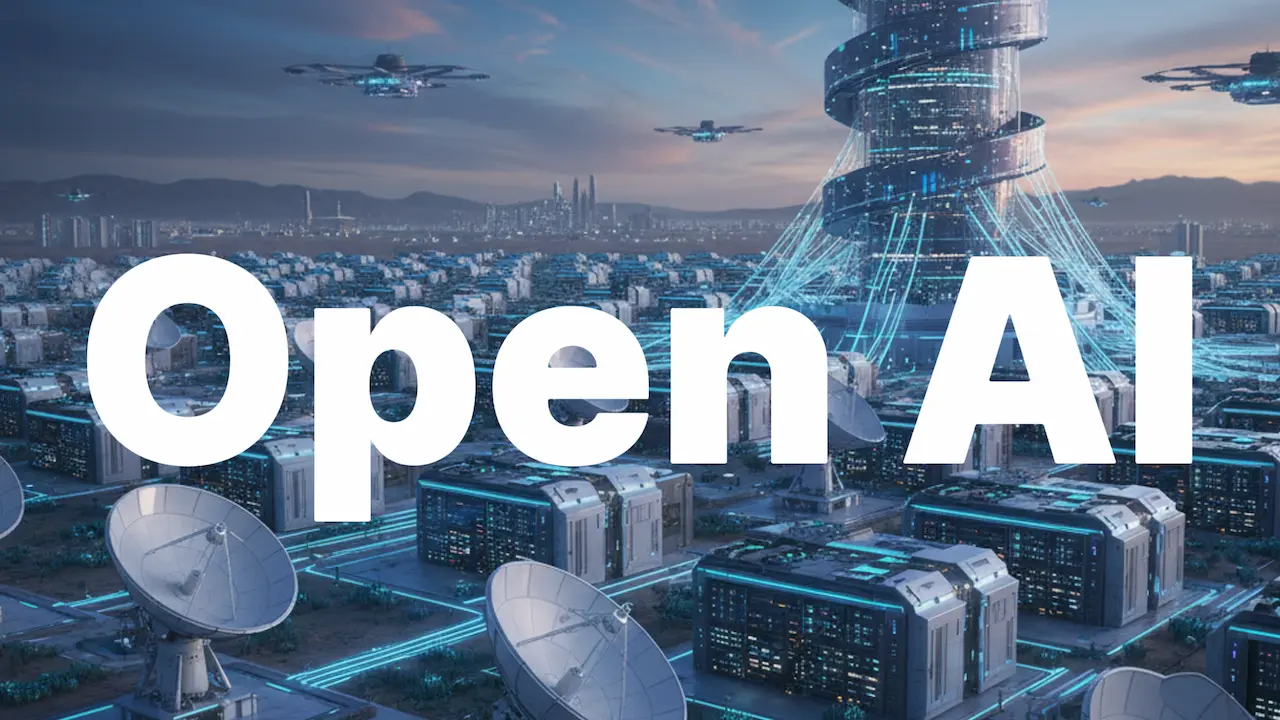
OpenAI has sealed a $6.6 billion secondary share sale, letting current and former employees peddle their stock at a jaw-dropping $500 billion company valuation. It’s the kind of financial fireworks that makes even the most stoic coder ponder early retirement to a yacht named “Promptly Funded.”
Bloomberg broke the news of the deal’s closure, confirming what CNBC had teased back in August: OpenAI was gunning for that half-trillion-dollar tag, with heavy hitters like Thrive Capital, SoftBank, Dragoneer Investment Group, Abu Dhabi’s MGX, and T. Rowe Price piling in like kids at a candy store free-for-all.
Not everyone rushed the buffet, though. OpenAI greenlit up to $10.3 billion in shares—bumping from an initial $6 billion target—but only about two-thirds actually traded hands, leaving $3.7 billion on the table like uneaten hors d’oeuvres at a billionaire’s bash.
Insiders are spinning this as a glowing endorsement, not a fizzle. “It’s like saying, ‘Nah, I’ll save my shares for when we’re worth a trillion—pass the popcorn,’” quipped one source familiar with the chatter, viewing the restraint as a bullish bet on OpenAI’s future, even after rocketing from $300 billion earlier this year.
The tender popped open in early September, exclusively for staffers who’d clutched their equity like a security blanket for over two years. It’s OpenAI’s second big liquidity lap in under a year, hot on the heels of a $1.5 billion SoftBank splash last November—because nothing says “startup life” like turning stock options into actual options for that dream vacation.
This coup vaults OpenAI past SpaceX’s $456 billion perch, crowning it the priciest private company on the planet. Elon Musk’s rocket empire, meet Sam Altman’s algorithm army; may the valuations be ever in your favor.
Abu Dhabi’s MGX couldn’t contain its glee in a statement, gushing it’s “pleased to be a core partner to OpenAI” and eager to nurture that “strong relationship” across funding rounds. Translation: We’re in for the long haul, or at least until the next AI breakthrough buys us all islands.
Yet amid the champagne corks, a shadow looms: the great AI brain drain. Meta’s been flinging nine-figure paychecks like confetti at a talent poach party, luring top researchers with promises of Zuckerberg-level perks—think unlimited LaCroix and a direct line to the metaverse.
OpenAI’s not alone in this employee enrichment tango. It’s joining the private powerhouse parade with SpaceX, Stripe, and Databricks, all peddling secondary sales to let workers cash in without the IPO circus of bell-ringing and regulatory tango.
Why go public when you can stay shadowy and solvent? These deals are the velvet handcuffs of tech: rewarding loyalists with fat checks while whispering, “Stick around, the next valuation bump might fund your grandkids’ robots.”
Critics might call it a bubble waiting to pop, but optimists see it as AI’s awkward adolescence—gangly, overvalued, and prone to mood swings. One thing’s certain: at $500 billion, OpenAI’s not just building the future; it’s pricing it like a luxury timeshare in tomorrowland.
As one bemused ex-employee reportedly texted a friend post-sale: “Sold enough to quit, but stayed for the free pizza. Priorities.” In the end, it’s a reminder that in AI’s mad dash, the real winners aren’t just the code—it’s the coders who remembered to hit “sell.”
Leave a Reply