
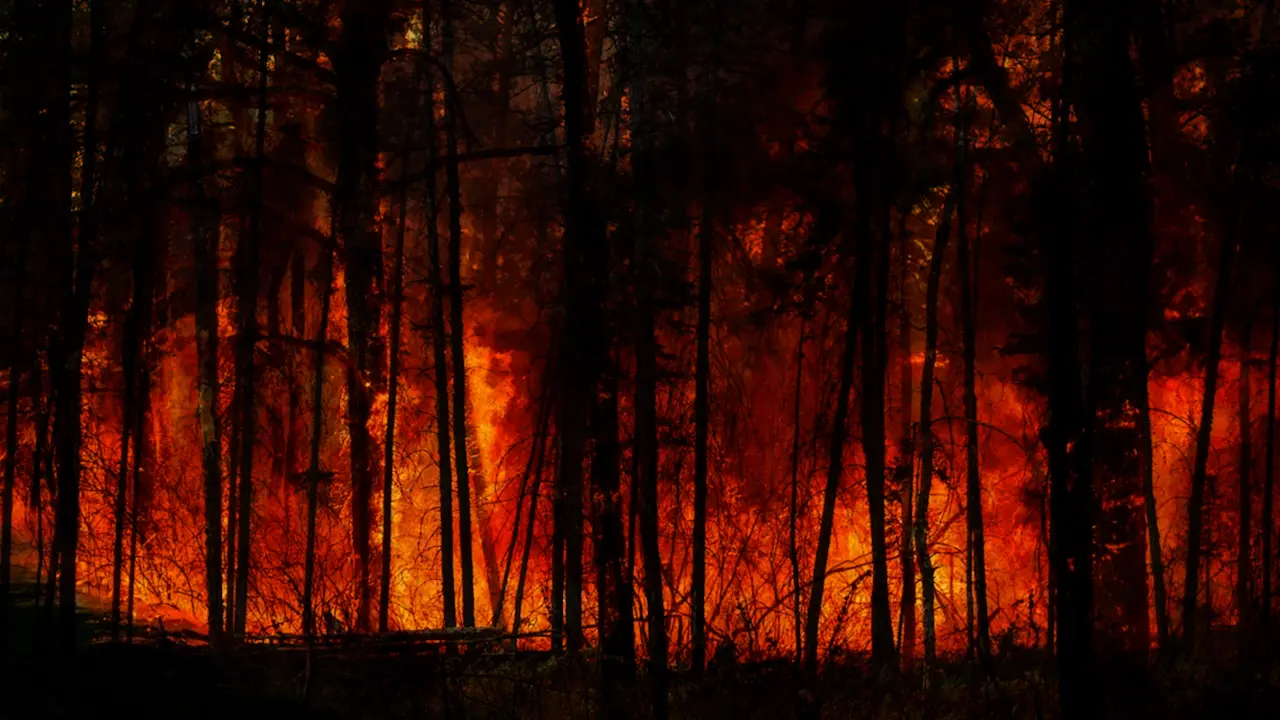
In North Carolina and South Carolina—it’s been rough for so many people there. You know how Hurricane Helene hit back in September? Well, the damage from that storm hasn’t gone away. All those trees that got knocked down during the hurricane are now fueling wildfires, and it’s just one more thing these communities have had to deal with. It feels like they haven’t even had a chance to catch their breath since then.
Bo Dossett, who works with the North Carolina Forest Service, said it perfectly: “This has just been one ongoing crisis.”
He was talking about how hard it is for firefighters right now because of all the debris left behind by Helene. People were already struggling to recover from the hurricane, and now this.
Things aren’t getting any easier either. The National Weather Service put out a red flag warning for parts of western North Carolina, northeast Georgia, and upstate South Carolina.
The air is still so dry, and the winds are picking up—10 to 20 mph, sometimes gusting higher—which makes it way too easy for fires to spread quickly. And that’s exactly what’s happening.
In Polk County, which is about 80 miles west of Charlotte, mandatory evacuations were ordered for 146 properties on Tuesday. There are three big fires burning there, and two of them are completely uncontained.
One of them, the Black Cove Fire, started because a power line fell down. They’re still figuring out what caused the other two. Down in Henderson County, they’ve issued voluntary evacuations and opened an emergency shelter.
Local volunteer fire departments are ready to jump in if needed, especially near homes that could be threatened if the flames suddenly shift.
It’s not just North Carolina, though. In South Carolina, there are two fires burning in the mountains—one at Table Rock State Park and another near Persimmon Ridge.
Together, they’ve burned over 2 square miles, and both were caused by human activity. Thankfully, no injuries or immediate threats to homes have been reported yet, but officials are keeping a close eye on things. They’re telling residents to stay prepared in case conditions change and evacuations become necessary.
The weather forecast isn’t helping much. Over the next few days, humidity levels are expected to stay really low, and the winds won’t let up. That combination is basically a recipe for disaster when it comes to containing these fires.
Even though there’s been some rain lately, most of the Carolinas are still dealing with abnormal dryness and moderate drought. It’s like nature keeps throwing punches, and these folks are just trying to survive.
Robert Scheller, a professor at North Carolina State University, warned this might happen. After the hurricane dumped all those trees on the ground, he said if the weather turned dry, we’d likely see a long and intense fire season.
And here we are. “Helene just dropped tons of fuel on the ground,” he said. Then came the flash droughts, drying everything out fast. It’s almost like the stage was set for this tragedy.






Leave a Reply