
President Donald Trump is stomping his feet, demanding the Federal Reserve slash interest rates faster than you can say “tariff tweet.” But the Fed, cool as a cucumber, is holding steady, eyeing Trump’s policy whirlwind and a spicy new conflict between Israel and Iran.
It’s a wild economic rodeo, and the Fed’s not ready to jump off the fence just yet.
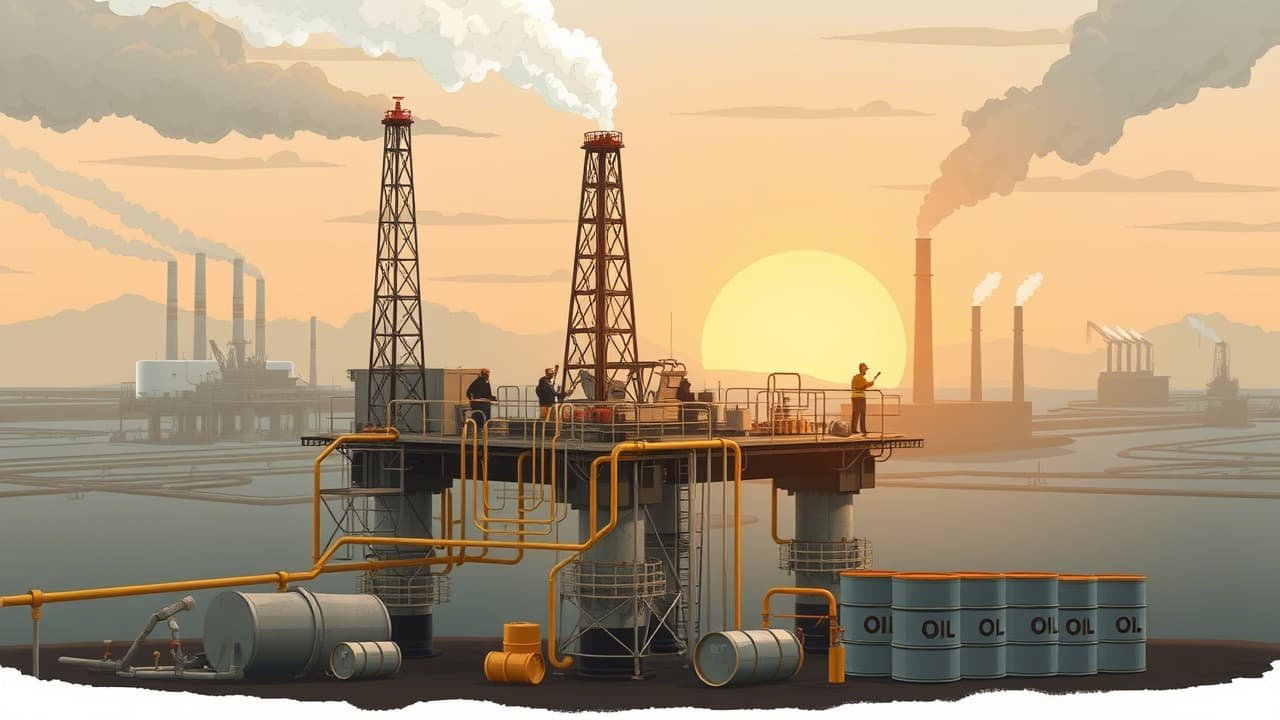
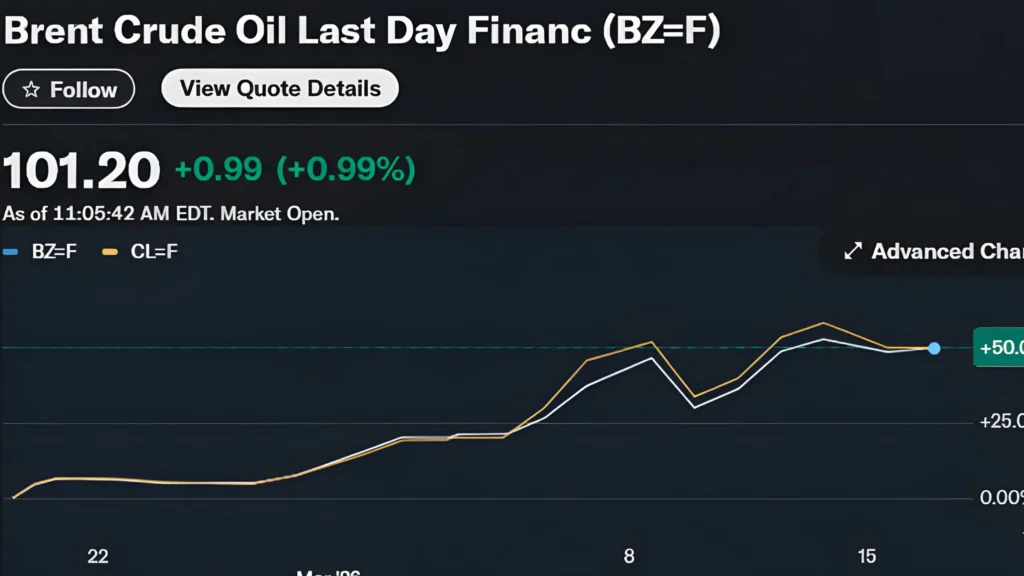
Last Friday, Israel lobbed a surprise attack on Iran’s nuclear and military sites, sending oil prices soaring higher than a SpaceX rocket. Investors are sweating bullets, worried a bigger Middle East brawl could jack up inflation worldwide, including in the good ol’ U.S.A. The Fed, already juggling Trump’s trade and immigration curveballs, now has this geopolitical hot potato to deal with.
At their two-day policy powwow next week, Fed officials are expected to sit tight, sipping coffee and watching the chaos unfold.
Robert Sockin, a big-shot economist at Citigroup, told CNN that if oil prices stay sky-high, the Fed’s inflation headache gets worse. “It’s another reason they’re not rushing to cut rates,” he said, probably while checking his gas bill.
Trump’s been shaking the economy with his tariff tango, flipping policies faster than a short-order cook flips pancakes. These moves could spike prices and unemployment, leaving forecasters scratching their heads, unable to predict what’s next.
The Fed’s rate-setters, wary of this unpredictability, want to see how Trump’s plans play out before touching the interest rate dial.
Adding to the drama, the Israel-Iran dust-up is making everyone nervous about oil supply. If the conflict spreads, gas prices could make your wallet cry harder than a rom-com climax. John Velis from BNY Mellon told CNN the Fed’s not built to handle geopolitical shocks but will stay extra cautious now.
Meanwhile, the U.S. job market is strutting its stuff, giving the Fed some breathing room. In May, employers added a surprising 139,000 jobs, keeping unemployment at a comfy 4.2%, per the Labor Department. Job openings even ticked up in April, so the Fed can afford to chill for now.
But don’t pop the champagne yet—things could get dicey. Jay Bryson, Wells Fargo’s chief economist, told CNN that if oil prices keep climbing, inflation could creep up by summer’s end. He also warned that federal job cuts and weaker hiring might drag job growth into the red by November.
Investors are placing their bets on an October rate cut, according to futures markets. The Fed’s next projections, dropping soon, will give a clearer picture of their thinking. Will they stick to their wait-and-see strategy or cave to Trump’s rate-cut rants?
Trump’s been hammering Fed Chair Jerome Powell, calling him names that’d make a sailor blush. Despite a strong jobs report, Trump insists rates should drop a full percentage point to juice the economy. Powell, unfazed, keeps saying decisions will be based on data, not Trump’s social media storms.
The Fed’s in a tricky spot, balancing its dual mandate of low unemployment and stable prices. Trump’s tariffs, which brought in $22 billion in May, could push inflation up, but so far, the impact’s been mild. Still, with oil prices jumping 7% after Israel’s attack, the Fed’s got more reasons to keep its hands off the rate-cut button.
If the Middle East mess worsens, oil could hit $100 a barrel, adding 1% to global inflation, according to Capital Economics. That’s bad news for central banks dreaming of rate cuts. For now, the Fed’s playing it safe, watching the economy and hoping it doesn’t need a “bad news” rate cut to save a crumbling job market.
Trump’s also pushing for a nuclear deal with Iran, which could cool oil prices if sanctions ease. But with Iran firing missiles back at Israel, those talks are shakier than a Jenga tower in an earthquake. The Fed, caught in this global game of economic whack-a-mole, is sticking to its data-driven playbook.



Leave a Reply