
The U.S. and Israel have turned the Middle East into a fireworks show nobody asked for, and now your morning commute is about to cost extra.
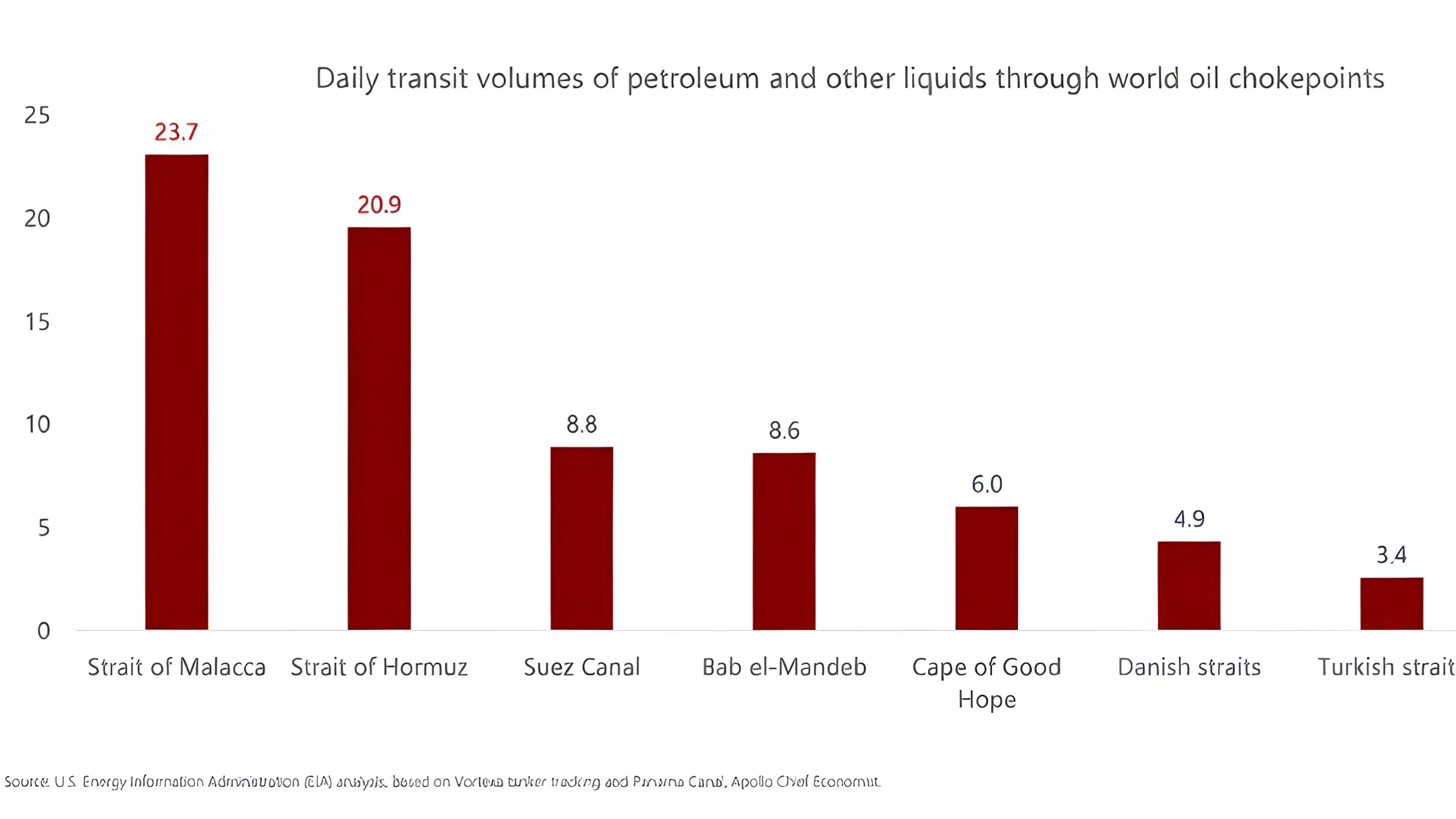
Over the weekend, joint strikes hammered Iranian targets—including military sites, leadership compounds, and even a nuclear facility—sparking immediate retaliation and threats that have effectively jammed the Strait of Hormuz, the narrow throat through which roughly one-fifth of the world’s oil squeezes every day.
Oil prices reacted like they’d been personally insulted. West Texas Intermediate crude leaped over 8% to around $72 a barrel Monday, while Brent crude shot toward $82 before settling near $77.
Shipping companies, never ones to enjoy playing chicken with Revolutionary Guard speedboats, promptly rerouted vessels or dropped anchor, turning the strait into the world’s most expensive parking lot.
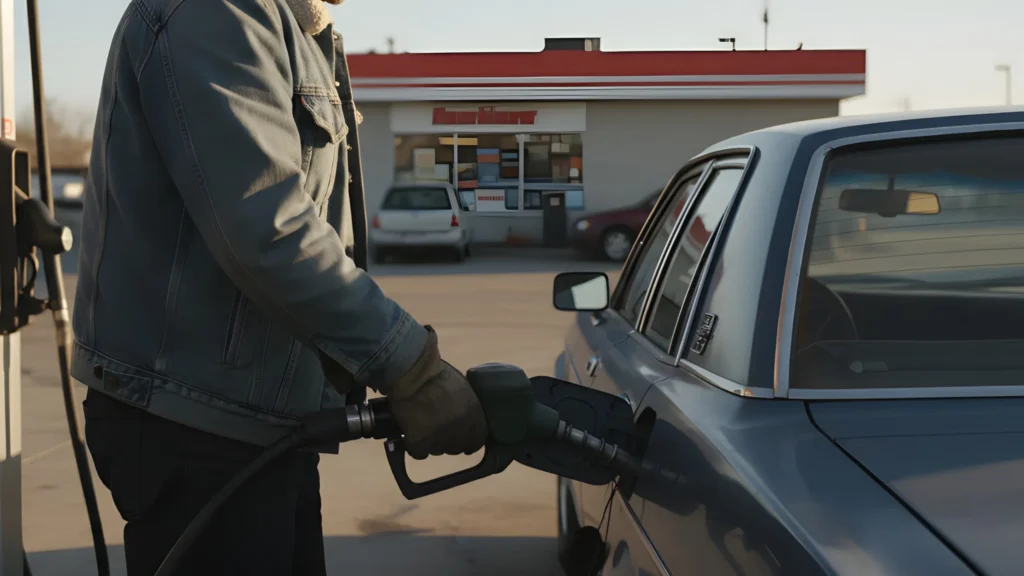
The real sting hits closer to home: American drivers. The national average for regular gasoline hovered just under $3 per gallon recently, but analysts warn that figure is about to climb back above the psychologically painful $3 mark for the first time this year.
GasBuddy’s Patrick De Haan put it bluntly—prices could start ticking higher as early as Monday afternoon, with stations getting those dreaded wholesale alerts. Add in the seasonal switch to pricier summer blends, and motorists are staring at hikes that might linger for weeks, if not months.
Meanwhile, the Strait of Hormuz drama unfolds like a bad action movie sequel. Iranian officials issued warnings that any ship daring to pass would meet a fiery welcome, prompting a near-halt in traffic. Tankers sit idle, insurers flee, and freight costs skyrocket. Iran produces over 4% of global oil, but the bigger headache is the choke point itself—disrupt that, and the market panics faster than a squirrel in traffic.
Veteran energy watchers note the knee-jerk spike added $3.75 to $5 per barrel almost instantly, with international Brent taking the harder hit. If this drags into a prolonged standoff, some forecasts whisper Brent could flirt with $100 or beyond.
For now, the U.S.—the world’s top oil producer—remains somewhat cushioned compared to the 1970s embargo nightmares, but global pricing means no one escapes the wallet squeeze entirely.






Leave a Reply