
The U.S. dropped a surprise attack on Iran’s nuclear sites, sending oil prices into a wild dance and global markets into a nervous sweat. Investors, caught sipping their Sunday coffee, scrambled to make sense of the chaos as Middle East tensions cranked up to eleven. Buckle up, because this geopolitical rollercoaster is just getting started.
President Trump, never one to shy away from a bold statement, called the strikes a “spectacular military success” in a televised address that probably had more viewers than the Super Bowl. He claimed Iran’s nuclear facilities were “completely and totally obliterated,” which sounds like someone took a giant eraser to Tehran’s atomic ambitions.
Iran, not exactly thrilled, promised “everlasting consequences” and reserved “all options” to hit back, which is diplomatic speak for “we’re not happy, and you’ll hear about it.”
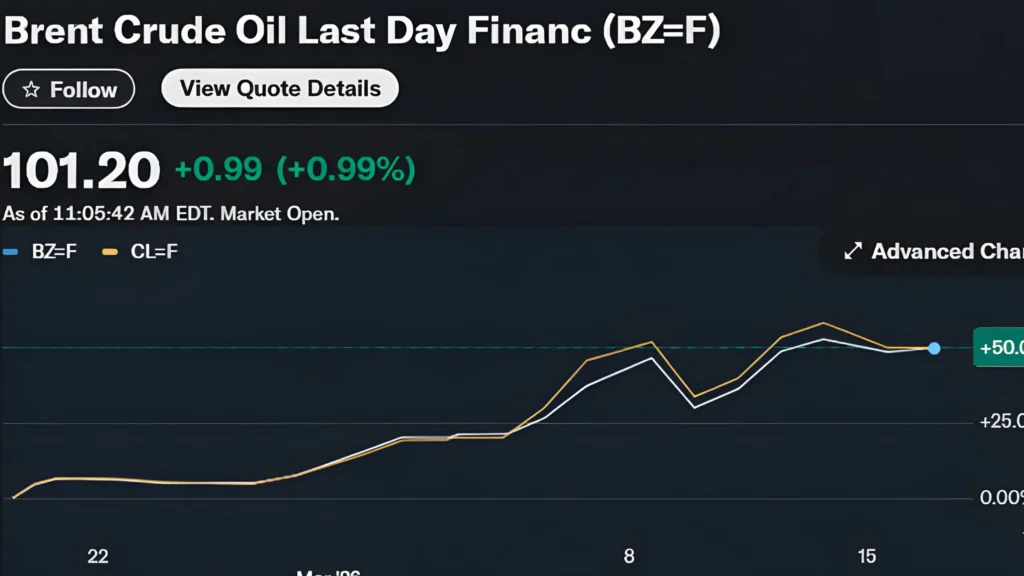
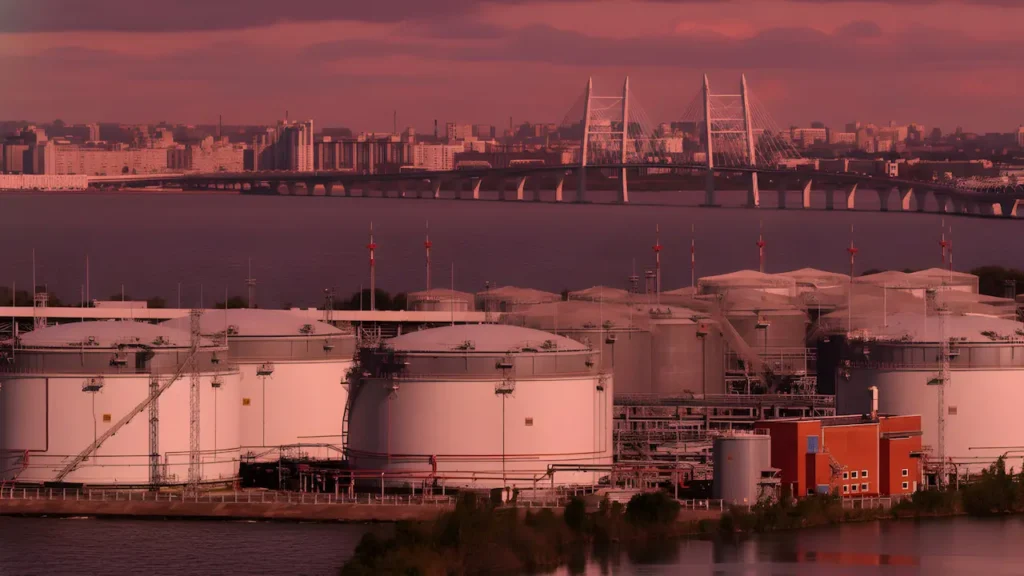
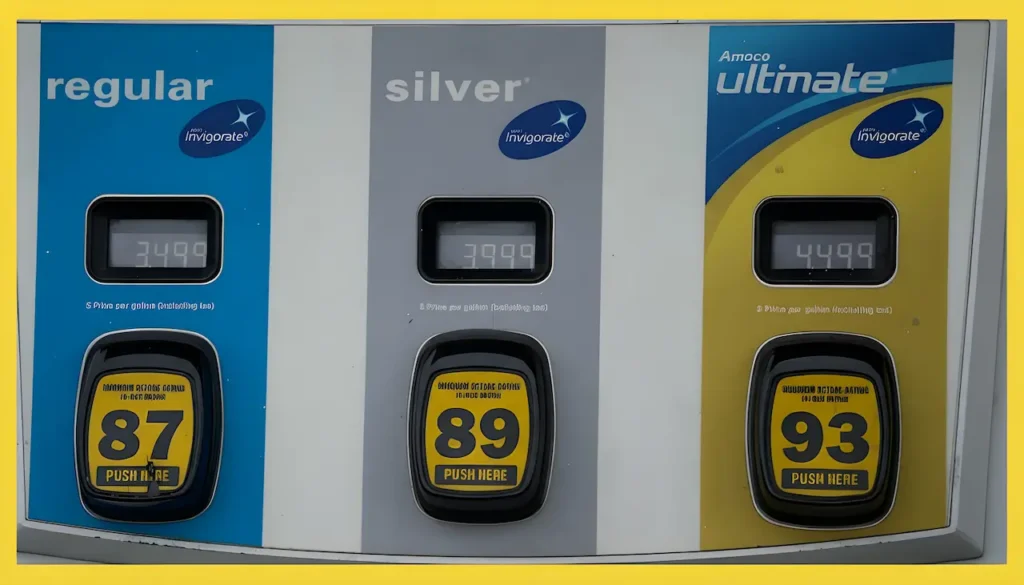
Oil markets, always ready to overreact, are bracing for a price spike that could make your gas station visits feel like a luxury spa expense. Analysts predict crude oil might flirt with $100 a barrel if Iran decides to play hardball, possibly by messing with the Strait of Hormuz, the world’s busiest oil highway. Saudi Arabia, Kuwait, and others rely on this narrow waterway, and any hiccup there could send global energy prices doing the moonwalk.
Middle East stock markets, oddly enough, acted like they didn’t get the memo. Qatar, Saudi Arabia, and Kuwait’s indexes barely blinked, ticking up slightly, while Israel’s Tel Aviv index partied at an all-time high. It’s as if traders there decided to ignore the missiles flying overhead and focus on their morning falafel instead.
Meanwhile, global investors are clutching their wallets, expecting a stock market selloff when major exchanges reopen. Mark Spindel, a big shot at Potomac River Capital, warned that oil prices will likely “open higher,” which is code for “your car’s gonna cost more to fill up.” He also noted the uncertainty is thicker than a triple-decker sandwich, with markets waiting to see what Iran does next.
Cryptocurrencies, the cool kids of the financial world, showed mixed feelings. Ether, the scrappy underdog to Bitcoin, took a 5% dive, probably because retail investors panicked and spilled their digital coins. Bitcoin, now the boring choice of institutional suits, just shrugged and stayed steady, proving it’s too grown-up for this drama.
The fear of soaring oil prices isn’t just about pricier road trips. Higher crude costs could goose inflation, making everything from groceries to gadgets more expensive. This could spook central banks, who might slam the brakes on any plans to cut interest rates, leaving consumers grumbling louder than a broken coffee machine.
Saul Kavonic, an energy guru at MST Marquee in Sydney, thinks Iran might retaliate by targeting U.S. interests, like oil infrastructure in Iraq or ships in the Strait of Hormuz. If Iran plays that card, oil prices could skyrocket faster than a viral cat video.
The Strait, squeezed between Oman and Iran, handles a quarter of the world’s oil, so any disruption there is a global economy’s worst nightmare.
Back in the U.S., the strikes have sparked a political shouting match. Some Republicans cheered Trump’s move, calling it a bold checkmate against Iran’s nuclear dreams. Democrats, however, grumbled about the lack of Congressional approval, with some calling it “grossly unconstitutional” and others warning of a slippery slope to another Middle East quagmire.
Iran’s response is the big question mark hanging over this mess. They could go full action-movie villain and launch missiles at U.S. bases in Qatar or Bahrain. Or they might try to choke the Strait of Hormuz, turning oil tankers into sitting ducks and sending prices to the stratosphere.
For now, the world’s holding its breath, waiting to see if Iran picks diplomacy or dynamite. The U.N.’s nuclear watchdog reported no radiation leaks, which is a small win in this high-stakes poker game. But with Trump hinting at more targets if Iran doesn’t play nice, the Middle East is one wrong move away from a full-blown crisis.
Markets are in for a bumpy ride when they reopen, with stocks likely to wobble and safe-haven assets like the dollar and gold getting some love. Investors are already hedging their bets, probably wishing they’d invested in popcorn instead. This saga’s far from over, and the only certainty is that your wallet might feel a little lighter soon.
The U.S. strikes, codenamed “Operation Midnight Hammer,” involved over 125 aircraft, including B-2 bombers and Tomahawk missiles, hitting Fordo, Natanz, and Isfahan. Iran claims it moved its enriched uranium beforehand, so the damage might be less catastrophic than Trump’s boasting suggests. Still, with both sides flexing their muscles, the world’s watching to see who blinks first.


Leave a Reply