
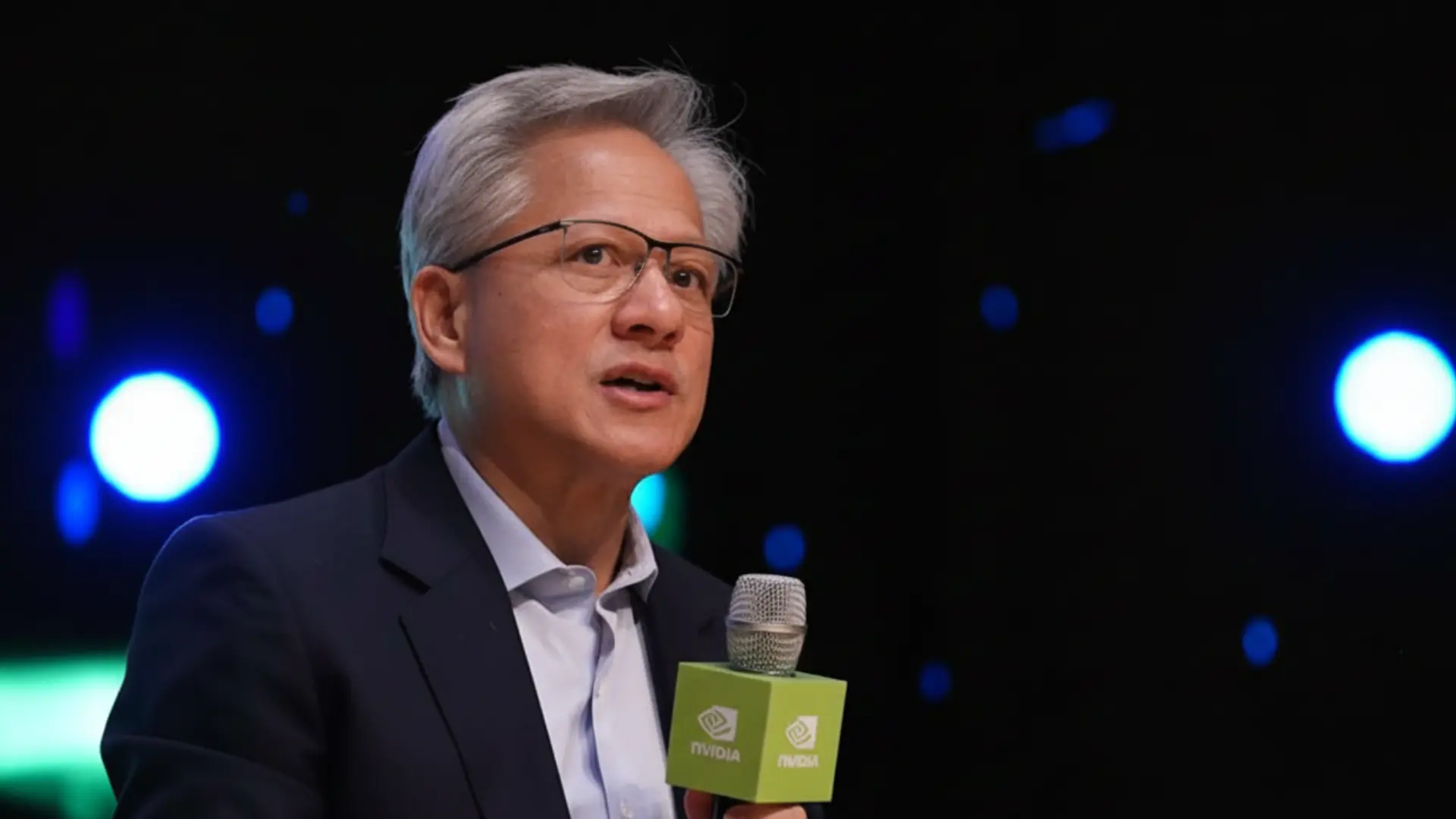
In a quarter where Nvidia raked in billions like a casino on steroids, its once-lucrative China business managed a measly $50 million from specially nerfed H20 chips. That’s roughly enough to buy one fancy yacht for CEO Jensen Huang — if he skips the solid-gold anchors.
The AI powerhouse reported total China revenue of just $2.8 billion, a mere 5% of its quarterly haul. Wall Street had dreamed of $8.4 billion, proving once again that analysts’ crystal balls work about as well as a chocolate teapot in a heatwave.
Chief Financial Officer Colette Kress blamed the drought on “geopolitical issues and the increasingly competitive market in China.” Translation: Washington and Beijing turned the chip trade into a high-stakes game of hot potato, and Nvidia’s hands got burned.
Those H20 chips? They are deliberately underpowered versions of Nvidia’s Hopper GPUs, crafted to slip past US export controls. Buyers apparently decided they’d rather wait for something with a bit more horsepower than settle for the AI equivalent of decaf espresso.
Meanwhile, the United States happily vacuumed up $39.2 billion in Nvidia revenue. Taiwan pocketed $13.8 billion, quietly smirking from the sidelines like the kid who brought extra snacks to the fight.
Last fiscal year, China contributed a respectable 13% of Nvidia’s sales. This quarter, it barely registered as a rounding error — the financial equivalent of finding a single fry at the bottom of the bag after expecting a full meal.
Kress expressed polite disappointment that Nvidia can’t ship its shinier toys to China. The company remains “committed to continued engagement” with both governments, which sounds suspiciously like saying you’ll keep calling your ex who keeps blocking your number.
The drama kicked off in April when the Trump administration suddenly required licenses for H20 sales. Shares dove faster than a cliff diver in Acapulco, costing Nvidia $2.5 billion in one quarter alone.
Enter Jensen Huang, leather jacket in tow, lobbying the White House like a man negotiating for the last slice of pizza. By August, a deal emerged: export licenses granted, provided Nvidia kicks back 15% of China revenues to Uncle Sam.
Victory lasted about as long as milk in a sauna. Chinese regulators promptly advised — some say banned — domestic tech giants from buying the H20, citing security concerns and a sudden patriotic fondness for homegrown alternatives.
Huawei and Alibaba rolled out their own AI chips, suddenly looking competitive. It’s as if Nvidia built a beautiful racetrack, only for everyone to decide bicycles work just fine.
The broader trade war heated up with US tariffs exceeding 130% on Chinese imports starting in April. Tit-for-tat retaliation ensued, turning high-level talks into episodes of diplomatic Survivor.
Nvidia has featured prominently in Trump-Xi discussions. The president teased chatting about Blackwell chips, then backpedaled faster than a politician spotting a live mic.
Huang insists the Chinese AI market is a $50 billion prize. Right now, Nvidia is admiring it from behind a very thick glass window.
Kress stressed that sustainable AI leadership requires winning developers everywhere, including China. A noble sentiment, delivered while the company pivots harder than a dancer on hot coals.
Elsewhere, Nvidia is thriving. Demand for “sovereign AI” has the company shipping advanced servers to the United Arab Emirates — up to 35,000 GB300 units approved, no revenue-sharing awkwardness required.
Saudi Arabia and South Korea are also lining up. When one door slams shut with theatrical force, others apparently open with a red carpet and complimentary dates.
Analysts note Nvidia’s overall earnings remain stellar. The China hiccup is like spilling coffee on a winning lottery ticket — annoying, but you’re still cashing in.
Still, the episode highlights how quickly billions can evaporate in the chip chess game. One day you’re the undisputed king; the next, you’re explaining why your custom-made pawn only moved $50 million.
Nvidia vows to keep advocating for America’s right to compete globally. In the meantime, rivals in China are busy sharpening their own chess pieces.


Leave a Reply