
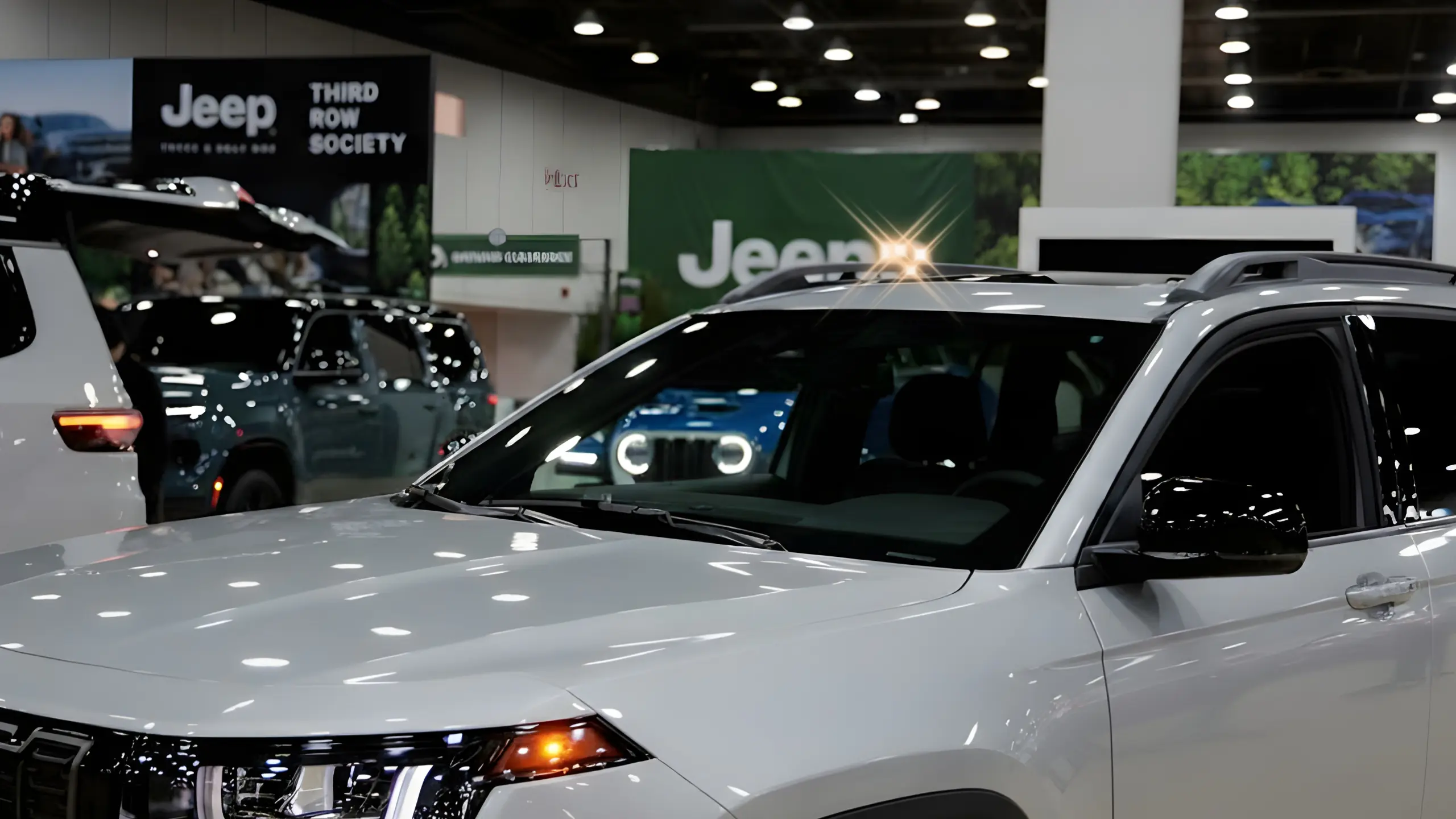
Stellantis just posted a record-shattering $26.3 billion net loss for 2025—the first annual red ink since the company was born. The culprit? A colossal write-down tied to betting too hard on electric vehicles that buyers apparently weren’t ready to embrace at the predicted speed.
The numbers hit like a truck with bad brakes. CEO Antonio Filosa called it the “cost of over-estimating the pace of the energy transition,” which is corporate-speak for “we thought everyone would ditch gas yesterday, but they didn’t.” That single admission carried the weight of canceling the electric Ram 1500, scrapping gigafactories in Italy and Germany, and tweaking production to match what actual humans want to buy.
Investors sent shares jumping about 6% in early New York trading. Apparently, a $26 billion hole is less scary when the second half shows signs of life.
The second half offered a glimmer amid the gloom. Net revenue climbed 10% to roughly $93 billion, global shipments rose 11%, and North America led the charge with volumes up sharply. Adjusted operating losses were there, but they landed within forecasts—small comfort when the full-year damage is measured in tens of billions.
Filosa’s turnaround plan seems to be gaining traction, at least on paper. The company now promises mid-single-digit revenue growth in 2026, a modest positive margin, and positive industrial free cash flow by 2027—assuming tariffs don’t eat another $1.9 billion along the way. It’s the automotive equivalent of saying, “We’ve hit rock bottom, but the view’s improving.”
Customers, meanwhile, get to keep choosing what they actually want: hybrids, gas burners, or the occasional brave EV. No more forcing square pegs into round charging ports.








Leave a Reply