
The post-COVID recession that economists swore was lurking around the corner has pulled a classic no-show, leaving experts high-fiving over dodged bullets. Yet for lower-income households, it’s less a victory lap and more a desperate scramble to keep the lights on amid wallet-whittling woes.
The so-called K-shaped economy – where the top earners zoom upward like caffeinated eagles while the bottom scrapes along like overworked earthworms – is back in the spotlight, and not for its aerodynamic charm.
Mohamed El-Erian, Allianz’s chief economic adviser and apparent patron saint of sleepless nights, confessed at Yahoo Finance’s annual Invest conference that the real head-scratcher isn’t the champagne toasts at the peak. It’s the quiet creaks from the base, where families juggle bills like circus performers on a caffeine crash.
These lower earners aren’t tip-toeing into recession territory so much as breakdancing on its welcome mat. With inflation stubbornly lounging at 3%, the old tricks – government handouts, job-hopping pay bumps, and wage whispers from a hot labor market – have fizzled out faster than a dud firework.
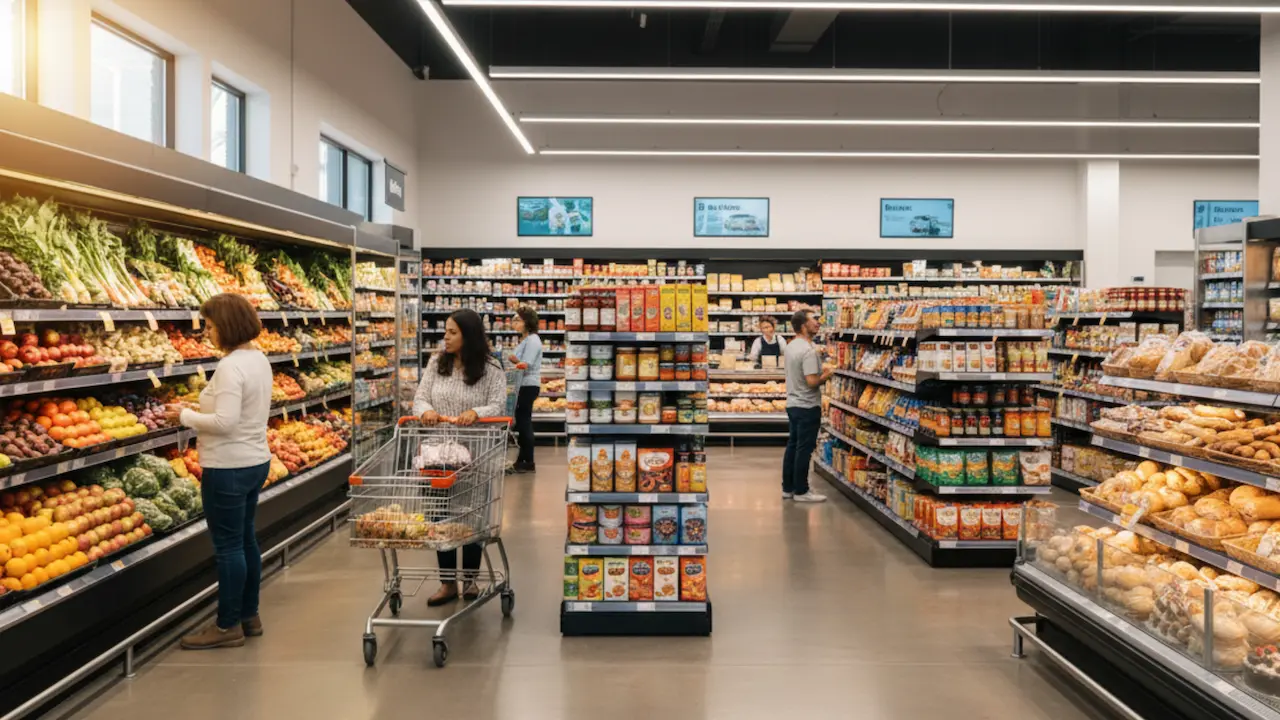
Picture the scene: Consumers once powered through price punches on a breeze of subsidies and steady gigs. Now, without those fluffy economic pillows, every grocery run feels like haggling with a sphinx that only accepts premium credit.
El-Erian’s brow furrowed deeper as he dissected the data drought from Washington’s shutdown, which left official job stats in limbo like forgotten laundry. Private tallies? They’re waving red flags with the subtlety of a matador’s cape.
Take last week’s Challenger, Gray & Christmas report, that cheerful chronicler of corporate clean-outs. Layoffs in October soared to the highest October tally in over two decades, with employers axing more than 150,000 positions – a 183% spike from September’s milder 54,064 cuts, because apparently, autumn is prime time for pruning payrolls.
Even the glimmers of hope dim quickly. ADP’s latest payroll pulse clocked in at a tepid 42,000 new jobs, enough to buy a round of coffee for the optimists but scarcely a feast for the famished job market.
This isn’t just bean-counting banter; it’s a slow-burn alert for the economy’s underbelly. El-Erian frets that if these squeezed households slam the spending spigot – not from stinginess, but sheer can’t-afford-it exhaustion – the trickle-down won’t be wealth, but worry.
The K’s bottom prong, once dismissed as a quirky footnote, now looms like an uninvited guest at the growth party. When the folks fueling 70% of daily buys start rationing ramen over ribeyes, the whole table wobbles.
Economists nod knowingly: The future arrives unevenly, as sci-fi sage William Gibson quipped, but here it’s less poetic and more pinch-y. Wealthy spendthrifts keep malls humming and stocks shimmying, yet their solo act can’t indefinitely ignore the echo from empty aisles below.
Political chatter amps up too, with affordability now the buzzword du jour in debate dens. Candidates might promise moonshots for the middle, but for now, it’s moon pies and hope that tide over the tightest budgets.
El-Erian’s verdict lands with the weight of a velvet hammer: No full recession yet, but the pressure cooker at the low end could steamroll the serene surface. In this bifurcated boom, the real plot thickener is whether the top’s tailwind can outpace the base’s drag.
As November chills set in, one thing warms the wary: At least the recession phantom hasn’t crashed the gate. But for millions mapping meals by the month, that silver lining glints about as brightly as fool’s gold in a fog.






Leave a Reply