
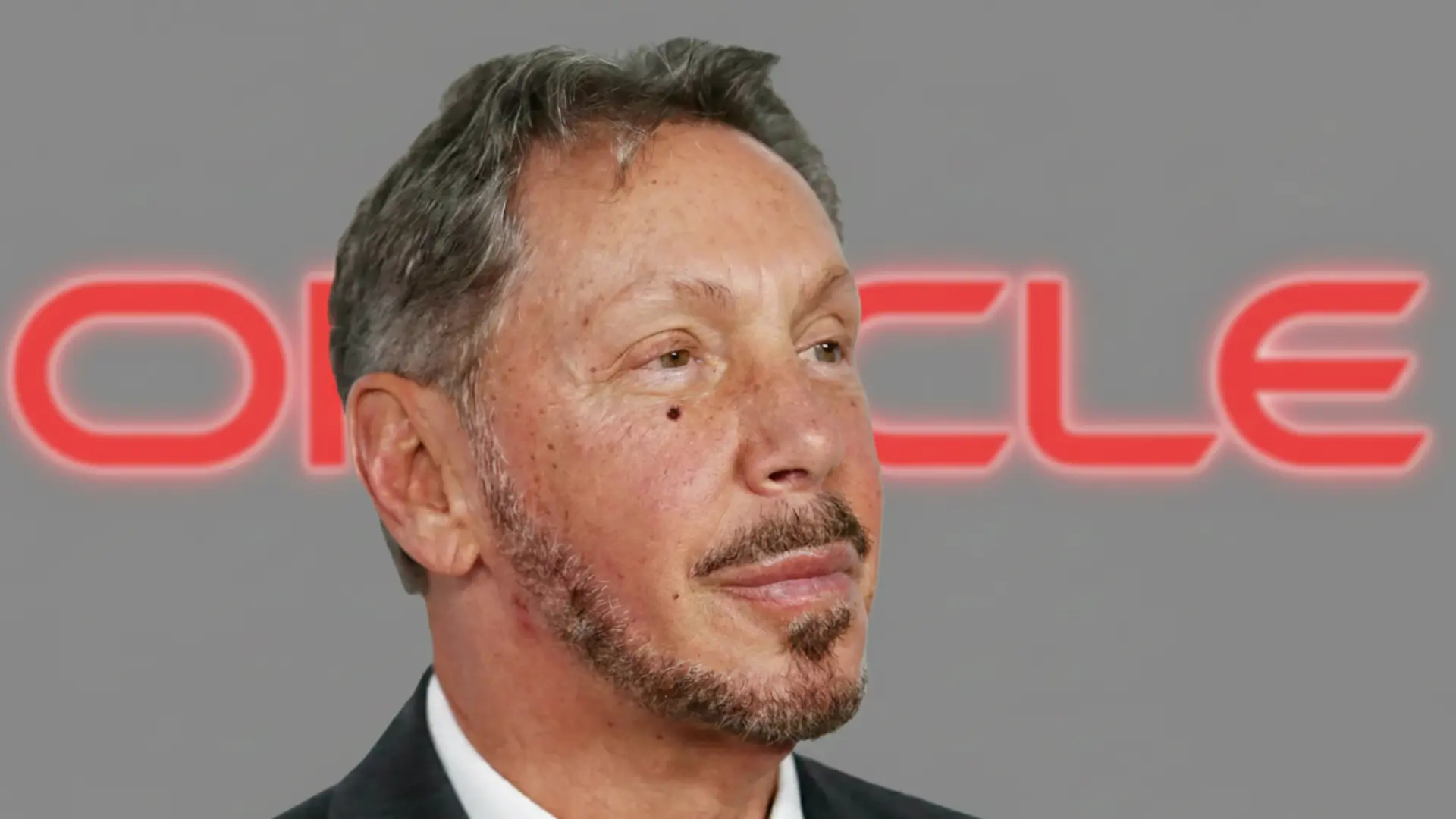
Austin, Texas –Oracle shares have cratered nearly 40% from their September peak, vaporizing more than $360 billion in market value faster than you can say “remaining performance obligations.”
Thursday alone saw $67 billion vanish before lunch, because apparently investors decided that hitching almost the entire future growth story to one privately held AI darling currently burning cash like a teenager with crypto was perhaps a tad optimistic.
The trouble began when Oracle’s September fairy tale—complete with Larry Ellison momentarily overtaking everyone on the rich list—revealed that roughly two-thirds of its eye-watering $455 billion bookings backlog came courtesy of OpenAI and the mysteriously named Stargate project.
Investors initially cheered the numbers like they’d just discovered free money. Then someone asked the awkward question: “Wait, how exactly is OpenAI planning to pay for the $300 billion it promised?”
OpenAI, meanwhile, is on a shopping spree that would make a hedge-fund spouse blush—deals with Nvidia, CoreWeave, AMD, Broadcom, and of course Oracle—pushing its projected infrastructure tab toward a cool $1.4 trillion. For context, that’s roughly the GDP of Australia plus a few Pacific islands.
Google’s Gemini models suddenly looking competent didn’t help. Neither did Sam Altman reportedly declaring a “code red” emergency inside OpenAI headquarters, which is tech-speak for “we might be in trouble.”
Oracle’s latest earnings poured gasoline on the panic. The company spent $12 billion on capital expenditures in one quarter and somehow managed to produce negative $10 billion in free cash flow—numbers so bad even the accountants asked for a drink.
Management bravely raised full-year capex guidance from $35 billion to $50 billion, because nothing says “we’ve got this under control” like borrowing another $15 billion to build data centers for a customer who might be too broke to turn the lights on.
New co-CEO Clay Magouyrk insisted Oracle has over 700 other AI customers waiting in the wings and could reassign the capacity in “hours” if OpenAI defaults. Analysts politely translated that as “we can pivot from Stargate to someone else’s gate roughly as fast as a New York landlord finds a new tenant.”
The company also swore it won’t spend more than $100 billion total and promised to keep its precious investment-grade credit rating, currently hanging on at BBB like a climber with two fingers and a prayer.
Wall Street’s reaction could charitably be described as skeptical. One analyst summed it up: “The market is basically saying, ‘Cool story, but we’re not buying the happy ending until someone actually makes money from this AI thing.’”
In the meantime, Larry Ellison has slipped back to merely being one of the ten richest people on Earth—an indignity he hasn’t suffered since, well, August.
Oracle shares closed Thursday down another 6%, proving that in today’s market, nothing says “growth story” quite like losing sixty-seven billion dollars before the afternoon coffee run.
Leave a Reply