The U.S. economy has officially split into a “K-shaped” recovery, where the ultra-rich are buying gold-plated yachts while the rest of America is Googling “how to make a sandwich with just bread.”
The Federal Reserve’s recent interest rate cut, the first this year, has done little to bridge the gap between the caviar crowd and the canned-tuna commoners.
The economy, once a hopeful melting pot of financial opportunity, now resembles a lopsided letter “K,” with the top 20% of earners (those raking in at least $264,500 annually) hogging 63% of consumer spending.
Meanwhile, the middle and lower classes are left fighting over the last discounted hot dog at the Minnesota State Fair.
According to Moody’s Analytics, the top 10% alone—those earning over $353,000—account for nearly half of all spending, a record high since data collection began in 1989.
“It’s like the economy is a buffet, and the rich are piling their plates with lobster while the rest of us are stuck with the wilted lettuce,” said Dr. Penny Pincher, a self-proclaimed “economist of the people” at the University of Bargain Basement.
“If the wealthy stop splurging on diamond-encrusted phone cases, we’re all doomed to a recession.”
At the Minnesota State Fair, the economic divide is as clear as the grease on a deep-fried Twinkie. The “On-The-Stick Index,” created by economist Tyler Schipper and his students at the University of St. Thomas, revealed a 7.7% price hike in fair foods—double the national inflation rate.
“I used to buy artisanal pickles and a bucket of fries,” lamented fairgoer Calyssa Hall, clutching a single overpriced corndog. “Now I’m just here for the free air and the dream of financial stability.”
Schipper noted lower-than-average attendance at the fair, despite perfect weather. “People are skipping the fair entirely,” he said. “Why spend $20 on a glitter-dusted pretzel when you can cry into a bowl of cereal at home for free?”
President Donald Trump’s tariffs have added fuel to the economic fire, acting like a consumption tax that hits lower- and middle-income households hardest.
“It’s like the government said, ‘Let’s make groceries more expensive for the people who already can’t afford them!’” said Indiana resident Scott Goodwin, who recently switched from a “fancy” grocery store to one where the carts have wobbly wheels and the produce looks like it’s been through therapy.
Goodwin’s family has cut back on concerts, vacations, and even their beloved artisanal cheeses. “We’re not destitute,” he clarified, “but our fridge now looks like it’s auditioning for a minimalist art exhibit.”
Moody’s Analytics reports that delinquency rates for households with sub-660 credit scores hit 9.06% in July, the highest since 2016. Meanwhile, the top 0.1% of earners are expected to pocket $60.3 billion from recent tax law changes, according to Oxfam.
“It’s trickle-down economics, but instead of money, we’re getting trickled on,” quipped Hall.
Economists warn that if the wealthy tighten their purse strings—or if the stock market takes a dive—the economy could spiral into a recession faster than you can say “subprime mortgage flashback.” “The rich are basically the economy’s designated drivers,” said Mark Zandi of Moody’s Analytics. “If they crash, we’re all hitchhiking to Brokeville.”
As the wealth gap widens, some Americans remain optimistic. “I’m manifesting abundance,” said Hall, staring wistfully at a $12 lemonade. “One day, I’ll buy two corndogs without checking my bank account first.”
Until then, the middle class will keep tightening their belts, shopping at dollar stores, and praying for a world where “economic recovery” doesn’t mean choosing between gas and groceries.
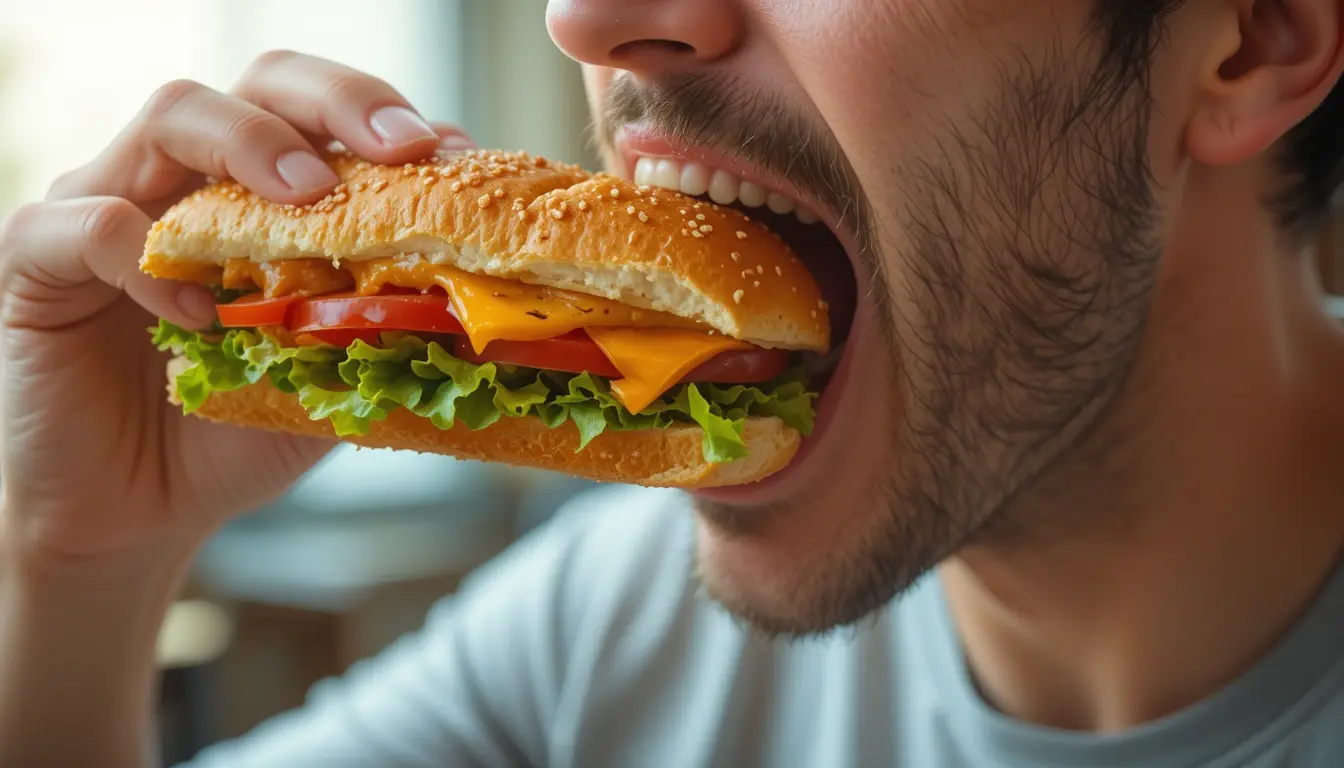
In the meantime, economists suggest investing in canned goods and a sense of humor. “If we’re all eating sad sandwiches,” said Dr. Pincher, “at least we can laugh while we chew.”

Leave a Reply