
Good news, folks—your gas tank’s happier than a kid in a candy store! The Bureau of Labor Statistics dropped its July 2025 Consumer Price Index (CPI) report, revealing that falling gas prices kept inflation from running wild. But hold onto your wallets—tariffs are sneaking into your shopping cart, making everything from sneakers to sofas pricier.
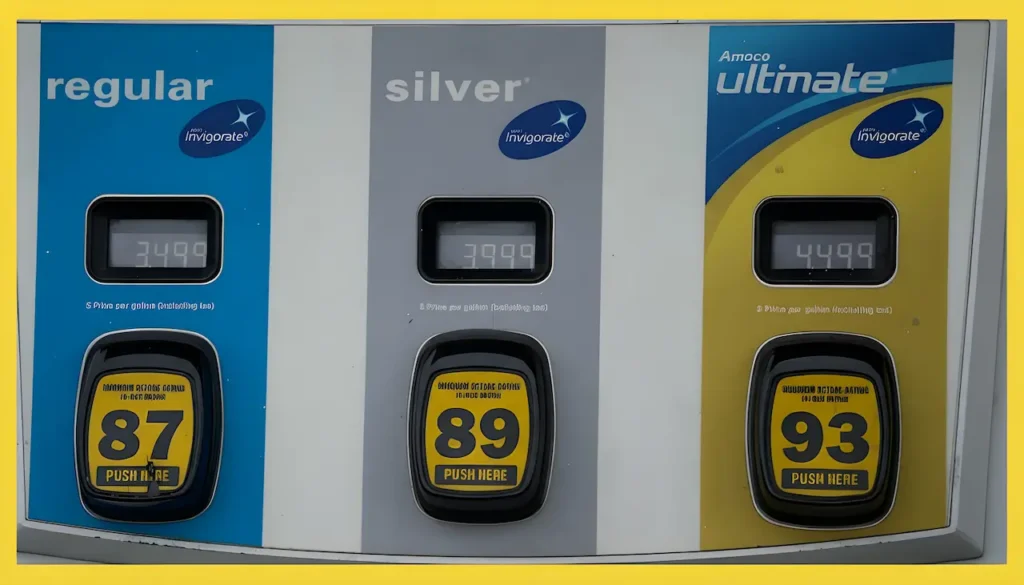
The CPI crawled up a modest 0.2% in July, keeping the annual inflation rate at a steady 2.7%. Economists, those number-crunching wizards, expected a slightly spicier 2.8% annual jump, so this is a small win. Gas prices took a 2.2% dive from June, giving drivers a rare moment to smile at the pump.
Meanwhile, Wall Street threw a mini-party after the report. Dow futures leaped 210 points, a 0.47% hop, while S&P 500 and Nasdaq 100 futures climbed 0.45% and 0.5%, respectively. Investors seem to think inflation’s not ready to ruin the economy’s vibe just yet.
But don’t pop the champagne too fast. Core CPI, which ignores the rollercoaster of food and energy prices, jumped 0.3% from June, hitting a five-month high of 3.1% annually. This sneaky metric shows inflation’s still lurking, ready to pinch your budget.
Tariffs, those pesky import taxes, are the new class clown making prices jump. Furniture prices shot up 0.9%, and shoes? They’re strutting with a 1.4% monthly increase, thanks to President Trump’s tariff spree starting in April.
Gus Faucher, a big-shot economist at PNC Financial Services, told CNN that inflation’s been tame compared to the wild days of yesteryear. But he warned that your grocery and Amazon hauls might soon cost more. “Consumers are going to feel a little more stretched,” he said, probably while sipping overpriced coffee.
The tariff trouble doesn’t stop at furniture and footwear. Apparel prices ticked up 0.1%, and household furnishings climbed 0.7%, showing that tariffs are hitting where it hurts—your home decor dreams. Canned fruits and veggies, usually tariff magnets, stayed flat, but don’t expect that to last.
Goldman Sachs economists, who probably dream in spreadsheets, estimate consumers are already footing 22% of tariff costs. By year’s end, they predict you’ll be paying up to 67% of those extra charges. Your wallet’s groaning just thinking about it.
Food prices didn’t join the tariff party, staying flat in July. Grocery prices even dipped 0.1%, though they’re still 2.2% higher than last year. Restaurants, however, are charging 0.3% more, so your burger date just got pricier.
Energy prices, led by that glorious gas price drop, fell 1.1% overall. But electricity prices are climbing, up 1.0% in June and 5.4% over the year, thanks to data centers gobbling up power. Your AC bill might make you sweat more than the summer heat.
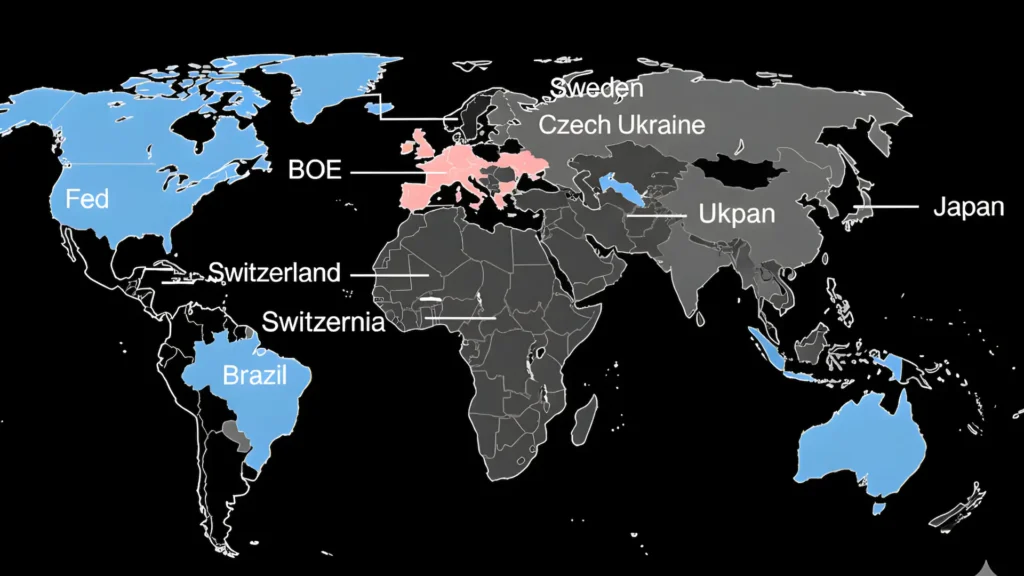
The Federal Reserve, those folks who control the money faucet, are in a pickle. Inflation’s creeping up, but the job market’s wobbling, with hiring slowing after Trump’s tariff announcement in April. Fed Chair Jerome Powell’s scratching his head, wondering if rate cuts are still on the table.
Some Fed officials think tariffs are just a one-time price jolt, not a long-term inflation monster. Others, including Powell, aren’t so sure, warning that price hikes could stick around for up to 18 months. That’s a long time to pay extra for your imported coffee maker.
Big companies are already passing the tariff pain to you. Ralph Lauren, Under Armour, and even Procter & Gamble (makers of your toothpaste and toilet paper) are hiking prices. Warby Parker and e.l.f. Beauty joined the party, with e.l.f. slapping an extra dollar on everything because of China tariffs.
Retailers are trying to be sneaky, raising prices selectively instead of across the board. Matt Pavich from Revionics says it’s not a “massive hit” yet, but the price creep is real. Your next online order might come with a side of sticker shock.
On the bright side, real wages are still inching up, though 43% of workers are losing ground to inflation, per Indeed. The Conference Board says folks are gloomier about their finances, with recession fears lingering. Nobody’s throwing a parade for the economy just yet.
The Bureau of Labor Statistics itself is in hot water. Trump fired its head, Erika McEntarfer, after a weak jobs report, accusing the agency of cooking the books. He’s tapped E.J. Antoni, a critic of the BLS, to take over, which has economists raising their eyebrows.
Despite the tariff turbulence, some sectors are holding steady. Shelter costs rose 0.2%, driving much of the CPI increase, while used cars jumped 0.5%. Airfares, which dropped 14.2% since January, might start climbing again soon.
Economists at CEPR predict food prices could spike due to tariffs and fewer farm workers from immigration crackdowns. Egg prices, which fell 7.4% in June, aren’t likely to repeat that discount. Your omelet’s about to get fancier—and pricier.
The Fed’s watching this all like a hawk, with a September rate cut looking likely—87% chance, says the CME FedWatch Tool. But if core goods keep getting pricier, they might hit pause. Nobody wants to stoke the inflation fire.

Leave a Reply