
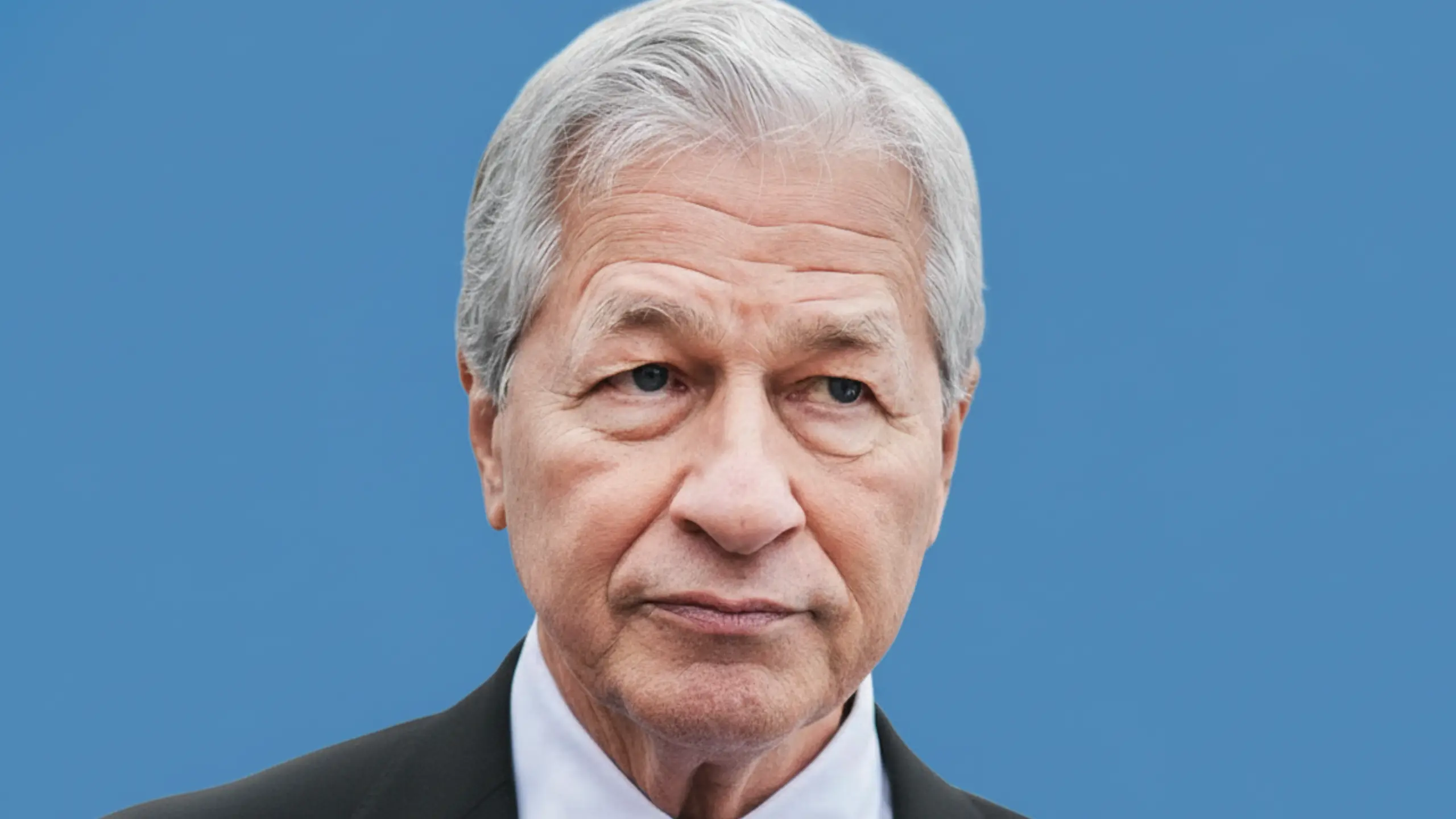
SIMI VALLEY, California – Jamie Dimon stood in front of a room full of generals and defense contractors Saturday and delivered a message no one expected from a Wall Street titan: Save Europe, or America pays the bill.
Speaking at the Reagan National Defense Forum, the JPMorgan Chase CEO declared that a “weak” Europe, strangled by its own bureaucracy, now ranks as one of the biggest economic risks facing the United States.
A crumbling Europe doesn’t just mean fewer croissants and longer passport lines. It means weaker allies, fractured supply chains, and a bigger tab for American taxpayers who suddenly become the world’s only grown-up in the room.
Dimon’s blunt diagnosis sent a ripple through the defense crowd: if the continent that invented both the Renaissance and the welfare state can’t get out of its own way, someone else will have to pick up the check—and that someone is wearing stars-and-stripes pajamas.
Dimon didn’t mince words. Europe, he said, has spent years perfecting the art of making business feel unwelcome.
“They do wonderful things on their safety nets,” he allowed, sounding almost envious, “but they’ve driven business out, they’ve driven investment out, they’ve driven innovation out.” He paused for effect. “It’s kind of coming back.” The “kind of” carried the weight of a man who has seen too many five-year plans.
He praised the euro—once—and nodded at Europe’s noble quest for peace. Then he lowered the boom: shrinking militaries, endless EU summits that end in 27 different opinions, and a regulatory maze that makes American red tape look like a single Post-it note.
The room of brass and suits shifted uncomfortably. Nothing ruins a defense conference like being told your richest ally might be turning into a geopolitical participation trophy.
“If they fragment,” Dimon warned, “then you can say that America First will not be around anymore.” Translation: the minute Europe splinters, every global bad actor gets an invitation to the party—and the U.S. will be the only one bringing tanks.
He called for a long-term American strategy to “help them become strong.” Coming from a banker, that sounds suspiciously like writing a very large check with other people’s money, but he insisted a weak Europe is “bad for us” in every conceivable way.
Meanwhile, back home, Dimon had nothing but applause for the current administration’s war on paperwork. “There is no question this administration is trying to bring an axe to some of the bureaucracy,” he said, grinning like a kid who just found the teacher’s answer key. Safe food, safe banks, safe planes—he’s fine with those rules. The rest? Chop away.
JPMorgan is putting its money where Dimon’s mouth is. The bank quietly upped its decade-long commitment to defense-related industries by half a trillion dollars—because apparently nothing says “commercial opportunity” like hypersonic missiles and rare-earth minerals.
Investment banker Jay Horine gets to spend the next ten years deciding which companies deserve a $10 billion personal check from Jamie’s couch cushions. Tough gig.



Leave a Reply