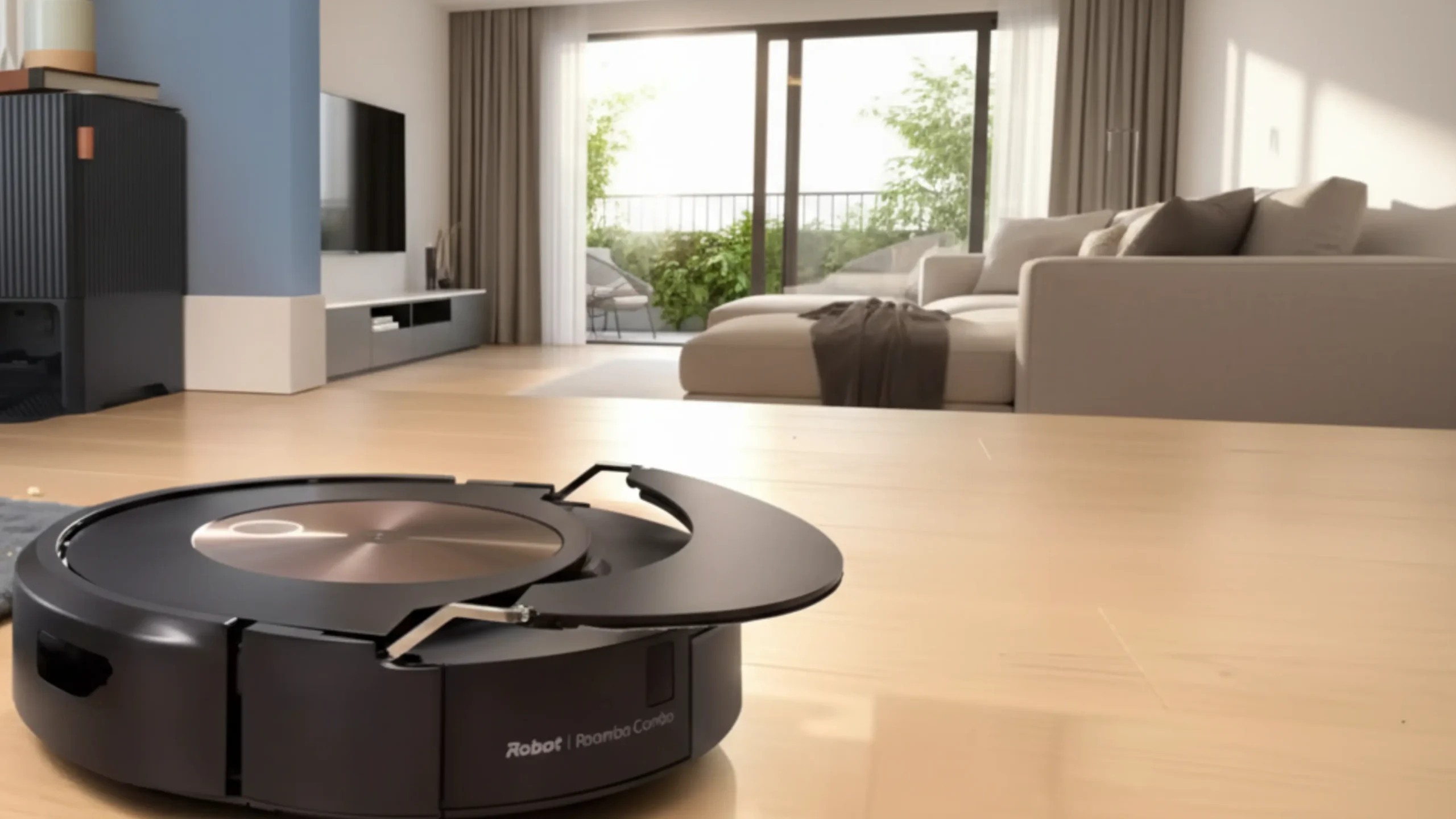
iRobot, the iconic maker of the Roomba, filed for Chapter 11 bankruptcy protection on Sunday. The company will hand over full ownership to its primary manufacturer, China-based Picea Robotics, effectively going private while promising no interruptions to those faithful floor-cleaning bots.
For millions of Roomba owners—the devices keep mapping homes and sucking up dust without pause. Yet shareholders watched their investments tumble, with shares plunging as much as 83% in premarket trading, turning a once $3.56 billion pandemic darling into a $140 million cautionary tale.
The broader market for smart home gadgets feels the suction too, as cheaper rivals continue to undercut prices, proving that even pioneers can get swept aside in a fiercely competitive arena.
Founded in 1990 by three MIT roboticists who started with defense contracts, iRobot pivoted to consumer glory with the Roomba’s debut in 2002. That disc-shaped wonder promised effortless cleaning, delighting lazy humans everywhere.
Fast forward to pandemic highs, when locked-down households boosted demand, valuing the company at billions. Sales soared as people embraced robotic helpers more than ever.
But reality rolled in like pet hair on a carpet. Chinese competitors like Ecovacs flooded the market with budget options, forcing iRobot to slash prices and pour funds into tech upgrades.
Revenue hit $682 million in 2024, yet profits vanished faster than crumbs under a sofa. Dominance held in the U.S. and Japan, but margins thinned noticeably.
Then came tariffs. A 46% levy on imports from Vietnam, iRobot’s manufacturing hub, tacked on $23 million in costs for 2025 alone.
Planning ahead became as tricky as navigating a Roomba through a room full of chair legs. The company had flagged survival doubts back in March.
Debt piled up to $190 million from a 2023 loan, originally to bridge the gap during a doomed $1.4 billion Amazon buyout. Regulators blocked that deal, leaving iRobot to clean up the mess.
When payments to Picea lagged, the manufacturer smartly scooped up the debt from Carlyle Group funds. Creditors often find creative ways to secure their interests.
Under the bankruptcy plan, Picea claims 100% equity, forgiving the $190 million loan plus another $74 million owed under manufacturing deals. Other suppliers get paid in full, keeping the ecosystem humming.
iRobot insists operations continue smoothly—no app glitches, no halted support, no disrupted partnerships. Roombas worldwide can breathe easy, or rather, keep vacuuming relentlessly.
From military roots to household staple, iRobot’s journey shows how innovation meets harsh economics. One era ends, another begins under new ownership.
The stock’s dramatic drop underscores investor nerves, but the pre-packaged process aims for a quick exit by February. Efficiency in restructuring, at least.
In a field where robots dodge obstacles daily, their creator couldn’t quite avoid a few big ones. Still, the Roomba rolls on.



Leave a Reply