
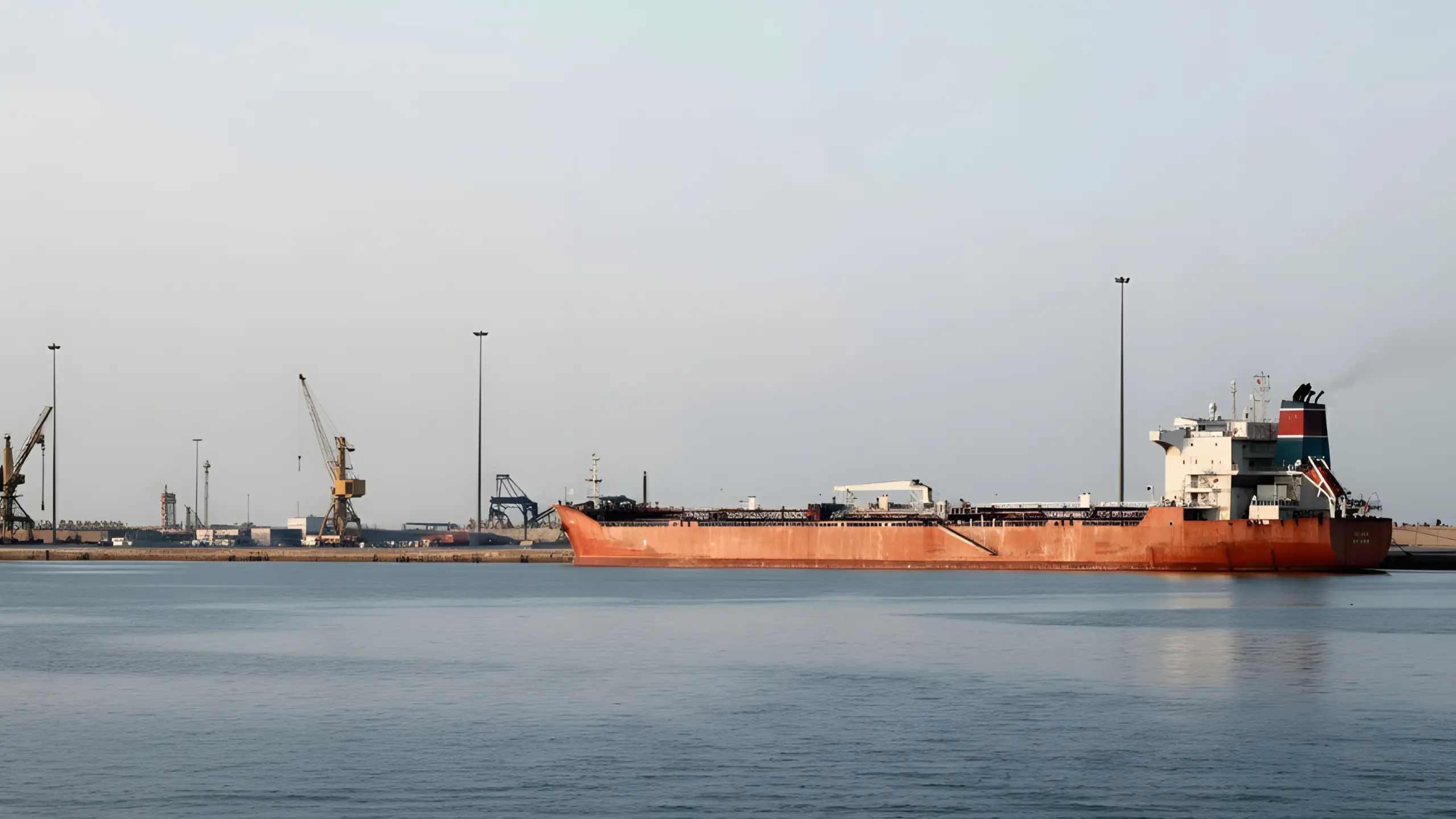
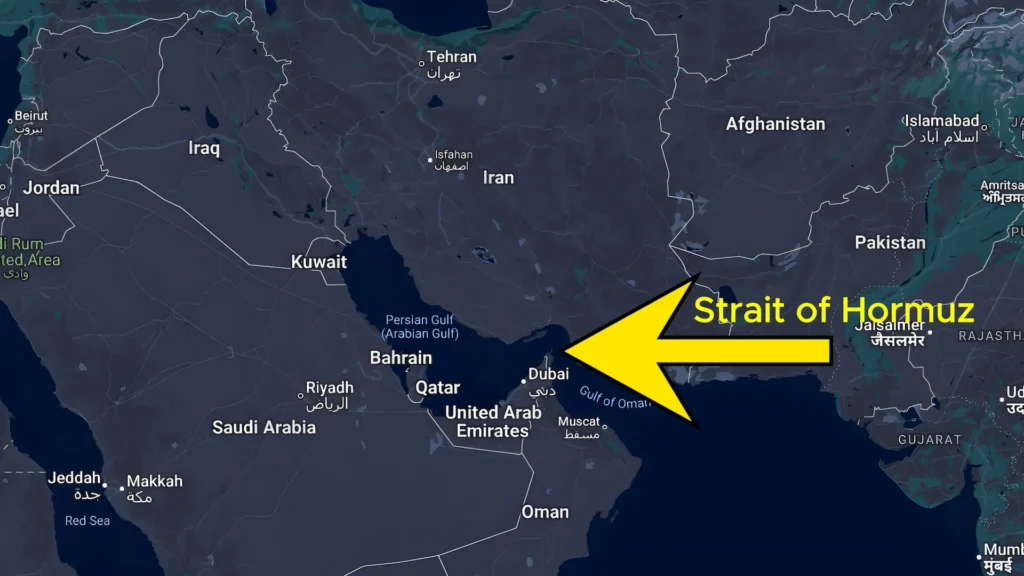
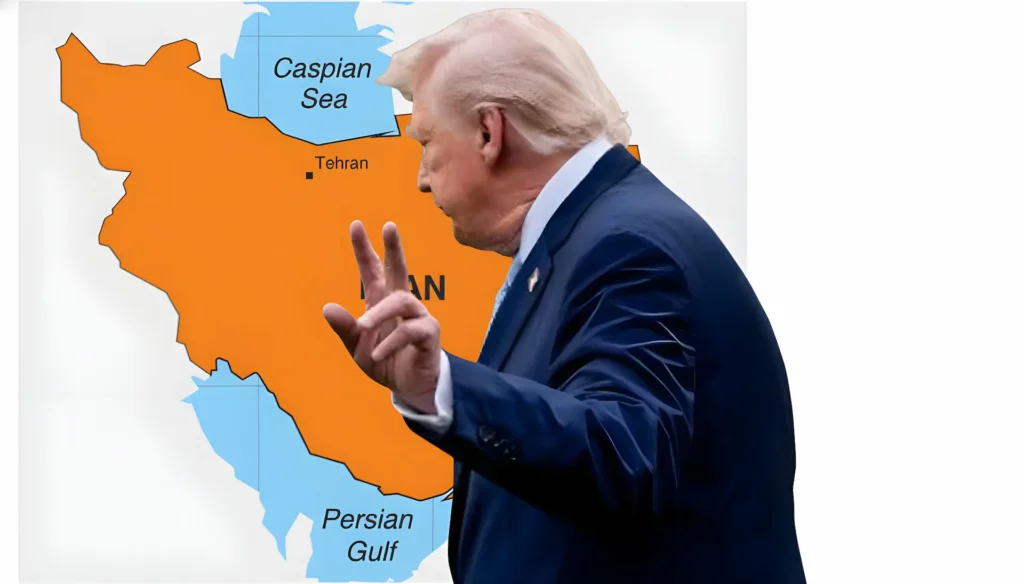
Iran has turned the Strait of Hormuz — the narrow throat through which one-fifth of the planet’s oil and gas normally flows — into an impromptu toll plaza amid its ongoing conflict with the United States and Israel. Nearly 2,000 vessels now sit idling nearby while Tehran’s forces decide who gets to pass and at what premium.
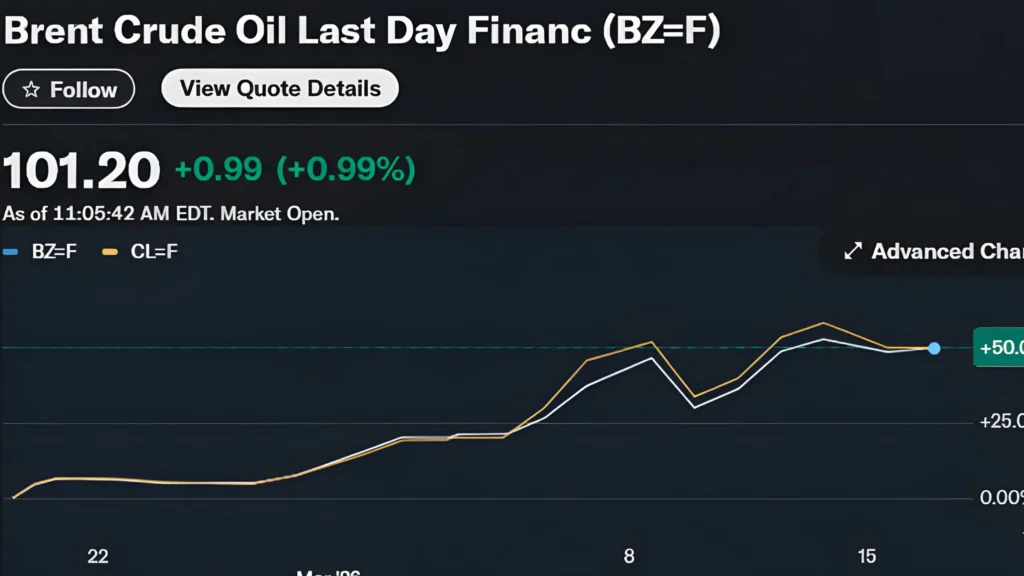
The result? Global oil prices have leaped above $100 a barrel, sending economies into a nervous sweat and experts muttering about recession risks that feel uncomfortably familiar.
Fuel rationing has already begun in parts of Asia, factories are dialing back production, and drivers everywhere are wondering why their next fill-up suddenly feels like a luxury purchase. The ripple effect is turning everyday commutes into unexpected lessons in geopolitics, with wallets bearing the brunt of decisions made thousands of miles away.
The strait, squeezed between Iran to the north and Oman and the UAE to the south, has never been wider than a strategic headache. Since February 28, when the current round of hostilities escalated, Iran has effectively controlled traffic, allowing only select vessels through while the rest bob like impatient commuters in the world’s largest floating parking lot.
Iranian media report that parliament is now drafting legislation to formalize “security fees” for ships using what they politely call a corridor. The logic, according to officials, is simple: just as trucks pay duties when crossing land borders, tankers should chip in for safe passage through waters Iran helps patrol.
Even without the ink dry on that bill, the Islamic Revolutionary Guard Corps has already set up what shipping analysts at Lloyd’s List describe as a de facto toll booth system. Some vessels reportedly pay hefty sums — whispers suggest up to two million dollars in certain cases, occasionally settled in Chinese yuan — for the privilege of continuing their journey.
Meanwhile, nearly 2,000 ships remain stranded, their crews facing stretched supplies and mounting frustration. Oil and LNG exports from Gulf producers have slowed dramatically, pushing prices sharply higher and forcing governments to scramble for alternatives that don’t quite exist in sufficient volume.
Tehran has framed the restrictions as leverage in the broader conflict, listing recognition of its authority over the strait among its conditions for easing tensions. In the meantime, the narrow waterway continues its role as the ultimate geopolitical bargaining chip — one that the global economy is paying for at the pump.
The situation remains fluid, with occasional vessels slipping through under approved conditions while the majority wait. For now, the Strait of Hormuz has reminded everyone that some of the world’s most critical routes are also its most creatively managed.


Leave a Reply