
Intel announced today it will shell out $14.2 billion to repurchase the 49% stake in its Ireland chip plant that it sold to Apollo Global Management just two years ago, regaining full ownership as finances stabilize and AI breathes new life into its processors.
Shares jumped about 6% in early trading, suggesting Wall Street likes a company that can flip from cash-hungry to confident buyer in record time.
The move highlights how quickly fortunes can shift in the chip world. Back in 2024, a then-struggling Intel pocketed $11.2 billion from Apollo for the minority stake in the Leixlip facility, known as Fab 34. That cash helped fund expansions on both sides of the Atlantic while the company caught its breath.
Now, under CEO Lip-Bu Tan’s restructuring push—which has included tough calls like job cuts and asset sales—Intel’s balance sheet looks healthier. Billions in support from Nvidia and the U.S. government (now its largest shareholder) haven’t hurt either.
After missing much of the early AI wave, demand is picking up for Intel’s central processors, especially for the “inference” side of things—the part where tools like ChatGPT actually answer your questions without breaking a sweat (or the data center budget).
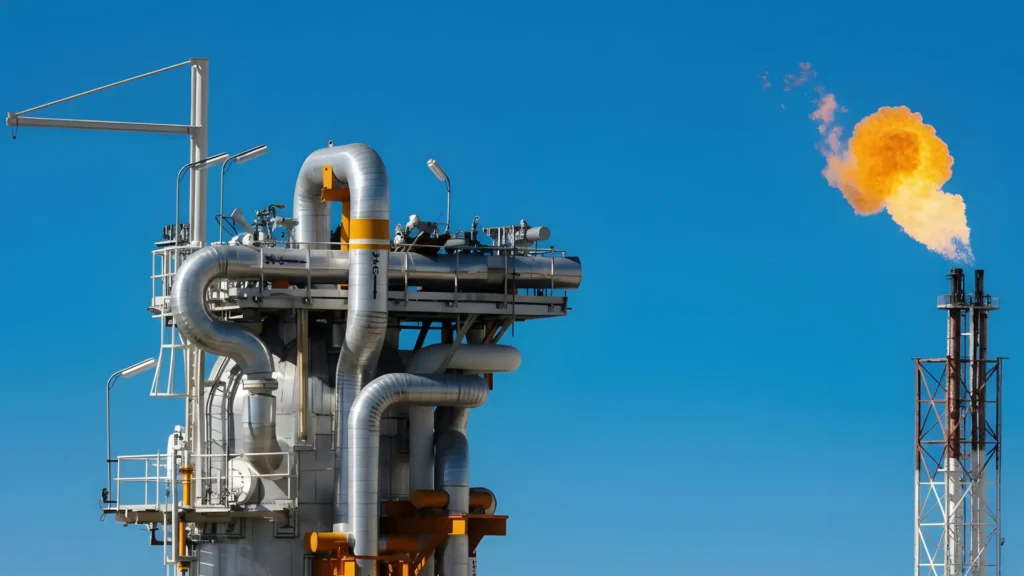
The buyback, funded partly with cash on hand and $6.5 billion in new debt, is expected to boost profits and improve credit ratings starting in 2027. Fab 34 produces Core Ultra chips for PCs and Xeon processors for servers using Intel 4 and Intel 3 technologies, and it marked the company’s first high-volume site with extreme ultraviolet lithography.
CFO David Zinsner put it plainly: “Today, we have a stronger balance sheet, improved financial discipline and an evolved business strategy.” Translation: We’re back in the driver’s seat, and this time we’re keeping the keys.
The plant’s focus is shifting too, with Intel now eyeing its next-gen 18A technology for potential external customers after keeping it mostly in-house.
In the end, this is less about nostalgia for full ownership and more about timing: sell low when times are tight, buy back when AI demand and discipline finally align. Even chip giants occasionally treat their factories like limited-edition sneakers—except these cost billions and actually make the future run faster.





Leave a Reply