
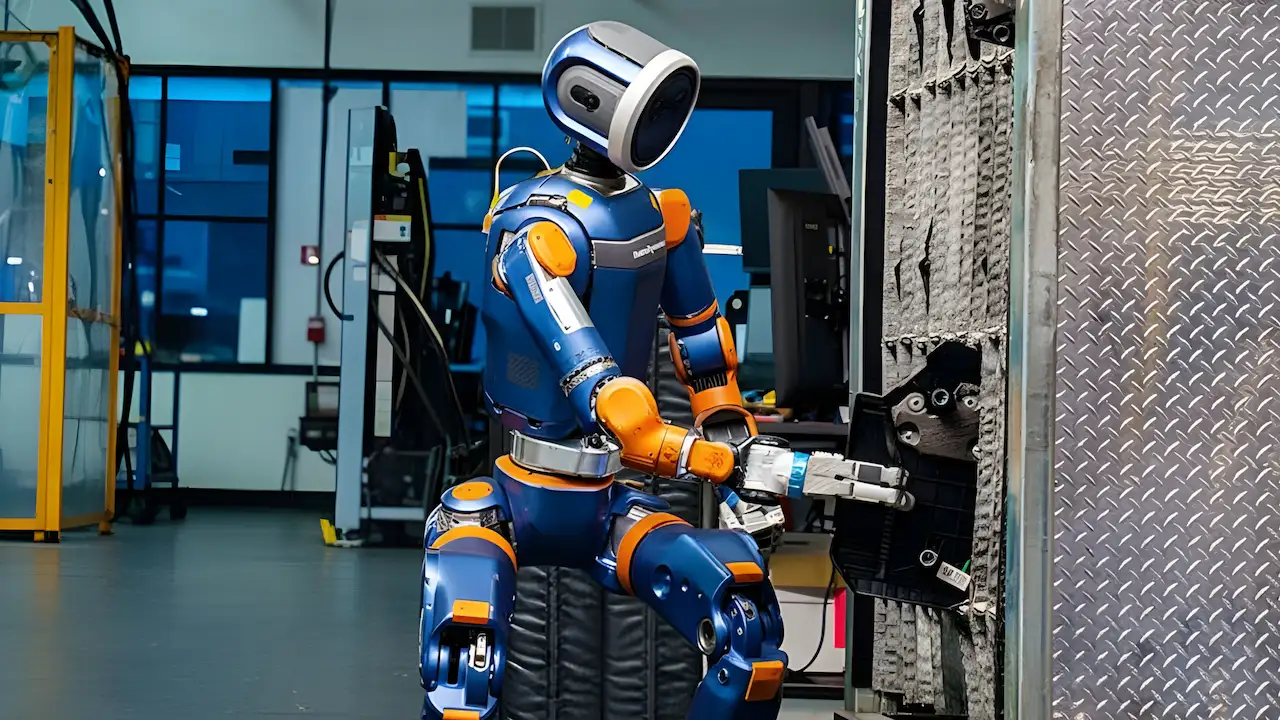
Hyundai Motor Group announced at CES 2026 its ambition to churn out up to 30,000 Atlas humanoid robots annually by 2028. Rather than selling them outright, the company is leaning heavily into a subscription-based service, turning robot ownership into yet another monthly bill.
The revelation spotlights how even cutting-edge robots are joining the subscription economy, promising convenience while ensuring steady revenue streams for corporations.
This subscription approach could reshape industrial automation, lowering barriers for companies to adopt advanced robots without massive upfront costs. Businesses gain from ongoing updates and maintenance, much like software services today.
Yet it adds another layer to the growing list of recurring charges in daily operations, potentially locking users into long-term commitments as robots become indispensable.
Hyundai, leveraging its majority ownership of Boston Dynamics, unveiled the production-ready version of the Atlas humanoid at CES.
The robot, known for its agile movements in viral videos, is set to debut in Hyundai’s own factories, starting with parts sequencing at the Georgia Metaplant in 2028.
By 2030, Atlas will tackle more demanding tasks like component assembly and heavy lifting. The company plans a full-scale production system capable of 30,000 units per year. Collaborations with Nvidia and Google DeepMind will boost the robots’ AI capabilities.
Hyundai positions this as harmonious human-robot collaboration, easing physical strains on workers. The real clever twist lies in the business model. Hyundai is expanding its Robotics-as-a-Service (RaaS) offerings.
Customers subscribe rather than purchase, gaining access to maintenance, software updates, hardware upgrades, and remote monitoring. This reduces initial expenses and improves cash flow, as Hyundai handles the ongoing care.
Real-world data from deployed robots feeds back to enhance performance. It’s a familiar pitch: convenience without the burden of full ownership. Companies avoid the headaches of repairs or obsolescence.
Just like renting an apartment sidesteps plumbing woes. Hyundai essentially becomes the landlord for your robot workforce. Recurring revenue provides predictability for the company. Customers might feel a subtle loyalty, akin to bulk-buying club members.
But convenience often comes with strings.
Once robots integrate deeply into operations, switching providers grows tricky. All that personalized data and learned habits stay with the service. Canceling could feel like moving out of a smart home that knows your every routine.
Proprietary tech already blurs ownership lines in cars and gadgets. Robots take it further, embedding themselves in workflows. Up-charges loom on the horizon: premium tiers for faster processing or extra features.
Factories might find robots too useful to let go. Hyundai competes directly with Tesla’s Optimus and others in this humanoid rush. Car makers’ assembly expertise gives them an edge in scaling production. The Georgia plant, building EVs like the Ioniq series, serves as the proving ground.
Safety and quality validation will guide gradual rollout. Human workers remain essential for oversight and training. This blend of ambition and pragmatism marks Hyundai’s entry into physical AI. Subscriptions ensure robots evolve continuously.
Customers pay for perpetual improvement. In a world where everything streams, why not your workforce?





Leave a Reply